Russian Troops Face Discipline Over Widespread Drug Use in Ukraine Conflict
March 12, 2026 • Al Jazeera
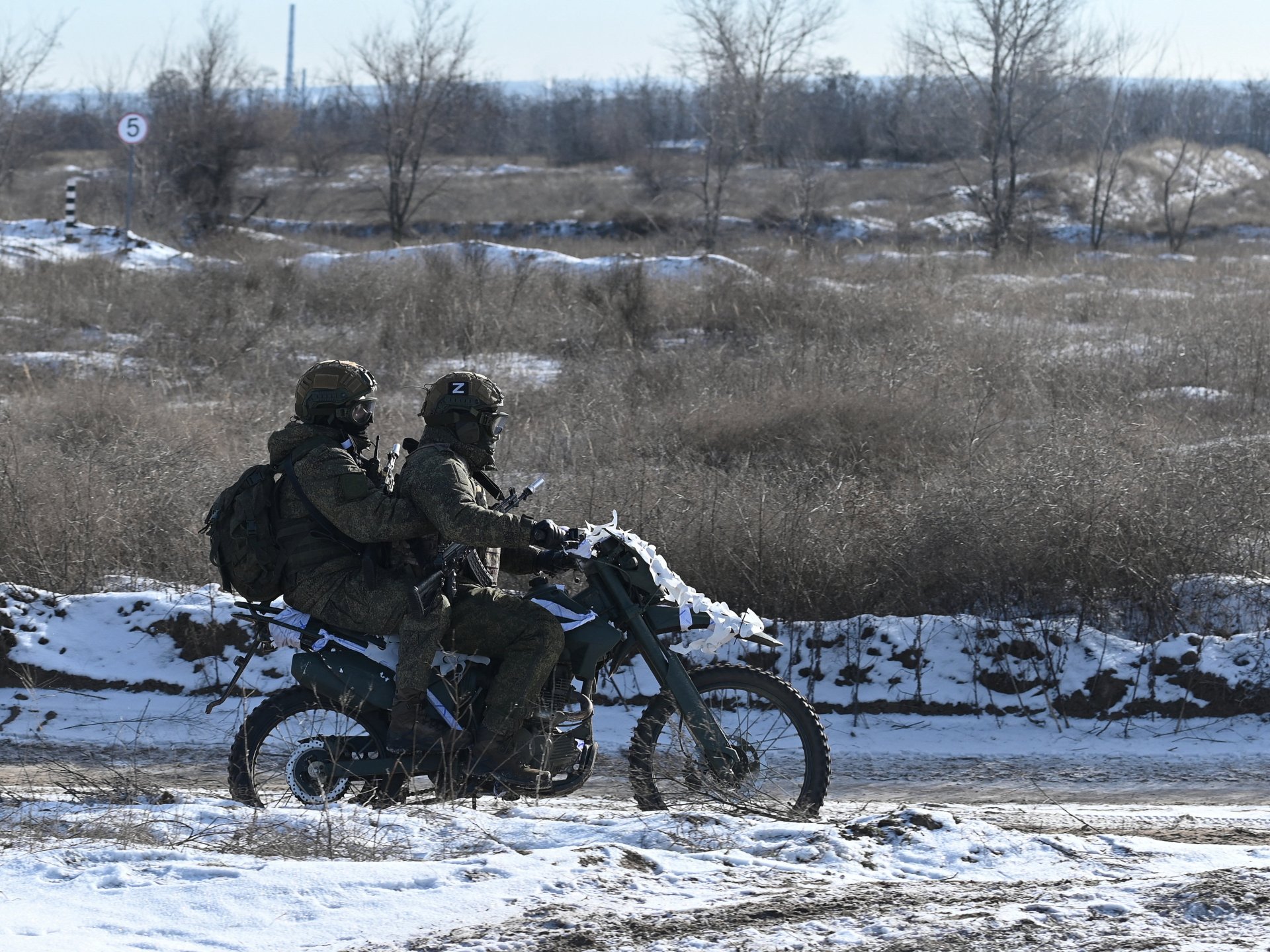
Russian Troops Affected by Substance Abuse Crisis Amid Ongoing War
A growing number of Russian servicemen have been struggling with substance abuse, according to reports from within the military and medical facilities. Alexander Medvedev*, a 38-year-old machine gunner in the Ural Battalion, has spoken out about the unprofessionalism he witnessed during his deployment in Ukraine. In early 2023, Medvedev’s squad leader died of an overdose while guarding an ammunition depot.
Medvedev claims that the officer’s body was dragged to the battle lines to be reported as killed in action, allegedly to avoid losing benefits for his family. An investigation by the military reportedly involved torturing a friend and fellow drug user, with some sources suggesting the victim’s face was pressed against a hot stove.
A psychiatric hospital in Novosibirsk has treated 133 Russian servicemen between 2022 and 2024, with 61% showing signs of mental ailments associated with substance use. A similar trend is observed among Ukrainian troops, according to an NGO survey. Thirty-eight percent of Ukrainian soldiers reported using amphetamines in the past three months, while two-thirds had smoked cannabis.
Medical marijuana or cannabis is legal in Ukraine, but the strains used by soldiers are significantly stronger than those prescribed at pharmacies. Experts attribute substance use to a range of factors, including stress and boredom during long deployments. The use of prescription medications like barbiturates and anti-anxiety drugs has become widespread among Russian troops, with some buying these substances in bulk to distribute within their units.
In Ukraine, opioid substitution therapy is legal but banned in the military, complicating life for soldiers on the program. The crisis highlights the challenges faced by both sides in addressing substance abuse during prolonged conflicts.
Source: Al Jazeera