Senator Rubio says Strait of Hormuz will reopen eventually
March 30, 2026 • Al Jazeera
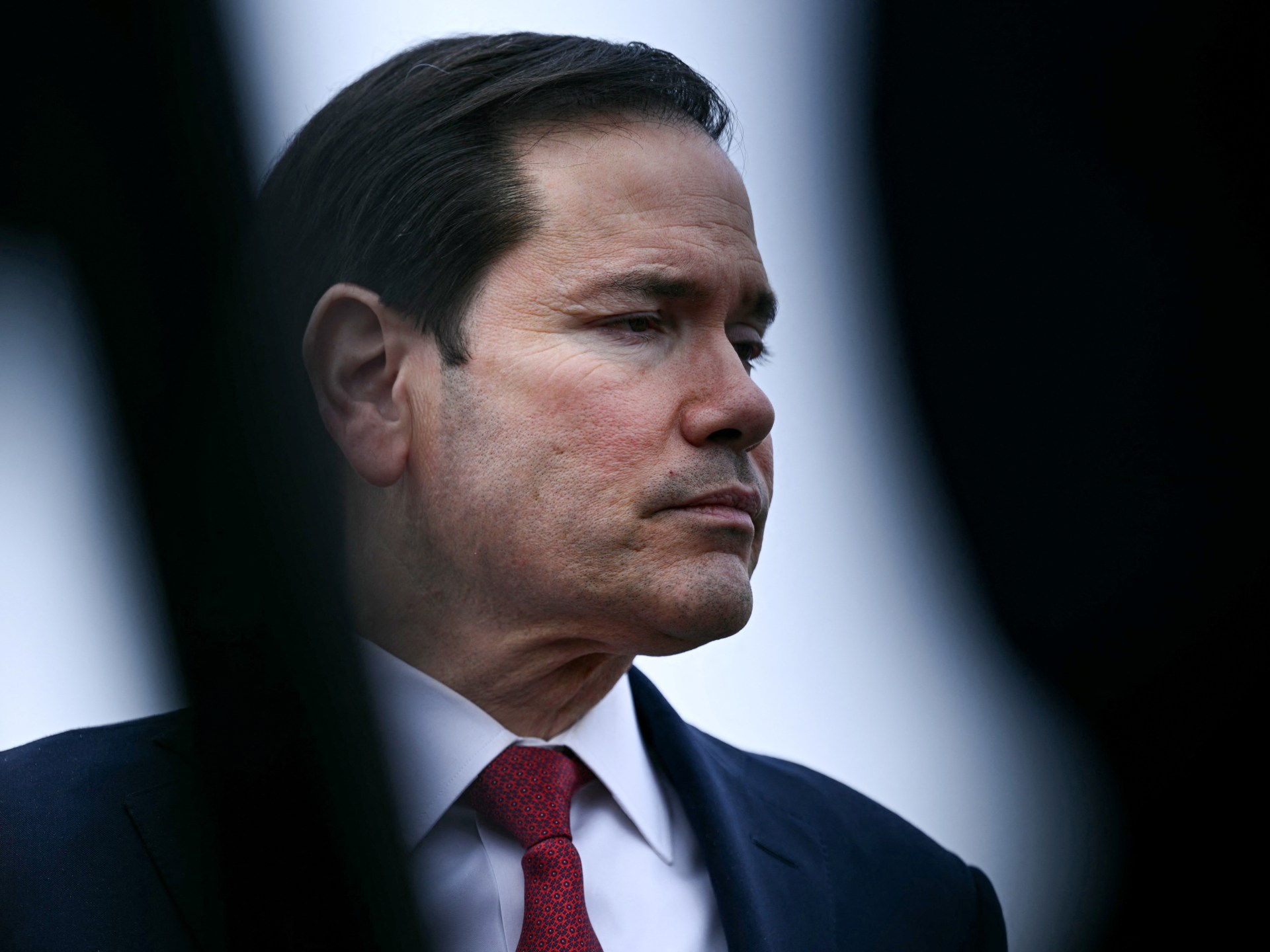
US Secretary of State Marco Rubio has stated that the Strait of Hormuz will eventually reopen, following the ongoing conflict between the US and Iran. In an exclusive interview with Al Jazeera on Monday, Rubio expressed optimism about the situation, stating that “the strait will reopen one way or another” once the military operation in Iran is complete.
Rubio also reiterated that there are ongoing direct talks between the US and Iran, primarily conducted through intermediaries. However, Iran has denied these claims. Pakistan announced plans to host direct talks with Iran in the coming days to facilitate a comprehensive settlement of the conflict.
The Trump administration had previously pursued indirect talks with Iran to curb its nuclear program. Rubio emphasized the need for concrete steps from Iran to end its nuclear program and stop manufacturing drones and missiles. He also accused Iran of seeking nuclear weapons to threaten and blackmail the world, a claim that Tehran has consistently denied.
Regarding the US troop deployment in Iran, White House press secretary Karoline Leavitt stated that the Pentagon is making preparations for maximum optionality, without confirming or denying reports of a special forces operation to seize enriched uranium. Military experts have warned that airstrikes alone would not be sufficient to destroy Iran’s nuclear capacity.
Rubio also called on Iran to cease sponsoring terrorism and halt the production of weapons threatening its neighbors. He noted that Iran’s short-range missiles are primarily used to attack neighboring countries, including Saudi Arabia, the UAE, Qatar, Kuwait, and Bahrain. The US has threatened severe consequences if Iran closes the Strait of Hormuz after the conflict ends.
The situation remains fluid, with ongoing speculation about a possible US troop deployment in Iran and the effective closure of the strait continuing to impact global oil markets.
Source: Al Jazeera