Separating fact from fiction in the Russia economic conflict
February 24, 2026 • Al Jazeera
Moscow’s Economic Situation After Four Years of War
The economic impact of Russia’s full-scale invasion of Ukraine has been significant, with the World Bank estimating that reconstruction costs would be approximately $588 billion, nearly three times Ukraine’s GDP. This estimate highlights the substantial cost borne by Ukraine.
Concurrently, the economic war between Russia and the West continues, albeit in a different form. The geo-economic battleground has shifted significantly over the past year, making it essential to understand the current state of affairs.
Three myths surrounding Russia’s economic situation need to be addressed: (1) that the economic cost is manageable; (2) that the US has lost interest in fighting the economic war against Russia; and (3) that Western capabilities are unaffected by sanctions.
Russia’s loss of its largest gas export market, Europe, has been particularly devastating. The country now sells approximately 38 billion cubic meters of gas to the EU annually, down from 150 billion cubic meters before the invasion. This reduction in sales results in significant losses for Russia, estimated at around $40 billion annually.
Additionally, Russian sovereign assets worth approximately $335 billion remain frozen worldwide, and the Kremlin acknowledges that a large portion of these will never be recovered. The National Wealth Fund is also running dry, with withdrawals at a record pace, potentially depleting it by year’s end if oil prices do not increase.
The only area of the economy performing well is connected to military and defense production. However, sustained high borrowing costs and declining employable Russians due to war losses and recruitment continue to bleed the Russian economy.
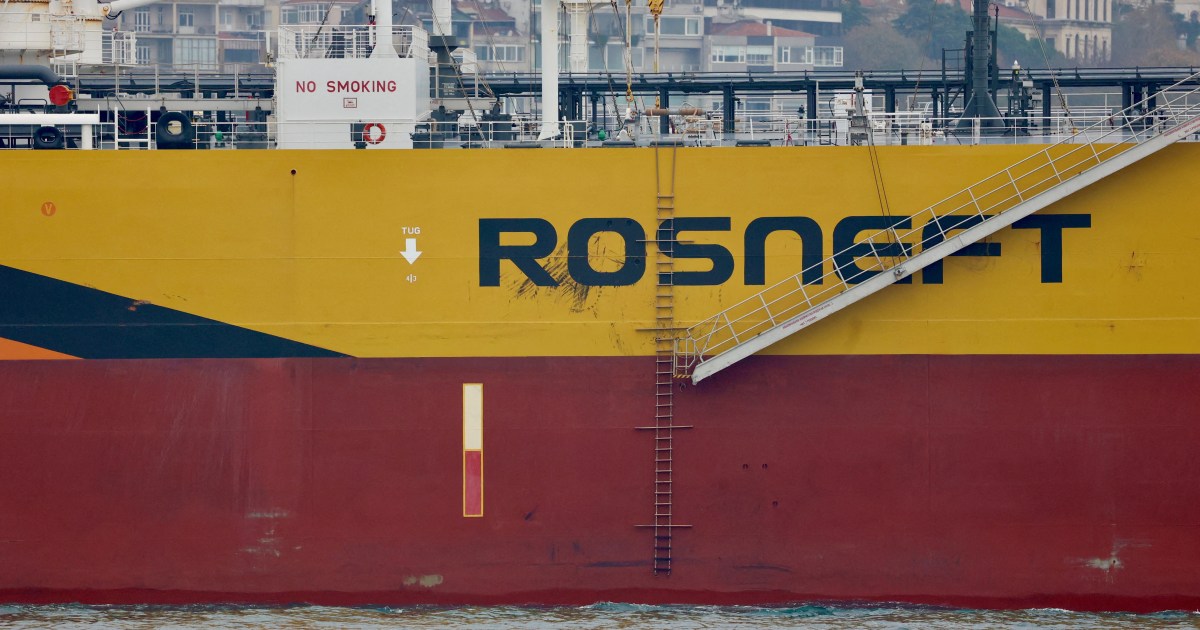
It is essential to note that the US maintains sanctions against Russia despite President Trump’s offers for cooperation. The restrictions on Russia’s two largest oil companies have begun to disrupt the Kremlin’s ability to place barrels on global markets, particularly in Asia.
Source: Al Jazeera