Somalia sees sharp increase in preventable malnutrition and disease cases
January 20, 2026 • Al Jazeera
Somalia Faces Growing Health Crisis Amid Drought and Conflict
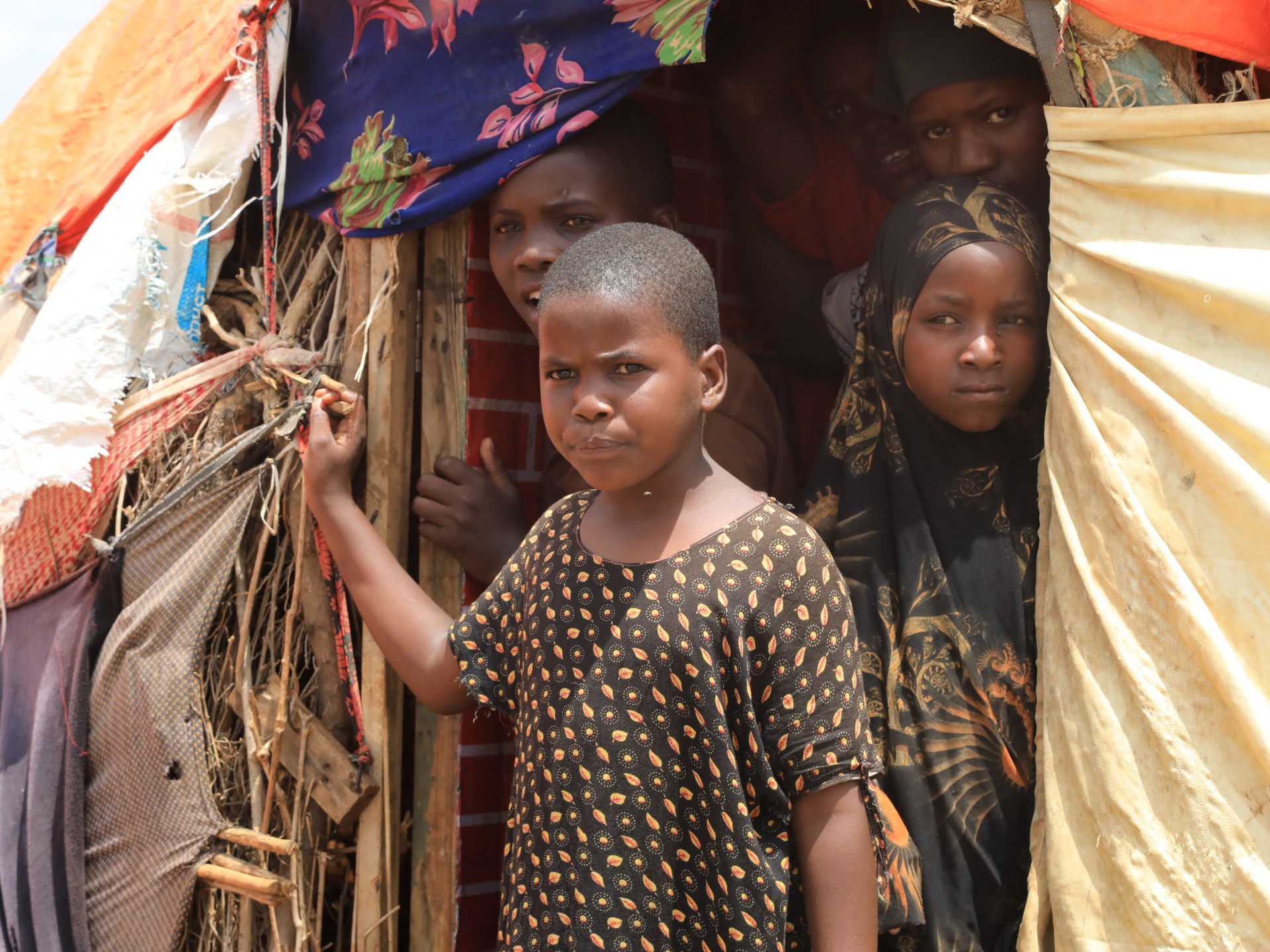
Aid workers at Doctors Without Borders (MSF) have reported a significant increase in the number of severely malnourished or seriously ill children arriving at displacement camps in Somalia. The organization’s teams have witnessed a worrying trend of increasing numbers of children suffering from severe acute malnutrition, measles, diphtheria, and acute watery diarrhoea.
According to MSF, the East African nation is facing a deepening health and nutrition emergency due to consecutive failed rainy seasons, soaring water prices, and sharp cuts in humanitarian aid. The organization’s project coordinator, Allara Ali, stated that children are arriving at hospitals in critical condition, often after traveling for days without food or water.
The Somali government declared a drought emergency in November, but aid agencies have expressed concerns that the response has been inadequate, with funding reaching its lowest level in a decade. MSF reported that more than 200 health and nutrition facilities have closed nationwide, while food assistance has dropped from serving 1.1 million people per month to 350,000.
In Baidoa, MSF recorded a 48 percent increase in admissions for severe acute malnutrition in October compared to the previous month. The organization also reported that 189 children were treated for suspected measles, with 95 percent of them having never been vaccinated. In Mudug, admissions to inpatient therapeutic feeding centers rose by 35 percent.
The cost of water has surged beyond the reach of many families, with a 200-liter barrel selling for $2.50 to $4 in Baidoa and Mudug. MSF launched emergency water trucking in Baidoa in December, delivering over 6 million liters of safe drinking water to 17 sites by mid-January.
MSF is urging donors and authorities to scale up nutrition programs, vaccination campaigns, and water services to address the crisis. The organization’s country representative, Elshafie Mohamed, stated that the current humanitarian response is leaving millions without access to basic healthcare, food, or water.
Source: Al Jazeera