South Yemens independence seems increasingly unlikely after recent setbacks
January 8, 2026 • Al Jazeera
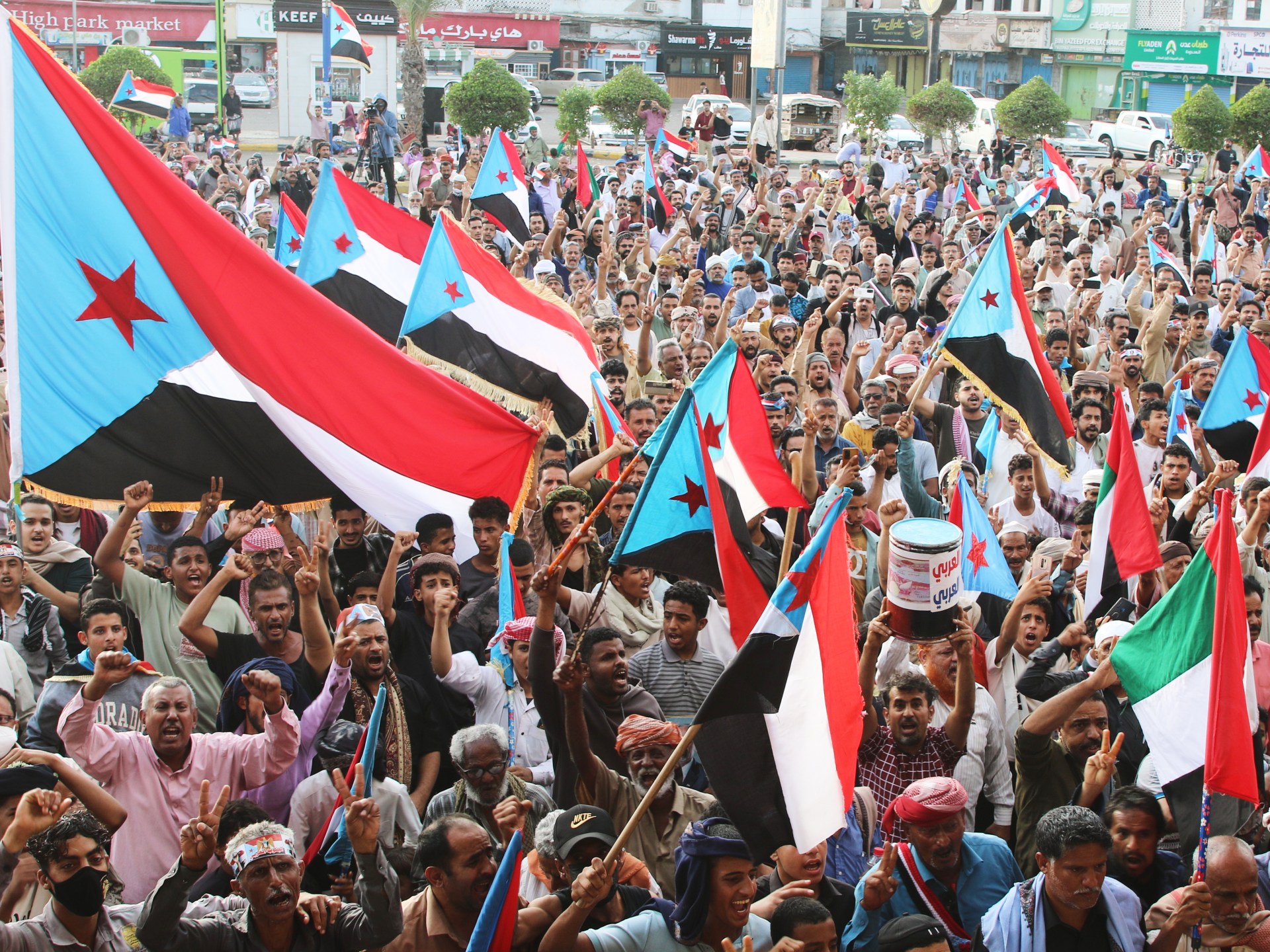
Southern Yemen’s STC Loses Control Amid Saudi Intervention
A group known as the Southern Transitional Council (STC), backed by the United Arab Emirates, had gained significant control over southern Yemen since its formation in May 2017. The STC’s leader, Aidarous al-Zubaidi, had expressed support for a two-state solution at the UN General Assembly in September. However, his recent move to push STC forces into eastern governorates of Hadhramout and al-Mahra has led to Saudi intervention.
As a result, STC forces are now on the run, and those loyal to the Yemeni government have taken control of most southern regions. Many allies of al-Zubaidi have switched sides, and the UAE appears to be accepting Saudi Arabia’s role as the primary foreign actor in Yemen.
The situation has shifted significantly since 2019, when STC forces fought alongside the Yemeni government against Houthi rebels in Aden and other areas. The STC emerged victorious, forcing the government out of Aden. However, momentum has since been lost, with the STC’s control over southern Yemen being reduced.
The Yemeni government, backed by Saudi Arabia, is now attempting to reorganize anti-Houthi military forces into a unified force under its umbrella. A conference on the “southern issue” is planned in Riyadh, focusing on regional representation and addressing the disenfranchisement of southern Yemen since the 1994 north-south civil war.
While support for secession remains strong in some governorates, such as Al-Dhale, where al-Zubaidi hails from, a federal republic with strong regional representation appears to be gaining consensus. The ultimate goal of hardline southerners is now off the table, and the Yemeni government sees an opportunity to advance against Houthi rebels in the northwest.
Source: Al Jazeera