Southeast Asia imposes strict measures amid escalating oil crisis
March 12, 2026 • Al Jazeera
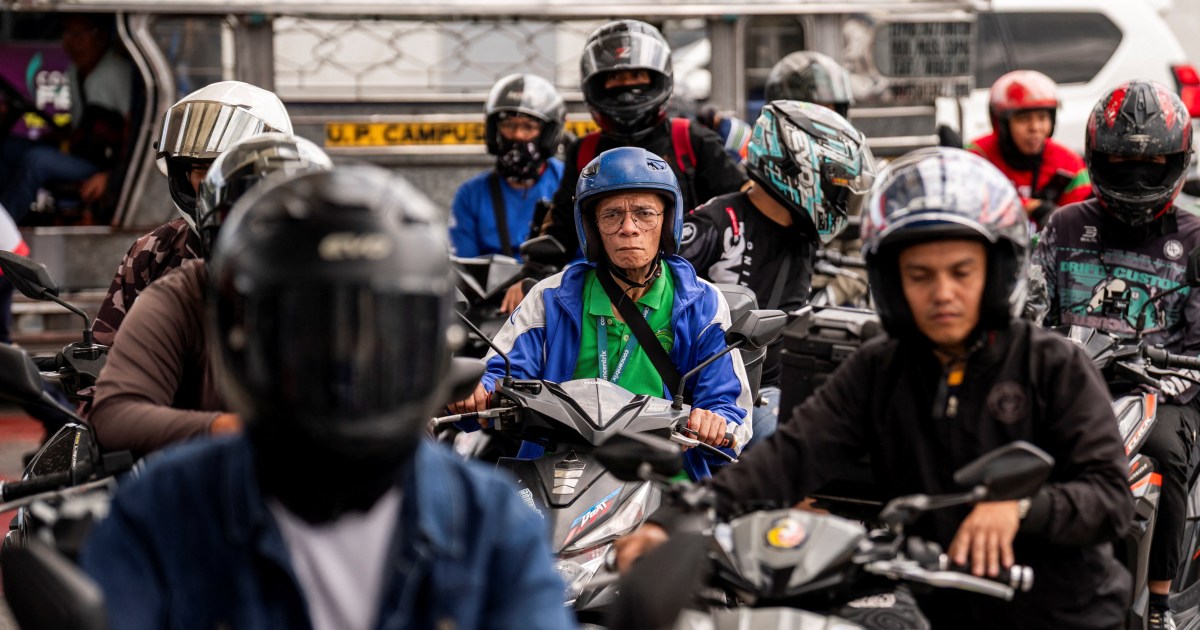
Southeast Asian Countries Take Precautions Amid Strait of Hormuz Closure
Governments in Indonesia and Vietnam, among other countries in Southeast Asia, are implementing measures to mitigate potential energy shortages due to the ongoing closure of the Strait of Hormuz. The region’s reliance on imported oil and gas has left it vulnerable to disruptions in global supply chains.
In response, officials in Thailand have encouraged employees to work from home and limit travel, while Myanmar’s government has imposed alternating driving days. In the Philippines, government offices are operating on a four-day work week. Thai Prime Minister Anutin Charnvirakul has also announced a temporary price cap on diesel fuel.
Vietnam has tapped into its fuel price stabilisation fund to address potential shortages. The measures aim to manage supply situations before they become critical. Priyanka Kishore, director and principal economist at Asia Decoded in Singapore, stated that governments are taking proactive steps to prepare for the impact of the Strait’s closure.
According to data from the US Energy Information Administration, 84 percent of crude oil passing through the Strait in 2024 was bound for Asia. The region’s economies, particularly those of the Philippines, Thailand, Malaysia, and Brunei, rely heavily on imported oil, with imports accounting for 60-95 percent of their crude supply.
Indonesia, despite being an oil-producing nation, relies on imports for more than one-third of its crude. Vietnam has announced plans to procure additional crude oil from non-Middle Eastern countries, which would be equivalent to just six days of consumption. The country’s reserves are estimated to last 20 days, but experts warn that this may not be sufficient to avoid fuel shortages.
Southeast Asian countries’ emergency stockpiles are limited compared to those in northeast Asia. Japan holds reserves for 254 days, while South Korea and China have stockpiles to last about 208 and 120 days, respectively. Experts note that replacing disrupted supplies is challenging due to refinery configurations, operational risks, and shipping distances and costs.
The measures taken by Southeast Asian countries aim to mitigate the impact of the Strait’s closure on their energy supplies.
Source: Al Jazeera