Strategic oil release to ease market tensions amid Hormuz disruption concerns
March 15, 2026 • Al Jazeera
Here is a rewritten version of the article in a neutral newsroom style:
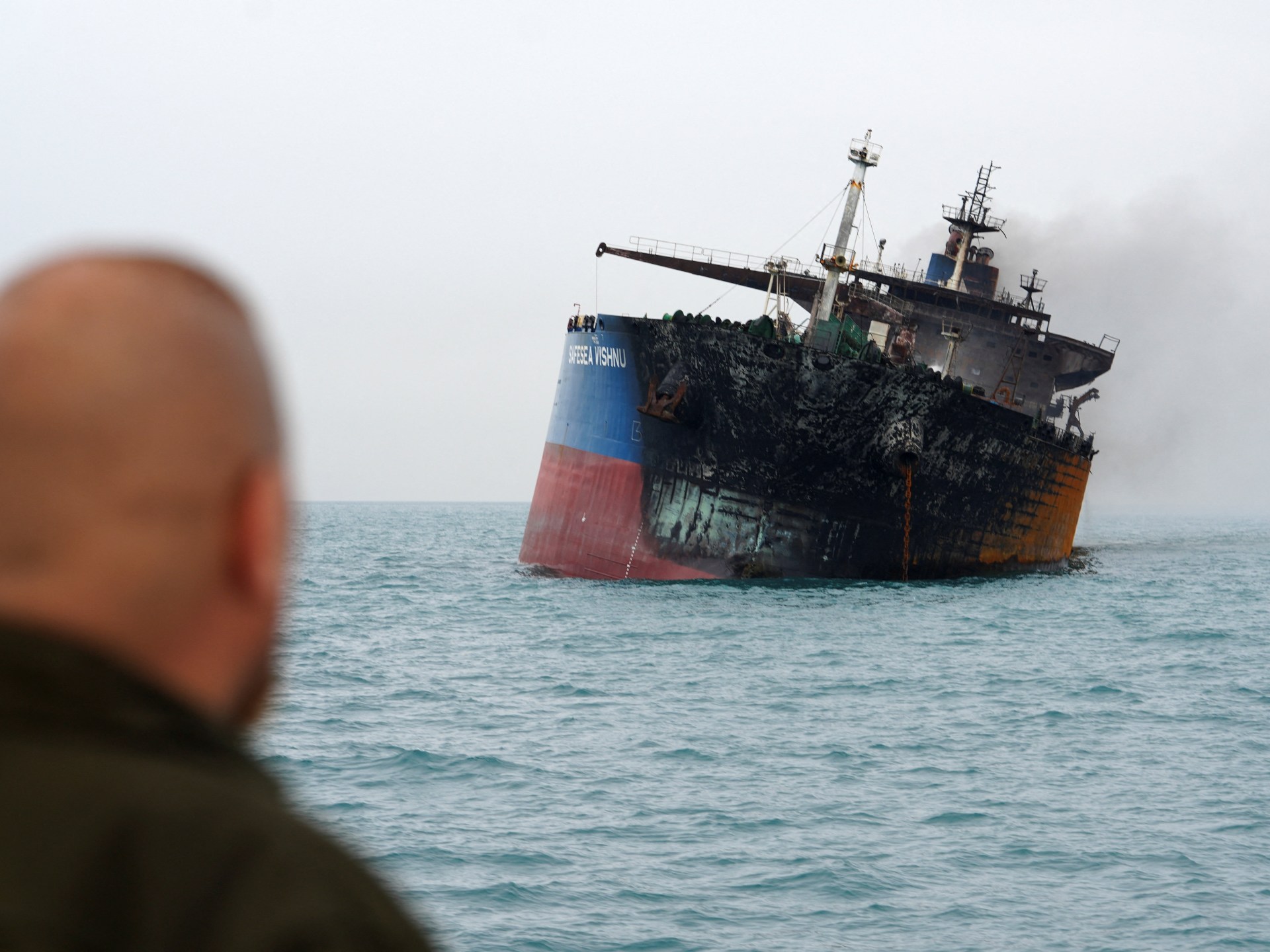
The International Energy Agency (IEA) has announced a record oil release of 400 million barrels from emergency reserves. The move aims to cushion the impact of disruptions in global energy supplies, particularly in the Strait of Hormuz, which has seen significant reductions in tanker traffic since attacks on Iran’s territory.
According to the IEA, oil shipments through the Strait have fallen to less than 10% of pre-war levels, posing a threat to one of the world’s most critical energy arteries. The agency’s emergency reserves hold approximately 1.25 billion barrels, with an additional 600 million barrels in industry stocks tied to government obligations.
The IEA’s decision comes as global energy demand is expected to average 105.17 million barrels per day in 2026. However, the released oil would theoretically only cover four days of global consumption at current rates.
Energy experts have expressed concerns that emergency reserves can provide temporary relief but cannot replace the lost function of a disrupted shipping corridor. “The release may soften the shock and calm nerves temporarily,” said energy strategist Naif Aldandeni. “But it will remain limited as long as the fundamental problem – the freedom of supply and tanker movement through Hormuz – remains unresolved.”
Oil prices have surged to nearly $100 per barrel, driven in part by fears of disrupted production and shipping. The closure of the Strait of Hormuz has added a significant geopolitical risk premium to oil prices, with some experts attributing the price surge to around $40 per barrel.
The latest escalation in tensions has deepened concerns about supply shortages and delays in deliveries to refineries and consumers. Recent projections suggest global demand remains close to 105 million barrels per day, driven more by fears of supply disruptions than declining consumption.
Source: Al Jazeera