Sudans Crisis Situation Far More Severe Than Publicly Acknowledged
May 12, 2026 • Al Jazeera
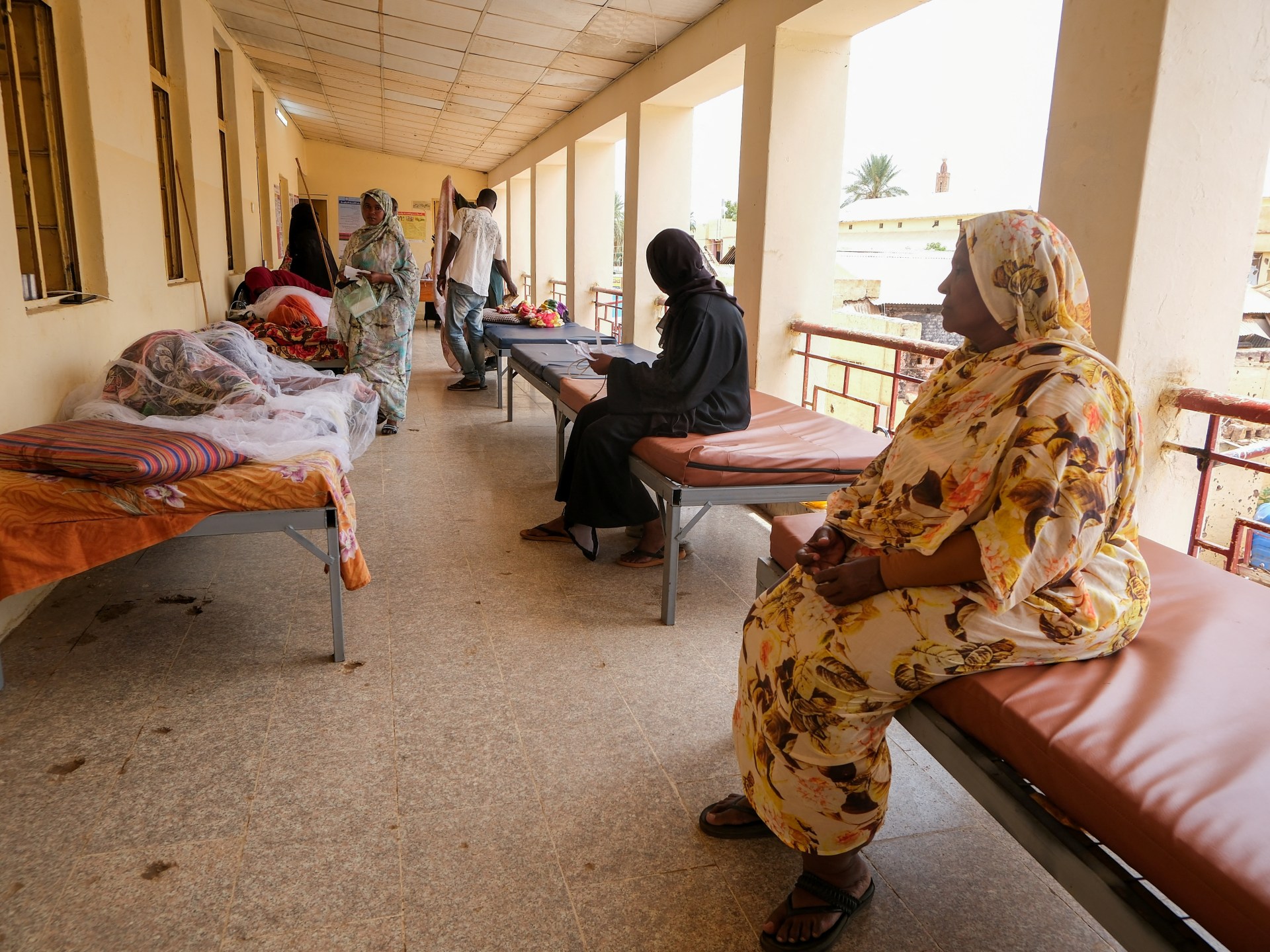
Khartoum, Sudan - The humanitarian situation in the capital city remains dire despite an end to fighting. A recent visit revealed widespread destruction and a significant decline in population numbers. Buildings that once housed 7 million people now stand as empty shells, with many destroyed or partially flattened by shelling and air attacks.
According to Islamic Relief, more than 58,000 recorded deaths have occurred so far, but estimates suggest up to 150,000 may have been killed. The lack of infrastructure and displacement of millions make it challenging to track casualty numbers accurately. In addition to violence, people are dying from disease and starvation due to the war’s impact on food supplies.
Repeated outbreaks of infectious diseases such as cholera, viral hepatitis, and meningitis have affected the population. The conflict has created a severe hunger crisis, with 29 million people, or 62% of the population, facing food shortages. Famine continues to spread, and local community kitchens run by volunteers are struggling to meet demand.
Islamic Relief’s research found that 42% of the country’s community kitchens have closed in the past six months due to funding and supply issues. The recent escalation of tensions between the US and Israel has further exacerbated the situation, leading to increased food and fuel prices and pushing more families into hunger.
In western regions of Darfur and Kordofan, people continue to flee from horrific atrocities, including drone attacks on hospitals and schools, towns under siege, and villages burned down. Aid convoys have also been bombed, putting aid workers at risk.
Despite improvements in security and the return of displaced families to their communities, the situation remains dire. At least 1.3 million people have returned to Khartoum, only to find severe food shortages, limited job opportunities, and inadequate service provision. Poverty is widespread, with many schools out of operation due to destruction or displacement.
Islamic Relief teams are working to rebuild schools and health facilities, providing psychosocial support to survivors of trauma. However, the scale of need remains immense, and it will be challenging to meet the demands of those affected by the conflict.
Source: Al Jazeera