Supreme Court Ruling Raises Questions About Trumps Ability to Impose Tariffs
February 20, 2026 • Al Jazeera
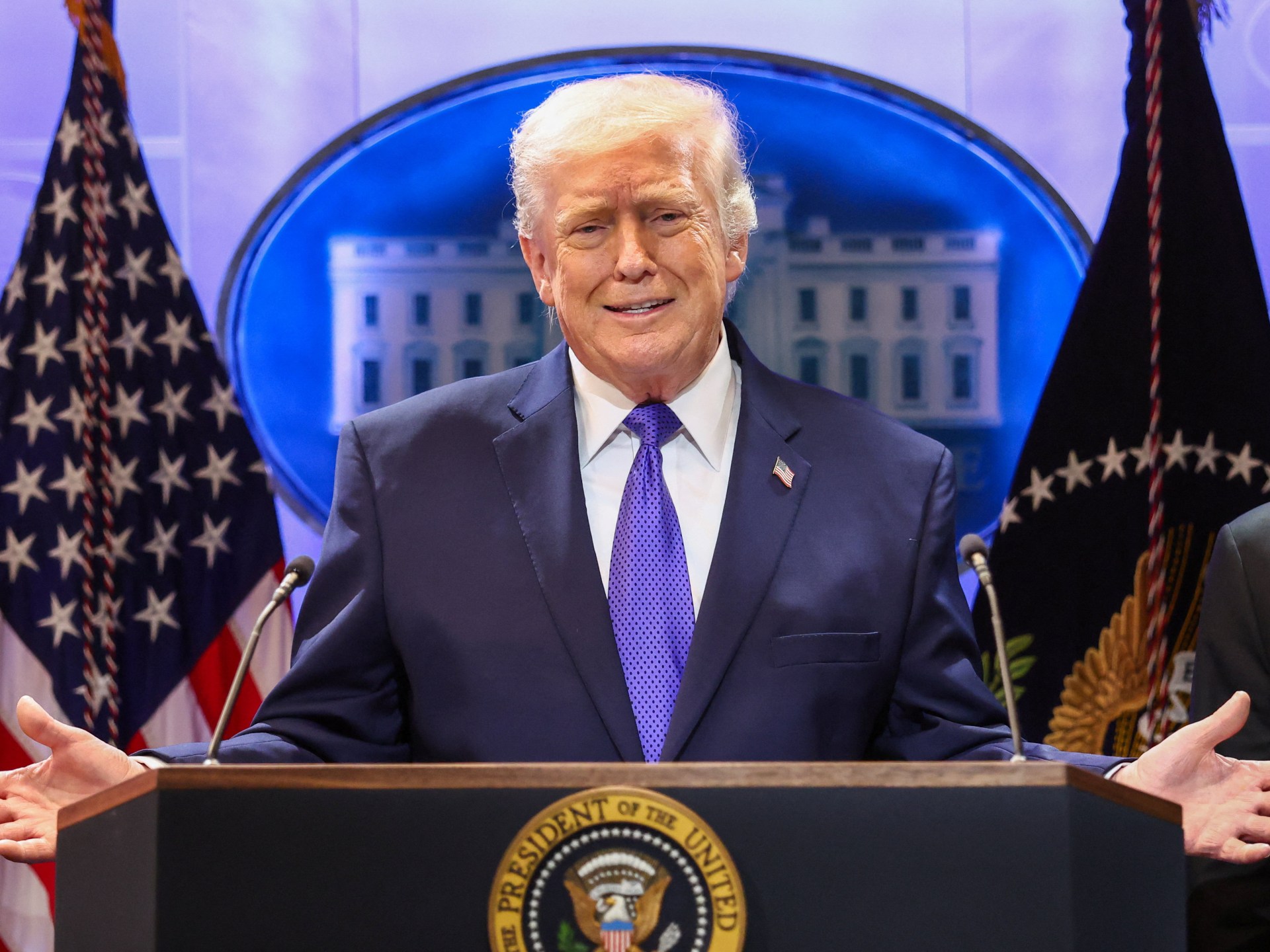
US Supreme Court Rules on Global Tariffs Policy
The US Supreme Court has issued a ruling in a case challenging President Donald Trump’s global tariff policy. The court’s 6-3 decision, written by Chief Justice John Roberts, found that the president exceeded his authority under a 1977 law to impose tariffs.
The court remanded the case to the US Court of International Trade (CIT) to oversee a refund process. In its decision, the justices determined that the International Emergency Economic Powers Act (IEEPA) does not grant the president the power to unilaterally impose sweeping tariffs.
According to the ruling, the 1977 law was designed to allow presidents to respond to specific national emergencies, such as freezing assets or blocking transactions. However, the court concluded that using IEEPA in this way went beyond the authority Congress intended to grant.
The decision means that President Trump’s global tariff policy is no longer valid. The court’s ruling does not necessarily foreclose the president from imposing tariffs under other statutory authorities.
The case marks a significant challenge to President Trump’s policy agenda, as it is the first major test of his administration’s trade policies before the court he reshaped with the appointment of three conservative justices during his first term.
The US president has called the ruling “a disgrace.” The court’s decision is likely to trigger a prolonged legal battle over whether companies will be refunded for tariffs already collected under the emergency declarations.
Source: Al Jazeera