Syrias Oil Sector Faces Significant Challenges in Recovery Efforts
January 20, 2026 • Al Jazeera
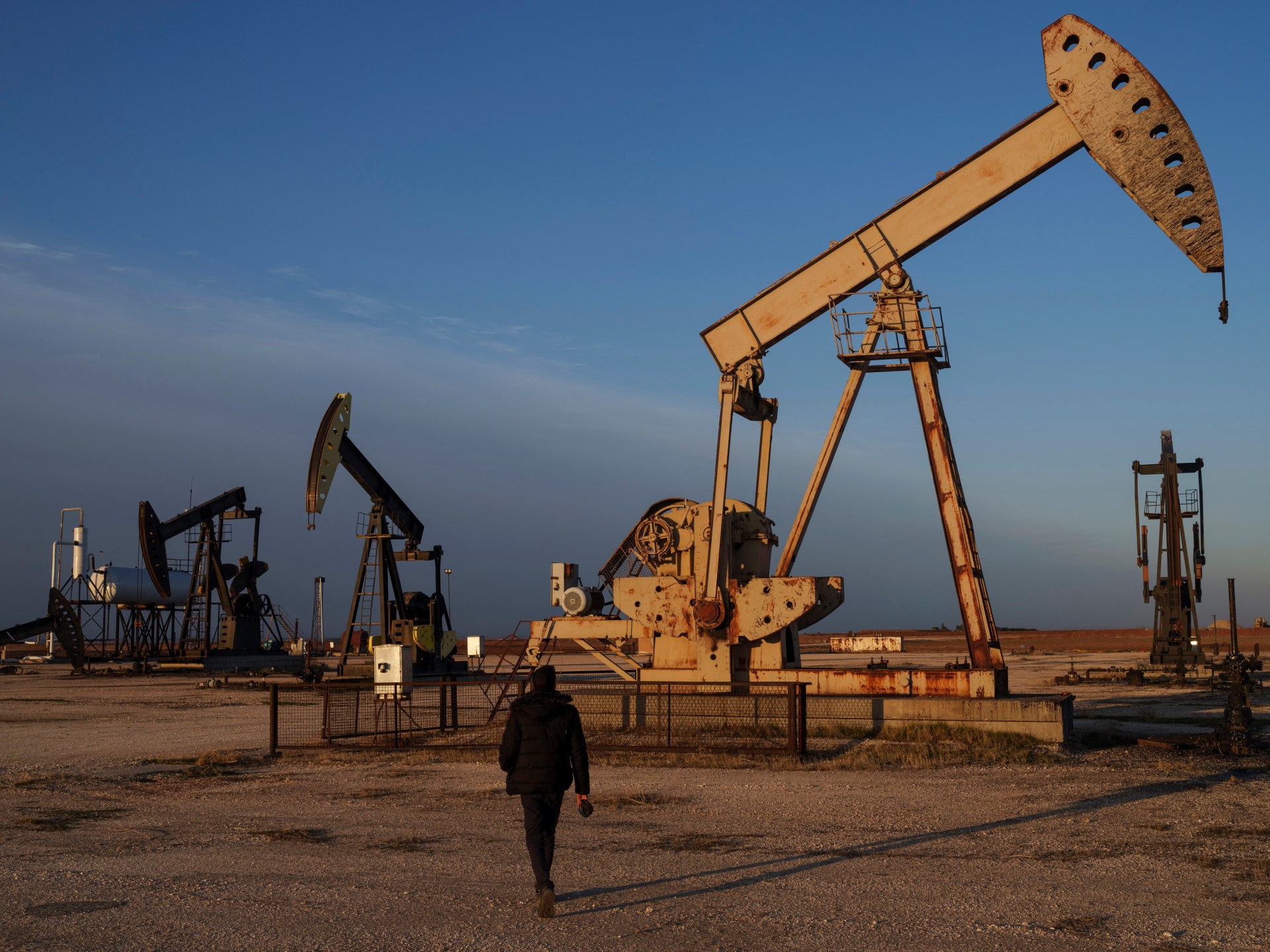
Syrian Government Regains Control of Key Oil and Gas Fields
The Syrian government has announced the takeover of several key oil and gas fields from the Kurdish-led Syrian Democratic Forces (SDF), sparking hopes for a revival of the country’s energy sector. The SDF had agreed to relinquish control of Deir Az Zor, Raqqa, and Hasakah governorates as part of a ceasefire deal.
The government forces have taken control of al-Omar, Syria’s largest oilfield, and the Conoco gas complex in the north and northeast. This development marks a significant moment for Syria’s war-battered economy, which has been heavily reliant on international sanctions.
Industry experts note that while the return of energy reserves to government control is a positive step, it will be a gradual process due to damaged infrastructure and chronic underinvestment. Oil reservoirs have suffered from unregulated extraction and equipment damage, requiring extensive rehabilitation. Gas production is considered a more feasible early recovery priority due to its lower capital requirements.
Syria possesses an estimated 2.5 billion barrels of oil and 8.5 trillion cubic feet of natural gas. The country’s energy sector has been in disarray since the outbreak of war in 2011, with production declining significantly over the years.
The lifting of most sanctions on Syria by the US, European Union, and United Kingdom in December 2024 has raised the prospect of investment from foreign companies. A joint venture between the state-run Syrian Petroleum Company (SPC) and several international energy firms was previously Syria’s largest oil producer.
The SPC has signed preliminary agreements with foreign energy firms, including ConocoPhillips, TotalEnergies, Gulfsands Petroleum, Sinochem, and Suncor Energy. However, the extent of these agreements remains unclear, and it is too early to determine their impact on the country’s energy sector.
Source: Al Jazeera