Tehrans Government Issues New Guidelines for Media Coverage
April 24, 2026 • Al Jazeera
Here is a rewritten version of the article in a neutral newsroom style:
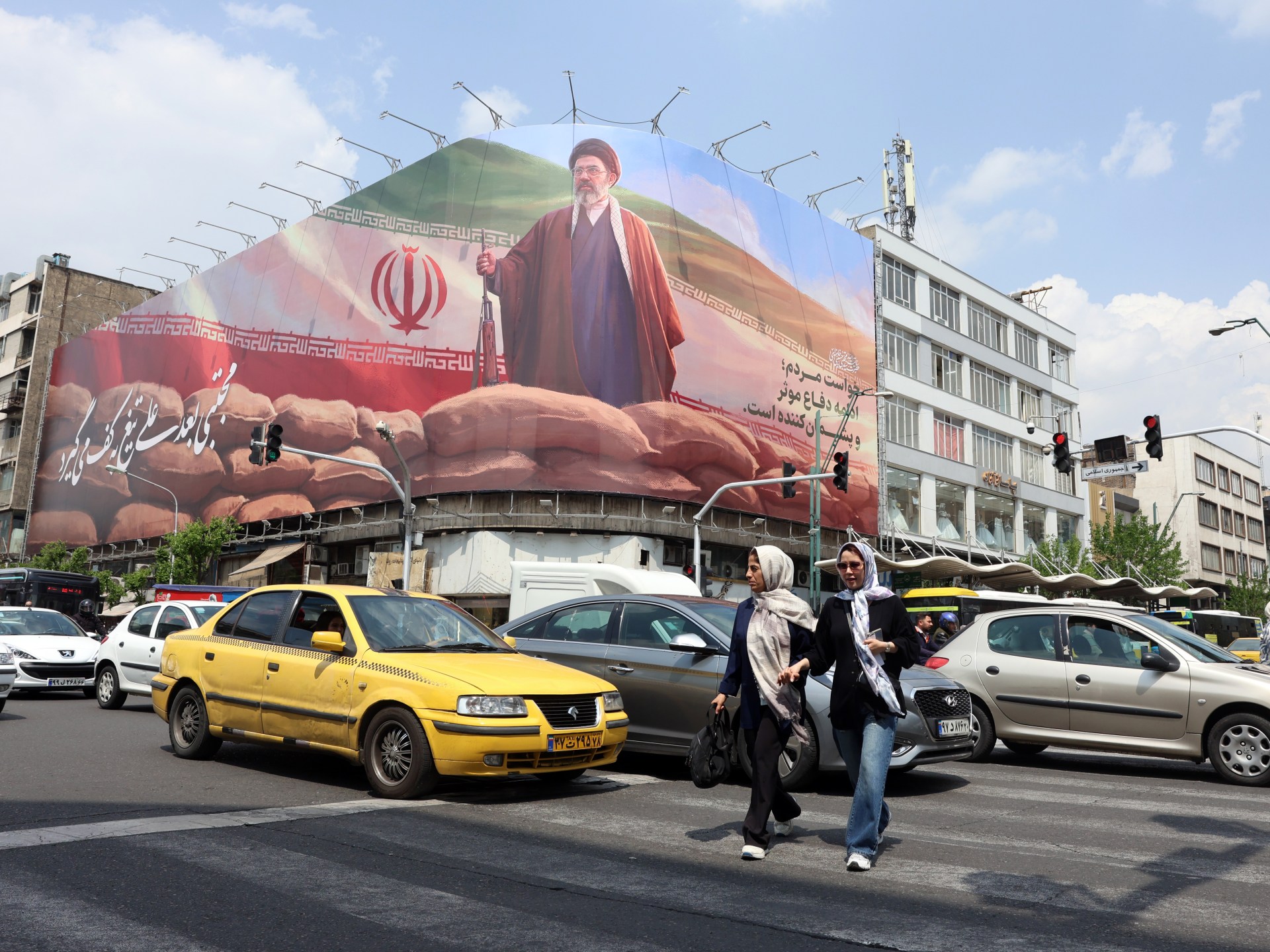
The New York Times published an in-depth report this week on Iran’s new leadership structure, based on interviews with over 20 Iranian officials, former officials, Revolutionary Guard members, and individuals close to the supreme leader. The piece provides a detailed account of Ayatollah Mojtaba Khamenei’s condition, describing him as gravely wounded, communicating via handwritten notes passed through a motorcycle courier chain.
According to unnamed sources, Khamenei is mentally sharp but has injuries that make speaking difficult, and he deliberately avoids video appearances due to concerns about appearing weak. However, the article does not provide any independent verification of these claims or include photographs or medical records.
The report also states that power has shifted to an entrenched military faction within Iran’s government, with the influence of clerics waning. This framing is presented as a shift in Iranian politics, but some experts argue that this narrative oversimplifies the country’s history and ignores the significant role played by the Revolutionary Guard Corps (IRGC) under Ayatollah Ali Khamenei.
Khamenei led Iran for 35 years, advancing its nuclear program, building ballistic missile and drone capabilities, and establishing a network of proxies across the region. His regime has been responsible for numerous human rights abuses, including the execution of protesters in 2009 and the crackdown on the Green Movement.
The article’s framing of the current situation as a shift from clerical moderation to military hardline is disputed by some experts, who argue that this narrative distorts Iran’s history. Others point out that the US decision to take unprecedented military action against the regime may have created an opportunity for pragmatists within the Iranian system to negotiate with Western powers.
The article does not provide a clear assessment of the likelihood of a real deal materializing between the US and Iran, but it highlights the need for policymakers and analysts to consider the complexities of the situation.
Source: Al Jazeera