Trump-backed SAVE America Act explained in context of US election
April 15, 2026 • Al Jazeera
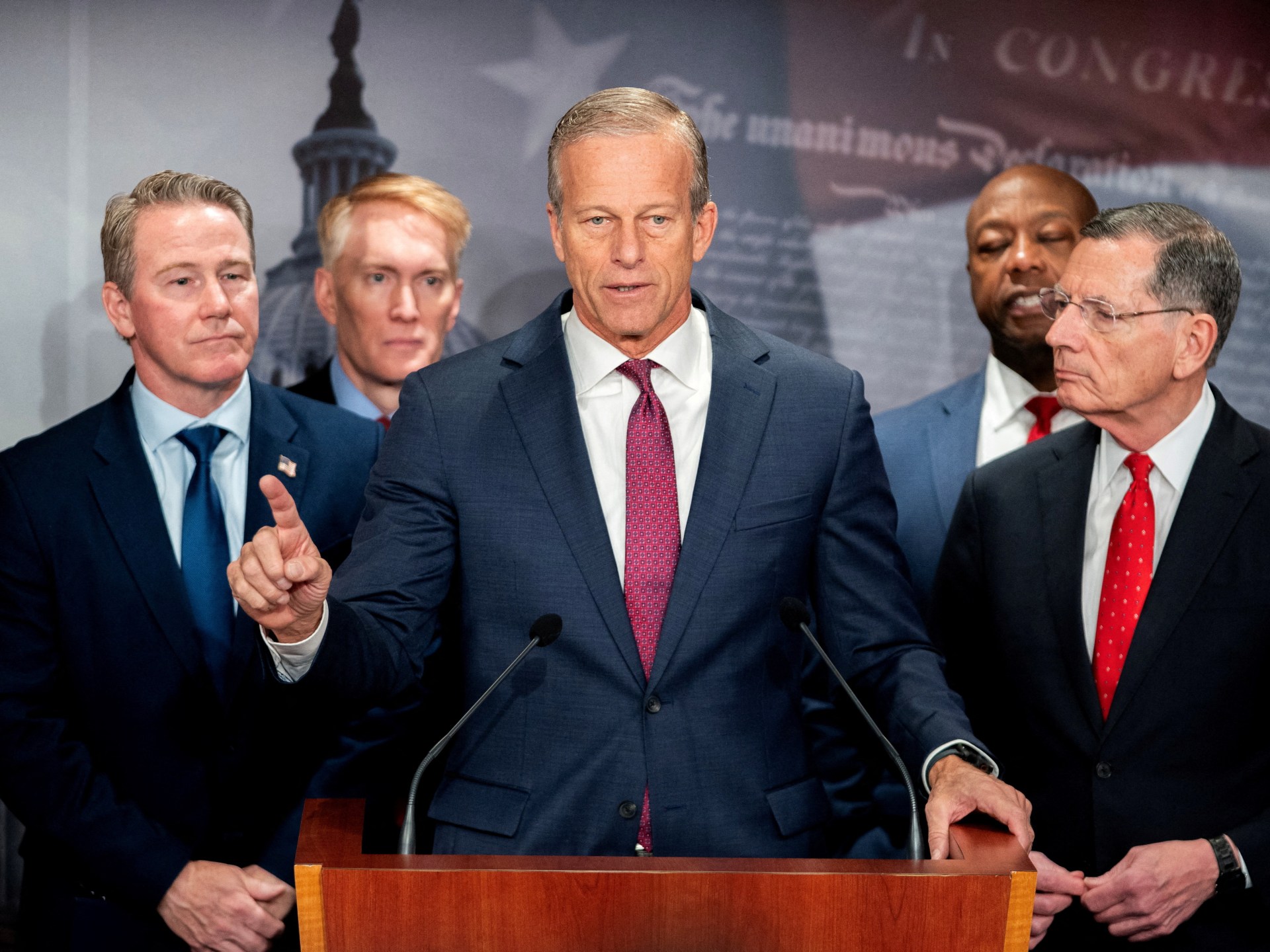
US Senate Continues Debate on Controversial Voting Bill
The US Senate has resumed debate on the Safeguard American Voter Eligibility (SAVE) America Act, a proposed law that would require voters to provide proof of citizenship when registering to vote and casting a ballot. The bill is supported by Republicans, who hold 53 seats in the Senate, but faces opposition from Democrats.
President Donald Trump has expressed his support for the legislation, stating it as his top priority ahead of the midterm elections in November. He has called the bill “one of the most IMPORTANT & CONSEQUENTIAL pieces of legislation in the history of Congress, and America itself.” The president has also vowed not to sign any other bills into law until the legislation is passed.
The proposed law would create higher documentation standards for proving citizenship when registering to vote and casting a ballot. It would also implement stricter voter identification requirements for individuals casting ballots, whether by mail or in person. The bill does not provide funding for the new verification processes, which would be effective immediately upon the bill being signed into law.
The legislation would require all states to run their voter rolls through a US Citizenship and Immigration Services (USCIS) system to identify potential noncitizens already enrolled. It would also include criminal penalties for election officials who register voters without the required documentation.
The Senate has been debating the bill since its introduction, with Republicans holding near-total support and Democrats remaining largely unified in opposition. The bill passed in the Republican-controlled House of Representatives in February along party lines. However, it remains stalled in Congress due to the chamber’s longstanding rules, which would require 60 votes to pass.
The Senate is considering a potential “nuclear” option to change the chamber’s rules, which could allow the bill to pass with fewer than 60 votes. The outcome of the debate and any potential changes to the chamber’s rules are uncertain at this time.
Source: Al Jazeera