Trump Expands Red Snapper Fishing Amid Criticism Over Overfishing Concerns
May 1, 2026 • Al Jazeera
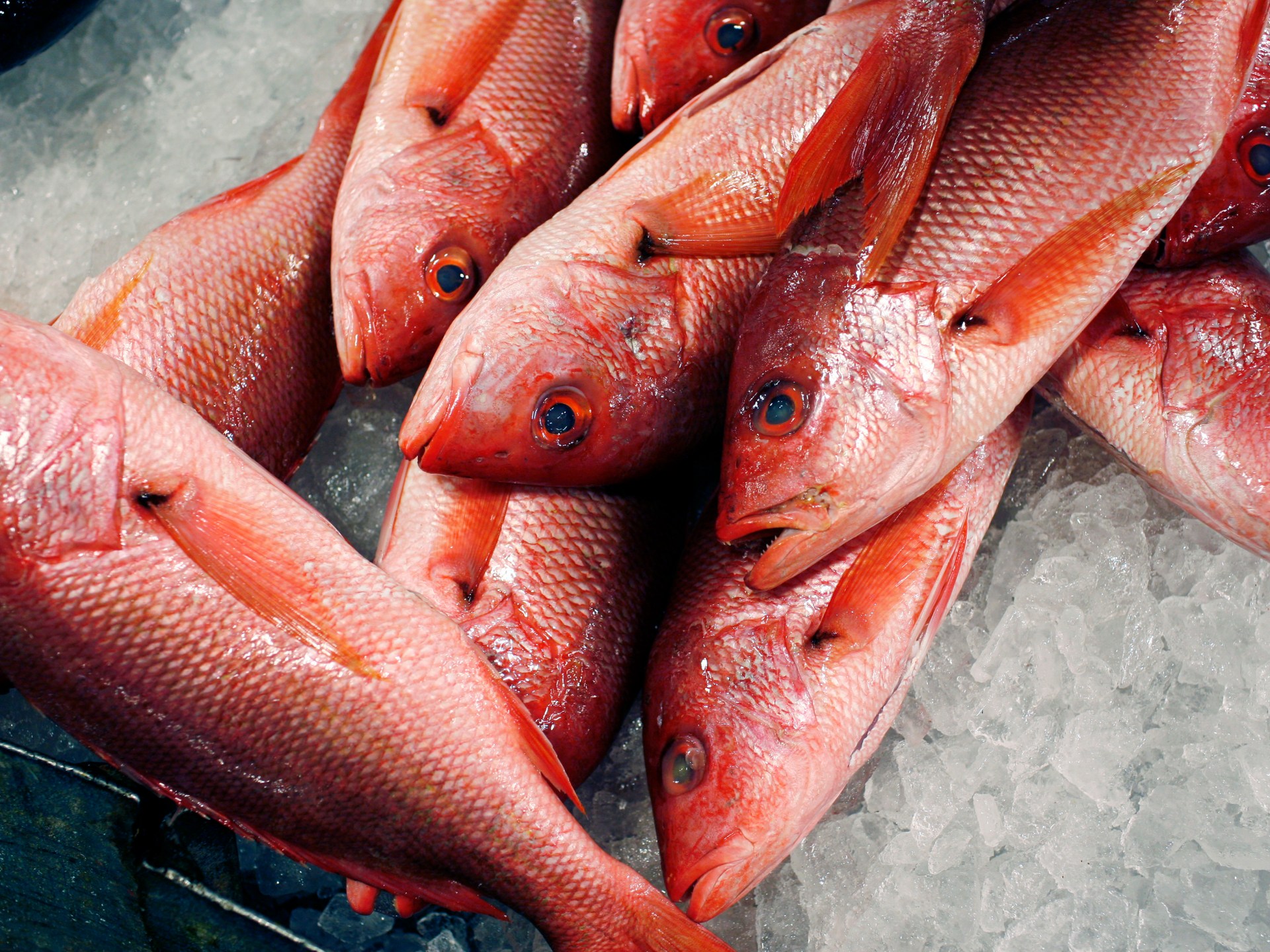
US President Donald Trump has announced that all state permits for the 2026 recreational red snapper fishing season have been approved, expanding access for anglers across southeastern coastal states. A post on Truth Social shared by Trump described the decision as a “huge win” for fishermen in Florida, Georgia, South Carolina, and North Carolina.
The approval centers on coordination with the National Oceanic and Atmospheric Administration (NOAA), which regulates fisheries and sets quotas and seasons in federal waters. Recreational red snapper fishing has been tightly controlled at the federal level, often limited to brief seasonal openings that critics say restrict access.
Several southeastern states have pushed for more flexibility, seeking a greater role in setting fishing seasons and expanding the number of days anglers can fish. Catch limits and size requirements would still apply, with anglers typically limited to one fish per day in the South Atlantic.
Governor Ron DeSantis of Florida stated that state management and expansion of Gulf snapper season have been beneficial for his state’s communities, allowing more Floridians and visitors to enjoy red snapper fishing. The Trump Administration has taken action to rein in bureaucracy and return power to states.
However, Ocean Conservancy, a US-based ocean conservation nonprofit, notes growing warning signs under the new system, including reports of declining fish size and concerns from fishermen about overfishing. Marine scientists and conservation groups warn that loosening federal oversight could increase the risk of overfishing, particularly if monitoring and enforcement vary across states.
The Magnuson-Stevens Act requires regulators to set annual catch limits to prevent overfishing. Critics argue that longer fishing seasons could undermine these safeguards. Meredith Moore of Ocean Conservancy stated that exempted fishing permits are an end run around sustainable management, citing concerns about unproven data collection and the potential for overfishing.
Others warn that the impact could be felt beyond stock levels, affecting the long-term future of the fishery. The decision has sparked debate among stakeholders, with some arguing that it will improve access for recreational fishermen while others express concerns about the potential risks to the fishery.
Source: Al Jazeera