UAE exits OPEC, impact on global energy market to be assessed
April 29, 2026 • Al Jazeera
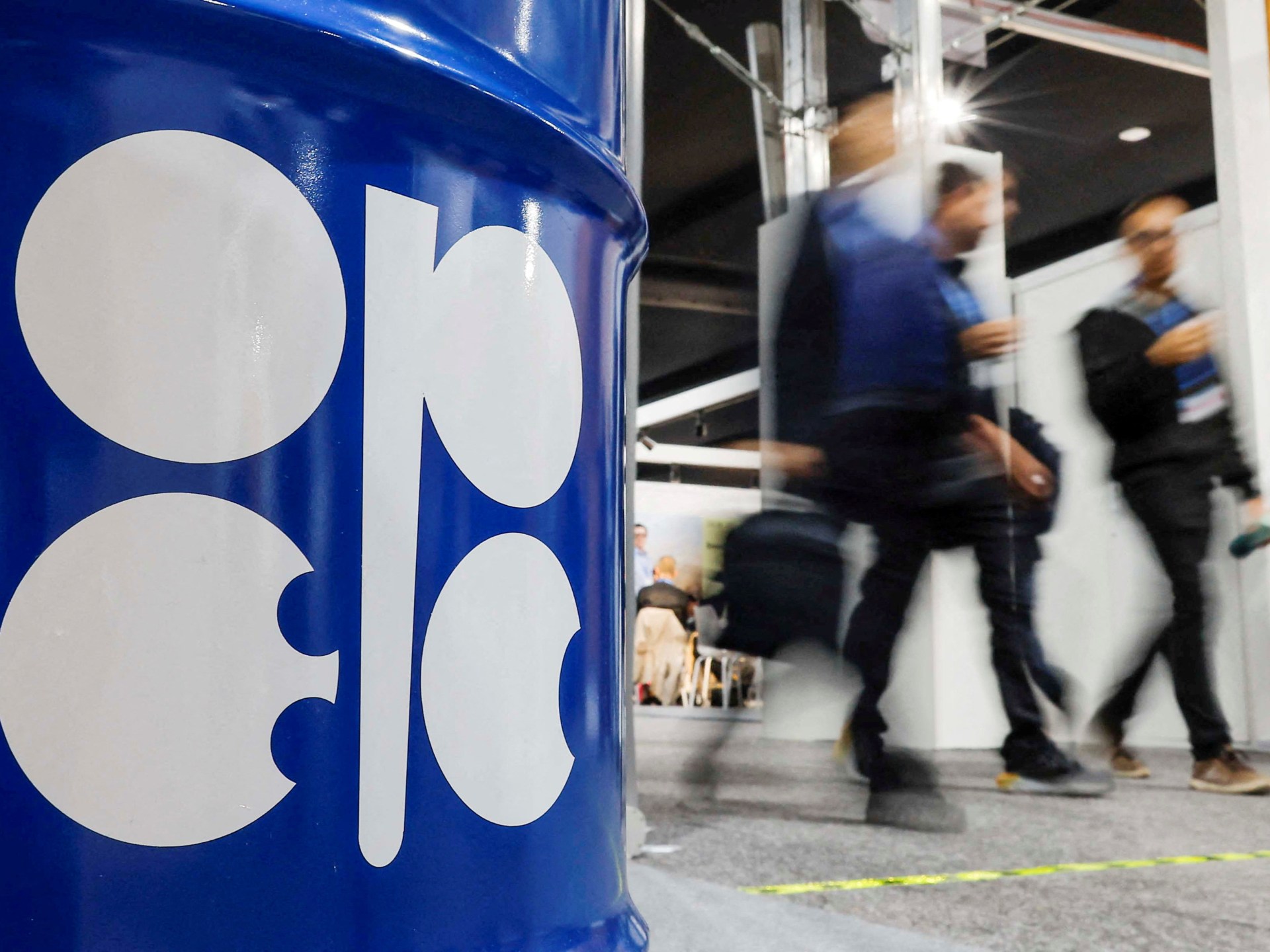
United Arab Emirates Announces Departure from OPEC Amid Shift in Economic Policies
The United Arab Emirates (UAE) has announced its intention to leave the Organization of the Petroleum Exporting Countries (OPEC), a Vienna-based oil cartel. The decision, which comes after years of dissatisfaction with OPEC’s production cap policy, is seen as a significant development in the region’s energy landscape.
According to reports, the UAE has invested billions of dollars in increasing its oil production capacity from 3 to 5 million barrels per day (bpd) by 2027. As it has grown its ability to produce more oil, the country has demanded a larger quota than was assigned to it under OPEC’s agreement.
The move comes at a time when the region and the world are grappling with an energy crisis triggered by the US-Israel war on Iran. The conflict has led to increased tensions in the Strait of Hormuz, which is a critical waterway for oil shipments from Gulf producers.
Experts note that the UAE’s departure from OPEC may not have an immediate impact on the market due to current constraints on exports caused by Iran’s control of the strait. However, if the conflict ends with an agreement allowing for free navigation through the strait, the UAE could potentially flood the market with its 1.6 million bpd of extra production.
The UAE’s decision is seen as a strategic move to focus on “national interests” and forge its own path in the energy market. The country has been exploring alternative routes for oil exports, including the Fujairah terminal, which allows it to circumvent the strait.
Other OPEC member states have responded cautiously to the UAE’s departure, with officials downplaying its significance. However, analysts note that the move reflects a broader shift in the region’s energy landscape and may signal a more independent approach to economic policies.
Source: Al Jazeera