Ukraines minority groups share experiences of living through ongoing conflict
February 3, 2026 • Al Jazeera
Here is the rewritten article in a neutral newsroom style:
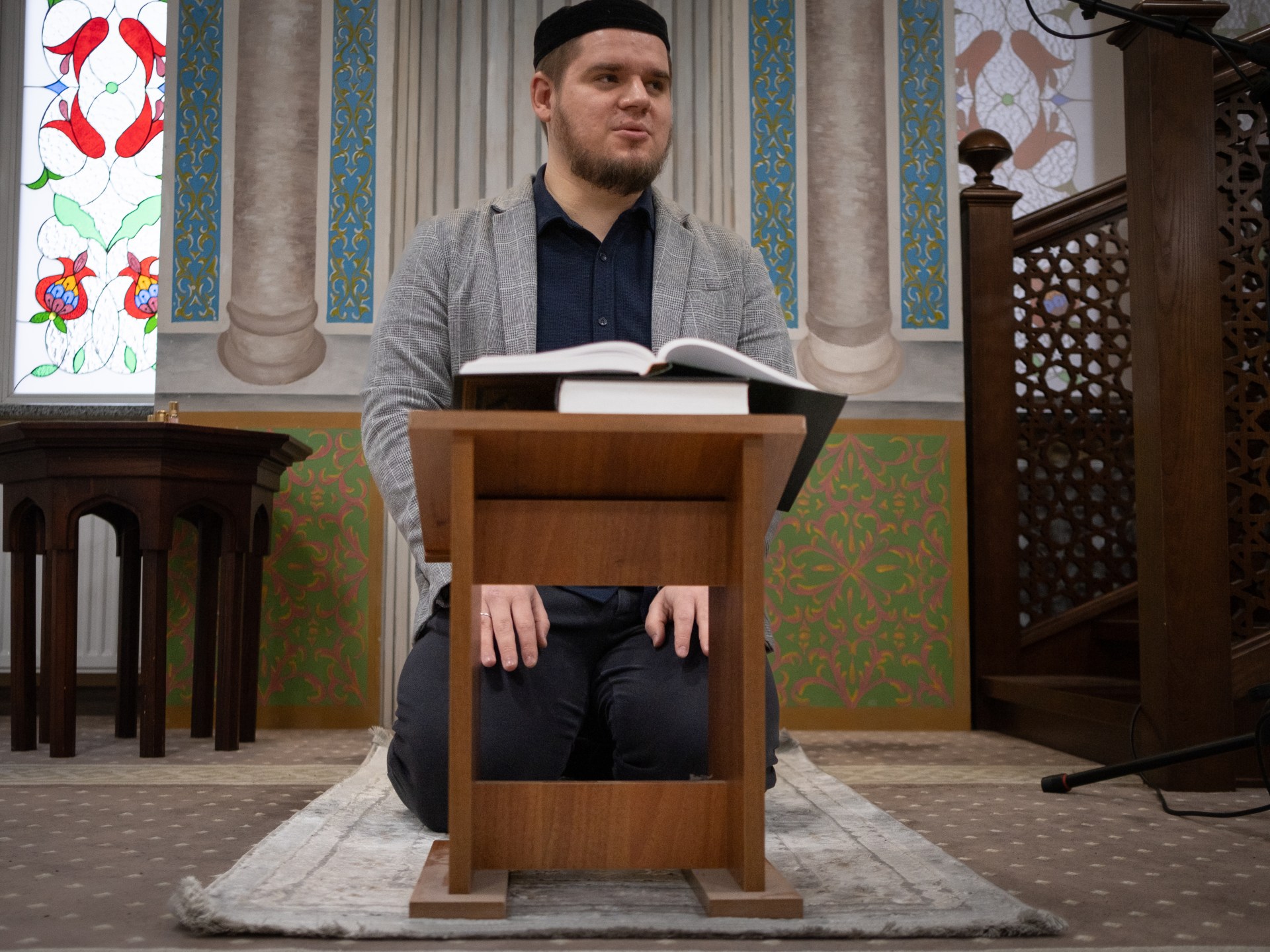
Mosque Opens Doors to Displaced People Amidst War
A mosque in western Ukraine has been providing temporary shelter and support to displaced people from across the country since the start of the war. The Muhammad Asad Islamic Cultural Centre, led by Imam Ibrahim Zhumabekov, has seen hundreds of Ukrainians find peace at the centre.
The centre’s efforts have helped dispel misconceptions about Islam in Ukraine, including claims that Muslims are terrorists or that their faith subjugates women. Women and children have been given female-only quarters to sleep, change, and wash in privacy.
Zhumabekov has spoken of educating Ukrainians about the country’s rich Muslim heritage, noting that Muslims may have been present in Lviv since the 14th century. He also mentioned Muhammad Asad, a Jewish-born journalist who converted to Islam and became an influential Quran translator and scholar.
The centre has become a hub for diverse communities coming together in the face of shared hardship. In 2024, about 1.5 million Muslims lived in Ukraine before Russia annexed Crimea and pro-Moscow separatists seized parts of eastern Ukraine in 2014.
The Ukrainian government has highlighted the rights of Indigenous groups, including the Crimean Tatars, a Muslim ethnic minority native to the Crimean Peninsula. Many Ukrainians have become more sympathetic to the plight of the Crimean Tatars since Russia’s full-scale invasion.
However, cultural initiatives remain under-resourced and face competition with larger institutions. Discrimination still affects the job market, with some individuals experiencing it personally. An estimated 76,548 international students were enrolled at Ukrainian universities before the war, but almost all fled in the first weeks of Russia’s invasion.
A few students who remained have spoken of discriminatory treatment by Ukrainian authorities and personnel. One student, Basame Ngoe Ekumi from Cameroon, was initially enrolled in a scam scheme and later met a Ukrainian man who invited him to stay with his family during Christmas.
Source: Al Jazeera