Ukrainian anti-drone system Sky Map deployed in Gulf region
May 4, 2026 • Al Jazeera
Ukraine’s Anti-Drone System Gains Global Attention
The conflict between the United States, Israel, and Iran has seen a significant increase in the use of cheap, mass-produced one-way drones. These drones have been used to target energy facilities, airbases, and other strategic sites across the Gulf and Israel. In response, the US and Israel have employed expensive interceptor missiles for defense.
To counter this threat, Gulf states and their US partners have turned to Ukrainian-made anti-drone technology. Ukrainian President Volodymyr Zelenskyy recently visited Saudi Arabia, the UAE, and Qatar, offering counter-drone expertise and signing 10-year defense agreements with all three countries.
Ukrainian forces have been involved in active operations using domestically produced interceptor drones, shooting down Iranian Shaheds in several Gulf countries. The US military has also deployed Sky Map, a Ukrainian command-and-control platform used to detect incoming drones, at Prince Sultan Air Base in Saudi Arabia.
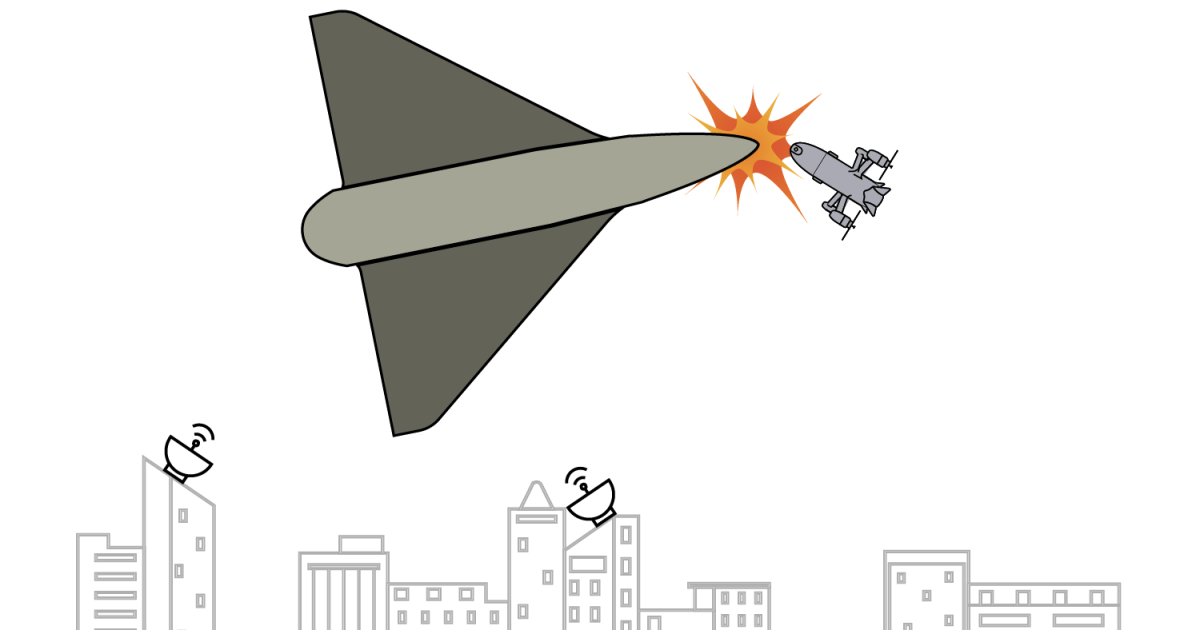
The Ukrainian anti-drone system uses thousands of acoustic sensors and interceptors to find and destroy incoming drones. It employs a range of interceptor drones, including the Sting, P1-Sun, and ODIN Win_Hit, which are designed to chase and shoot down attack drones before they reach their targets.
These interceptor drones are capable of delivering various payloads and do not self-destruct, unlike one-way drones. They are also relatively affordable, with prices ranging from $1,000 to $3,000. The Shahed-136 is an Iranian one-way attack drone that has gained global prominence due to its use by Russia in Ukraine.
The design of the Shahed-136 is effective and replicable, with several militaries adopting it, including Iran’s original Shahed, Russia’s Geran‑2, and the US LUCAS. The Ukrainian anti-drone system has gained attention globally for its effectiveness in countering this threat.
Source: Al Jazeera