Ukrainian President Zelenskyys popularity wanes amid ongoing conflict and criticism
February 17, 2026 • Al Jazeera
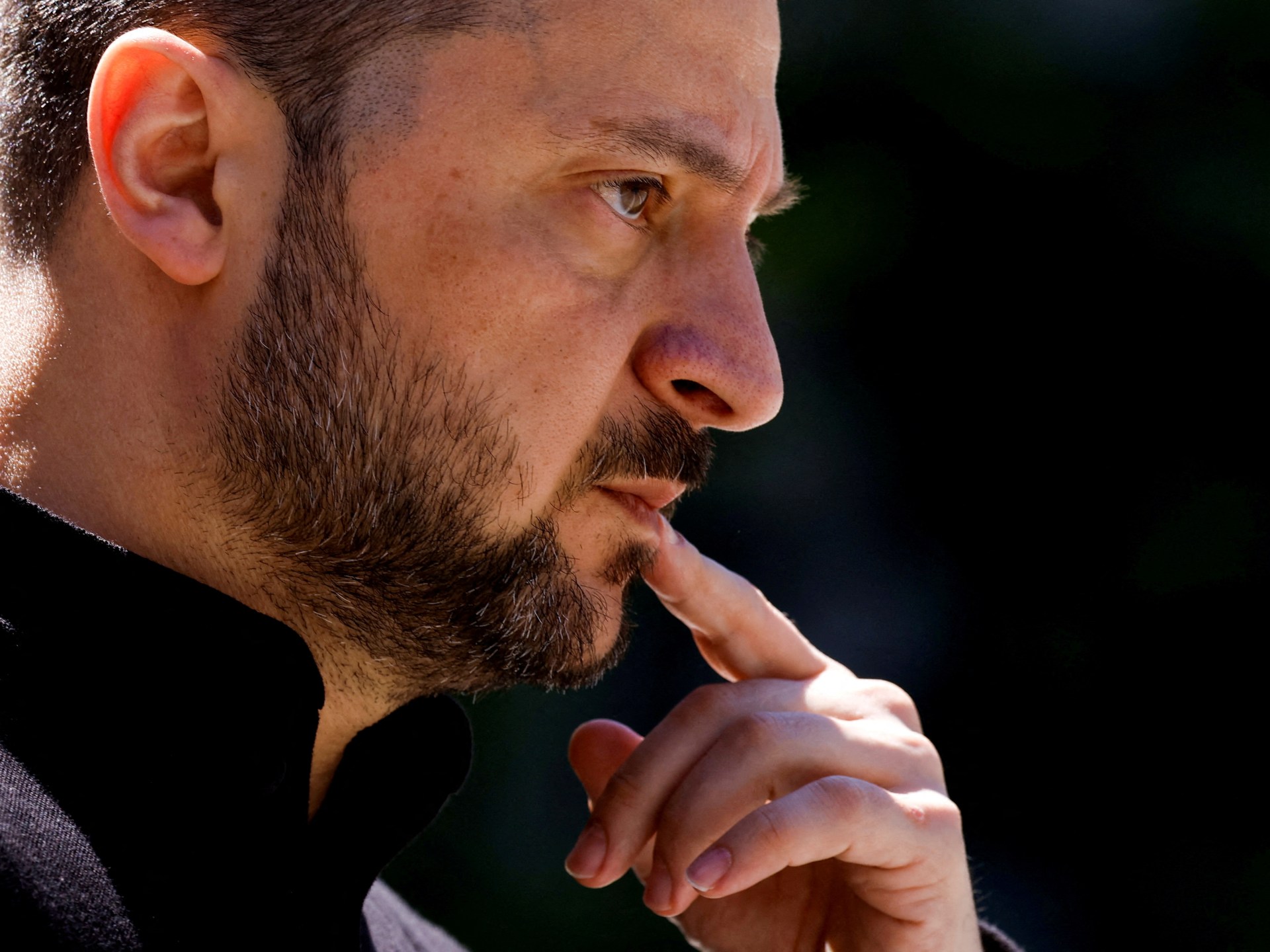
Volodymyr Zelenskyy’s Popularity Plummets Amid Corruption Scandal
Kyiv, Ukraine - Volodymyr Zelenskyy, the Ukrainian president who rose to prominence in 2019 with his anticorruption message, has seen a significant decline in popularity over the past four years. Initially, his defiance and everyman image earned him widespread acclaim both domestically and internationally.
In 2019, Zelenskyy was elected on a platform of fighting corruption, which resonated with voters disillusioned with the status quo. His landslide victory, winning 73 percent of the vote, marked a significant shift in Ukrainian politics. However, as he began to govern, his popularity began to erode.
According to a December survey by the Kyiv International Institute of Sociology, Zelenskyy’s approval rating had dropped to 31 percent just two months before Russia’s full-scale invasion in 2021. The invasion marked a turning point for Zelenskyy, who became a wartime president and saw his popularity surge to 91 percent in the first weeks.
However, since then, concerns about governance and corruption have taken center stage. A recent survey found that while 61 percent of Ukrainians trust Zelenskyy, 32 percent do not. Some believe he would struggle to be re-elected in a post-war vote.
Corruption scandals involving his associates and the perception that he is concentrating power have contributed to this decline. The Ukrainian president’s increasing focus on diplomatic trips and less time spent on the street has also raised eyebrows.
Washington is now calling for Zelenskyy to organize national elections in 2026, but this would require legal and constitutional changes under Ukraine’s wartime martial-law rules. In recent days, Zelenskyy stated that he is “ready” to hold an election, provided international support is forthcoming.
Ukrainian politics expert Peter Dickinson notes that the country’s democracy is “very vibrant” but also “very immature.” He attributes this phenomenon to a “high school popularity contest,” where leaders are initially embraced as national saviours only to be swiftly rejected when expectations of rapid change go unmet.
Source: Al Jazeera