UN Watchdog Urges Iran to Refrain from Charging Tolls in Strait of Hormuz
April 12, 2026 • Al Jazeera
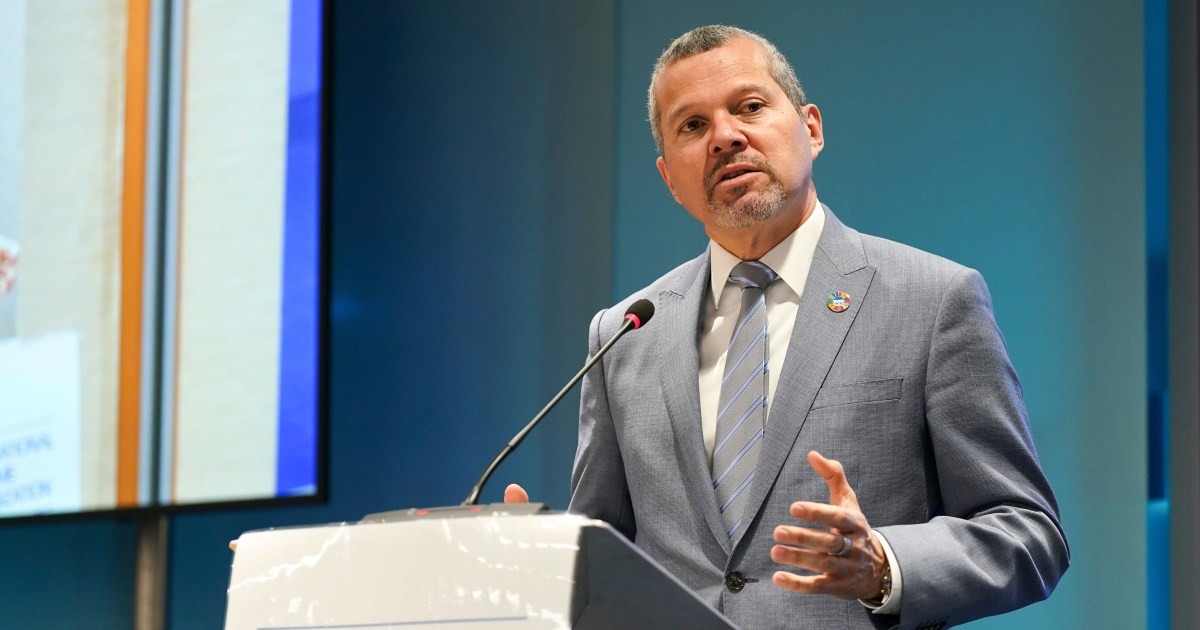
International Maritime Organization Chief Urges Rejection of Proposed Tolls for Strait of Hormuz
In an interview with Al Jazeera, Arsenio Dominguez, secretary-general of the International Maritime Organization (IMO), has stated that Iran’s proposal to charge ships tolls to transit the Strait of Hormuz would be illegal and should be rejected by the international community. This comes as uncertainty lingers over a fragile truce between Iran and the United States.
Iranian authorities have demanded the right to impose tolls on vessels transiting the strait, including after the end of the war. US President Donald Trump has also floated the possibility of a “joint venture” for collecting payments operated by Washington and Tehran.
Dominguez emphasized that countries do not have the right to introduce tolls or charges on these straits, citing international law as the basis for his statement. He also expressed concern about the potential precedent set by such measures, which could be detrimental to global shipping.
The situation in the Strait of Hormuz remains uncertain, with only 22 ships with their automatic identification system turned on exiting the strait between the start of a two-week ceasefire and Friday, compared to around 135 daily transits before the war. The US military has sailed two warships through the strait in an effort to clear the waterway of Iranian mines.
Dominguez stressed that the fundamental solution to resolving the blockage of the strait is ending the war. He noted that there were no issues with ships transiting the Strait of Hormuz before the conflict started and expressed hope that, once the war ends, transit operations can resume.
The IMO chief also highlighted concerns about the wellbeing of around 20,000 seafarers stranded in the Gulf due to the effective blockade of the strait. He emphasized that his primary focus is on the safety and well-being of these individuals, rather than the broader economic implications of the situation.
Source: Al Jazeera