Understanding Air Conditioning Systems and Their Human Impact
June 23, 2026 • Al Jazeera
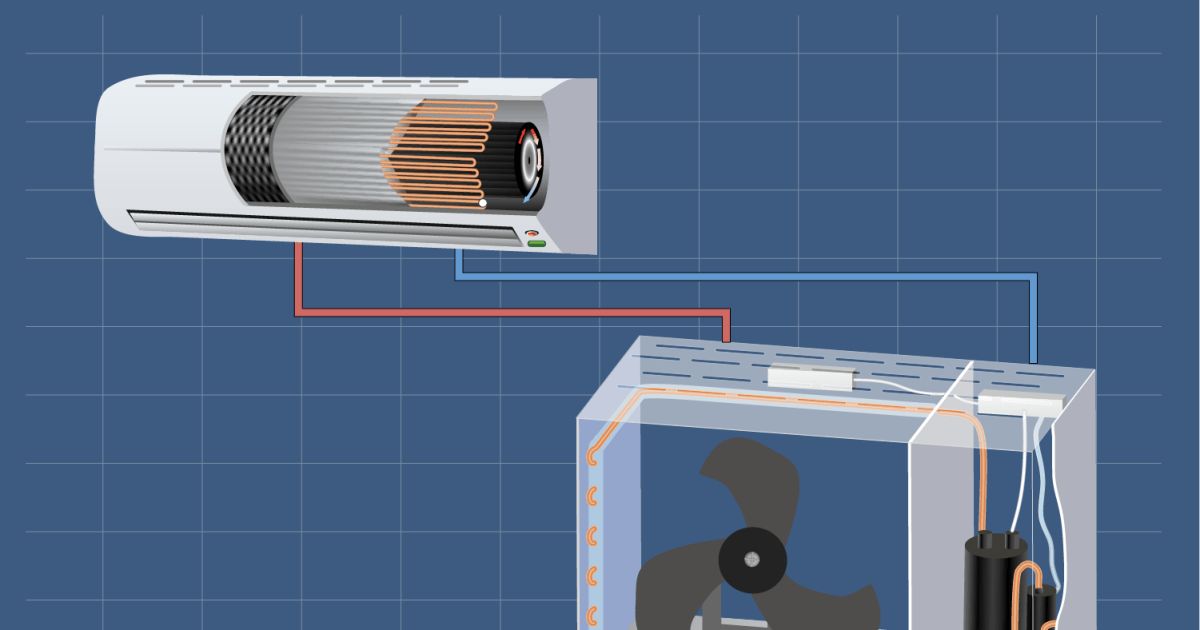
Air Conditioners: A Cooling Solution with Potential Health Risks
As temperatures rise across the Northern Hemisphere, where nearly 90 percent of the world’s population resides, people are relying on air conditioners to stay cool. While air conditioners provide relief from extreme heat, they also have a significant impact on indoor humidity levels.
Air conditioners work by removing heat and moisture from indoor air and releasing it outside through a process that involves cold evaporator coils, liquid refrigerant, and a condenser coil. The cooled air is then blown back into the room, while the warm refrigerant gas is released to the outdoors.
The invention of modern air conditioning dates back to 1902, when American engineer Willis Carrier designed a humidity-control system for a New York printing plant. Since then, window-mounted units and mass-produced AC systems have become increasingly common in homes and offices.
However, long-term use and poor maintenance of air conditioners can lead to adverse effects on the body. For example, dry skin and irritation can occur due to the removal of moisture from the air.
To minimize the risk of heat-related illnesses, it is essential to take precautions when using air conditioners. The World Health Organization recommends that people stay hydrated, wear light clothing, and avoid strenuous activities during hot weather.
For those who do not own an air conditioner or are looking for ways to save energy costs, building a DIY cooler using a styrofoam cooler, ice, and a fan can provide temporary relief during the hottest summer days.
Source: Al Jazeera