Understanding Hindutva: A Growing Political Movement in India
May 22, 2026 • Al Jazeera
High Court in Madhya Pradesh Rules on Kamal Maula Mosque
A high court in the central Indian state of Madhya Pradesh has ruled that the centuries-old Kamal Maula mosque in Dhar city is actually a temple dedicated to a Hindu goddess. The ruling came two days after saffron flags associated with Hindu far-right groups were displayed at the site, with supporters celebrating and filming rituals.
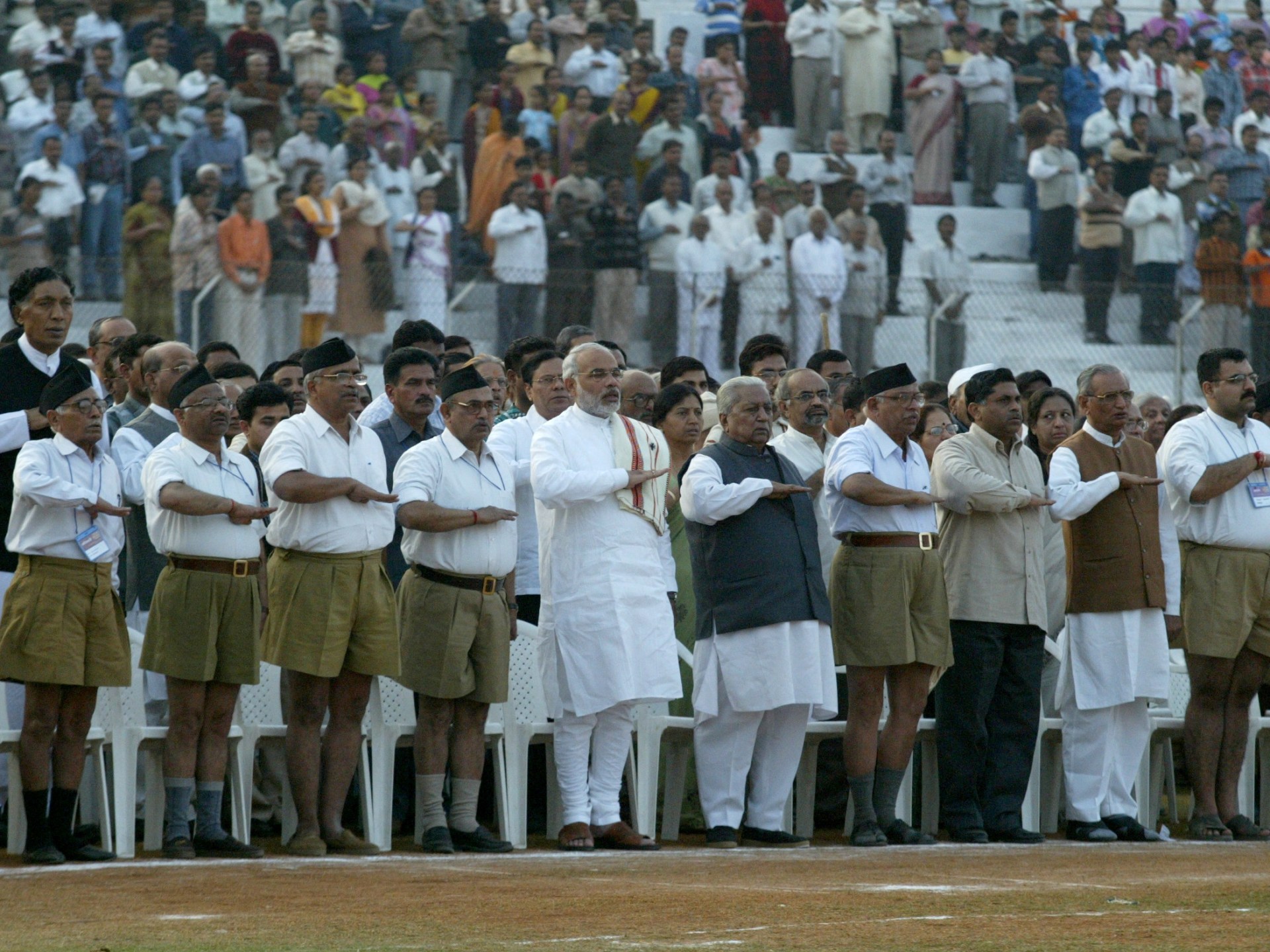
The Kamal Maula mosque, also known as the Bhojshala complex, has been disputed for decades. Similar claims have been made by Hindutva activists across the country, who argue that mosques were built on top of temples. The movement is linked to Prime Minister Narendra Modi’s rise to power in 2014.
Modi is a leader of the Bharatiya Janata Party, which follows an ideology known as Hindutva. This right-wing political and nationalist ideology defines India’s cultural and national identity based on a particular interpretation of Hindu values. The term “Hindutva” consists of two parts: the word “Hindu”, derived from the Sanskrit word “Sindhu”, and the suffix “-tva”, meaning essence or being.
The concept of Hindutva emerged in protest against British colonial notions of Hinduism, but quickly developed into a majoritarian ideology that views India’s identity through the lens of a specific interpretation of Hinduism. The movement has its roots in sectarian tensions between Hindus and Muslims in the early 20th century under British rule.
Indian freedom fighter Vinayak Savarkar coined the term “Hindutva” in his 1923 pamphlet Essentials of Hindutva, presenting a vision of Hindu identity based on unity, culture, and historical belonging. The movement has since expanded to include various affiliated institutions and organizations spanning religious activities, education, health, publishing, student politics, and trade unions.
The ruling by the high court in Madhya Pradesh is part of a broader trend of Hindutva activists making similar claims about mosques being built on top of temples across the country.
Source: Al Jazeera