US and Israels Iran policy influenced by religious and strategic considerations
March 17, 2026 • Al Jazeera
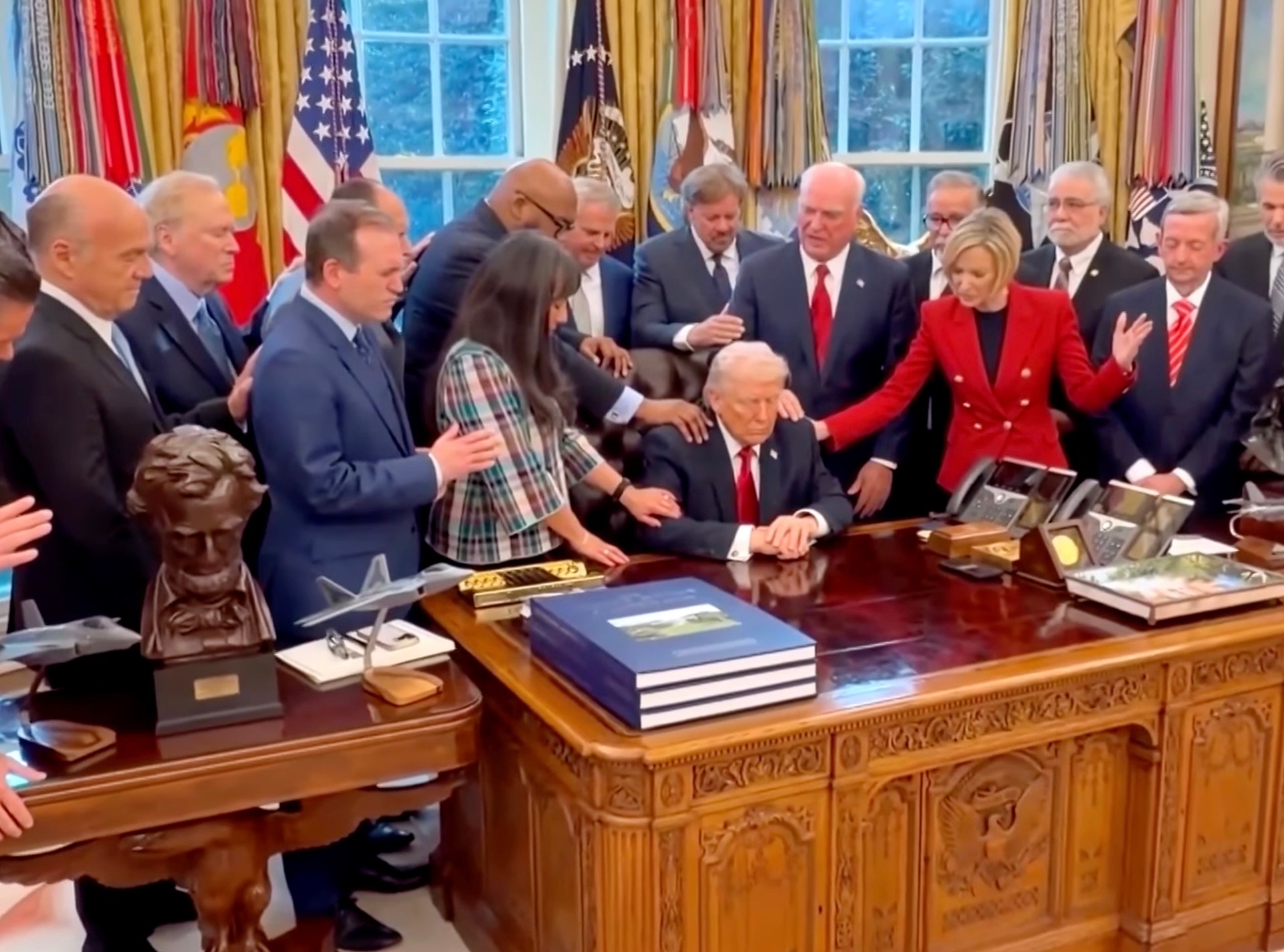
US Secretary of War Pete Hegseth and Secretary of State Marco Rubio have made comments about Iran’s nuclear program, describing the country’s rulers as “religious fanatic lunatics.” The US government’s stance on Iran is complex, with strategic interests at play.
In Western Christian societies, a shift has occurred over the past few decades. Secularism has become the dominant principle, with religion confined to private life and the state maintaining neutrality. In contrast, many Muslim-majority countries have maintained religious practices in public life. This difference has led to distinct societal outcomes, particularly among conservative Christians.
Conservative Christians have expressed concerns about the erosion of traditional values, including family structures, birth rates, and moral standards. They see common ground with Muslims on these issues. However, a subset of conservative Christians advocates for Christian supremacy, often aligning with white nationalist and racist ideologies. Pete Hegseth’s views reflect this hard-right current.
Hegseth is associated with Christian Reconstructionism, which rejects the separation of church and state. He has expressed his faith through tattoos and public statements, including the use of Arabic words that may be perceived as provocative. The Military Religious Freedom Foundation has reported an increase in complaints from US service members stationed in the Middle East, citing commanders who have linked the war to divine plans.
Experts argue that this worldview is not just about violence but also about using Christianity to justify actions in politics. Christian Zionists and evangelical dispensationalists believe that rebuilding the Third Temple is essential for the Second Coming of Christ. The US ambassador to Israel, Mike Huckabee, has expressed support for Israeli control over the Middle East under a biblical interpretation of its borders.
These comments highlight the complexity of the US government’s stance on Iran and the role of religion in shaping policy decisions.
Source: Al Jazeera