US Constitution outlines process for declaring war between president and Congress
March 18, 2026 • Al Jazeera
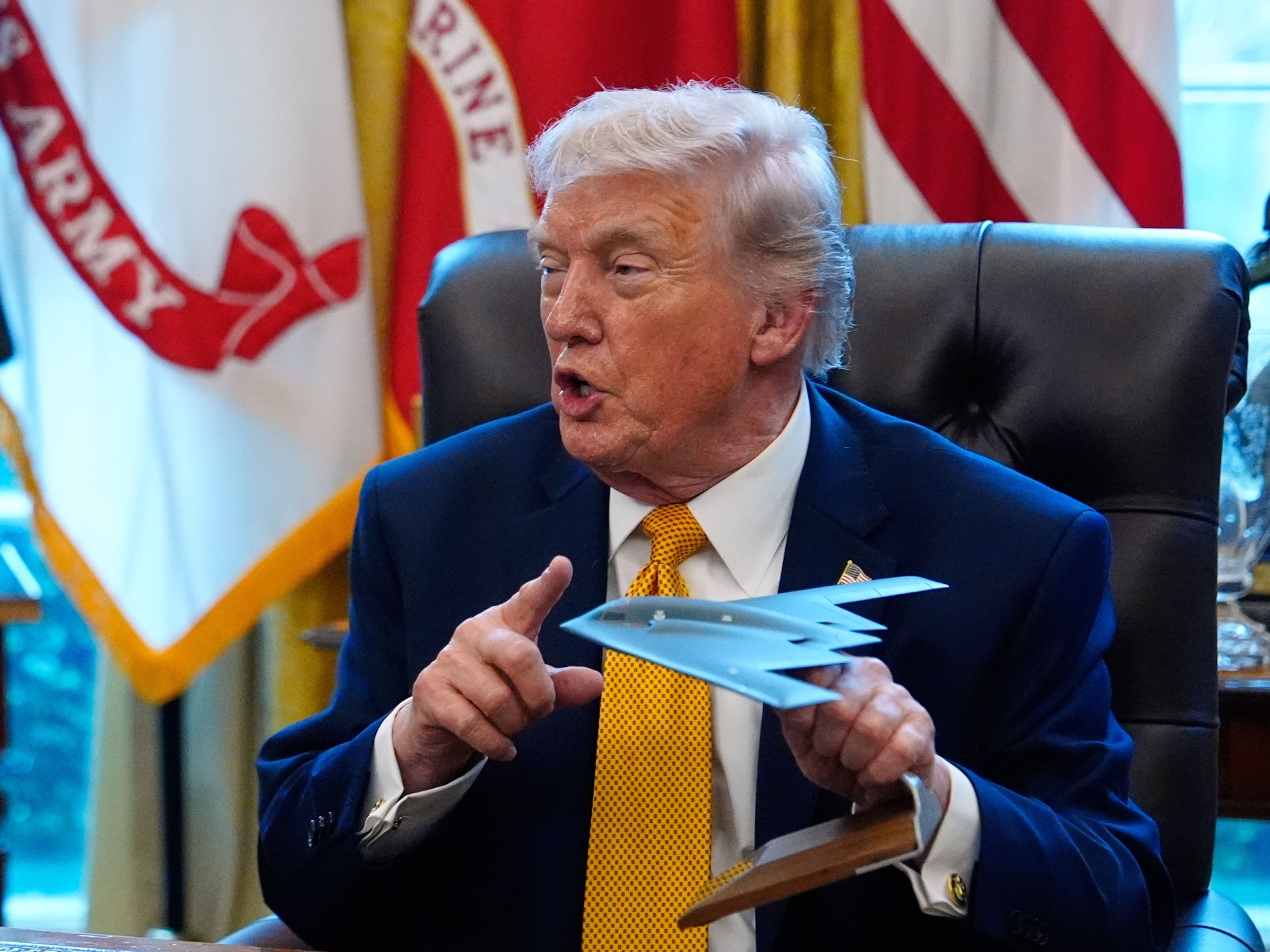
US President Donald Trump’s decision to launch military strikes against Iran has sparked controversy over his authority to do so without Congressional approval. The strikes, which were carried out in conjunction with Israel, resulted in the deaths of Iranian Supreme Leader Ali Khamenei and several other senior officials.
Trump has argued that he had the right to order emergency measures in “self-defence” against an “imminent threat” posed by Iran, citing Article II of the US Constitution. However, Democrats have challenged his authority, arguing that he wrongly sidelined Congress to start the war on Iran without explaining the reasons for it or outlining the US’s endgame.
In early March, a Democratic-led war powers resolution was rejected by a vote of 53-47 in the Senate, with some Republicans and one Democrat opposing the measure. The resolution sought to halt further US action in Iran and essentially end the war. Trump has justified the attacks by claiming that Tehran was planning to strike first, thus invoking the “self-defence” justification.
The director of the US National Counterterrorism Center, Joe Kent, has resigned over the war with Iran, citing concerns that Iran posed no imminent threat to the nation and that pressure from Israel and its powerful lobby played a role in the decision. The US Constitution outlines a sharing of war powers between the president and Congress through a system of checks and balances.
Under Article I, Congress has sole power to declare war, while under Article II, the president has powers as commander in chief of the military and can decide how a war is fought. However, there is no clear precedent for the president’s authority to launch military action without Congressional approval, particularly when it comes to conflicts with other nations.
In recent years, US presidents have often worked around the legal guardrails in the Constitution to push on with military action abroad while bypassing Congress. The War Powers Resolution of 1973 was passed during the Vietnam War, mandating that a president may deploy the US military only after a congressional green light or in emergency situations such as an attack on the US or its assets.
Source: Al Jazeera