US Economy Sees Signs of Strength After Trump Presidency
January 19, 2026 • Al Jazeera
US Economy Sees Strong Growth Despite Widening Wealth Gap
The United States economy has experienced strong growth over the past year, with the unemployment rate remaining low at 4.4 percent and gross domestic product (GDP) growing at 4.3 percent in the third quarter of 2025. However, experts note that this growth is not being evenly distributed among all segments of society.
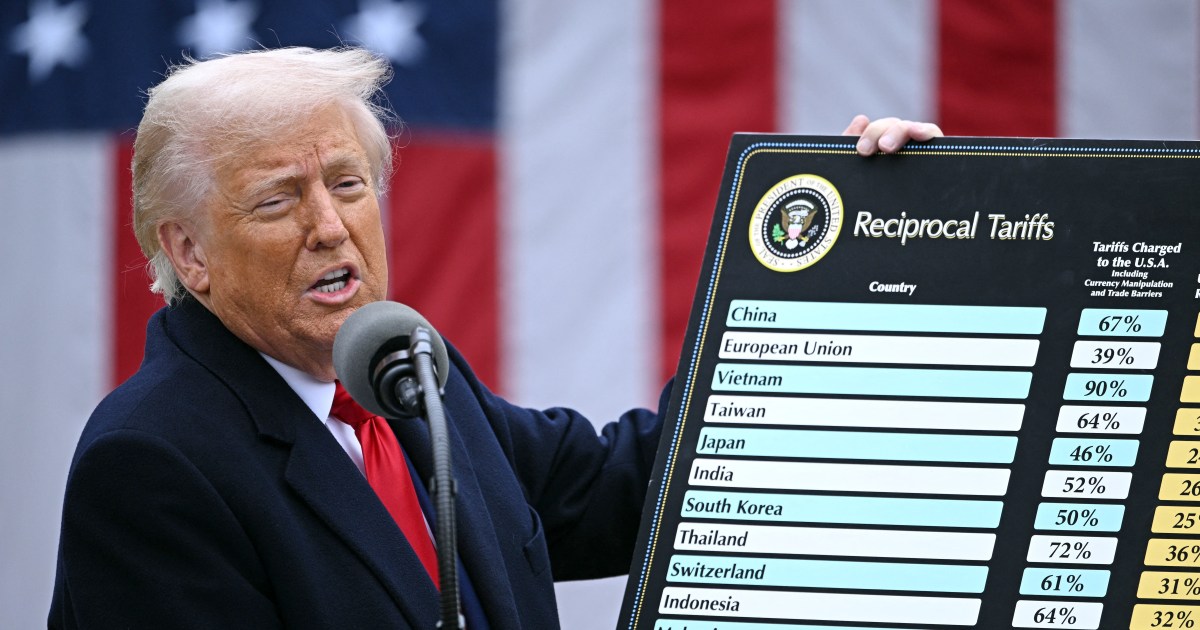
President Donald Trump’s policies have had a significant impact on businesses, supply chains, and jobs since taking office. The imposition of tariffs on key trading partners has led to predictions of inflation, manufacturing disruptions, and unemployment increases. Despite these concerns, the actual outcomes have been different from expectations.
Inflation was reported at 2.7 percent in December, slightly above the Federal Reserve’s target. The stock market, which is heavily weighted towards technology companies, has risen nearly 30 percent since Trump announced a dialing back of tariffs on “liberation day.” This increase in net wealth has driven consumer spending, accounting for almost one-third of the rise in spending since the COVID-19 pandemic.
However, the benefits of this growth have not been evenly distributed. The top 10 percent of earners now account for roughly half of all spending, according to Moody’s Analytics. Experts note that these gains are largely concentrated among high-income individuals with stock portfolios and those tied to artificial intelligence (AI).
A closer examination of the data reveals unevenness in economic growth. While hospitality and healthcare have added workers, retail, manufacturing, and construction sectors have shed jobs. The Trump administration’s mass deportation of undocumented immigrants and tightening of legal migration pathways have led to negative net migration for the first time in at least half a century.
The US workforce is projected to see a net decline of two million workers this year, according to Brookings Institution analysis. This trend is also affecting smaller companies, which are struggling with policy uncertainty and limited access to resources due to increased tariffs. The AI industry has seen revenue growth driven by capital-intensive chip manufacturing and cloud services, but its benefits have not been felt equally among all segments of the workforce.
Experts caution that the “bifurcation” in the US economy is having a significant impact on businesses and workers alike.
Source: Al Jazeera