US-funded vaccine trial sparks controversy in Guinea-Bissau over infant participation
February 7, 2026 • Al Jazeera
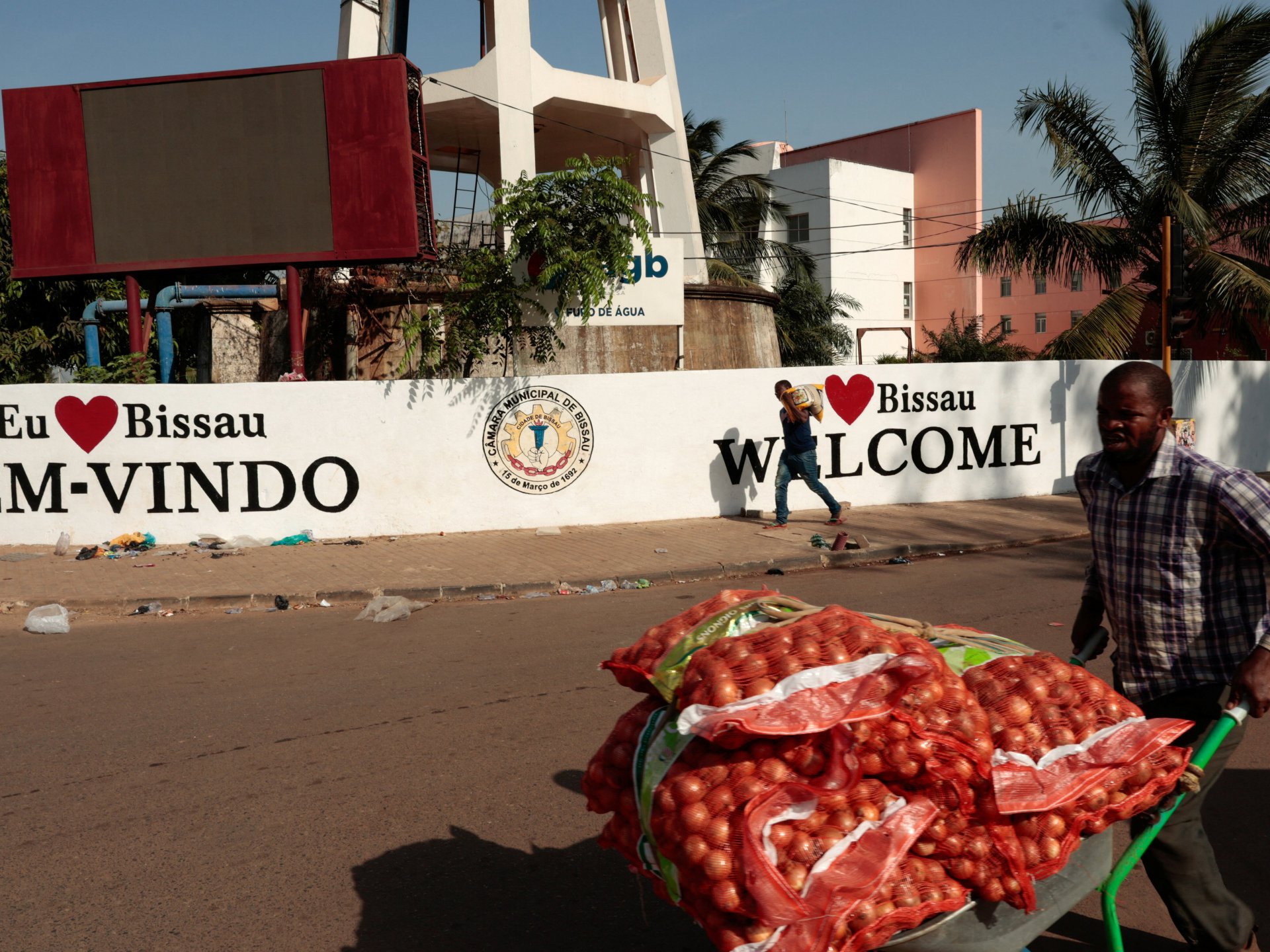
Researchers at the University of Southern Denmark have suspended a planned vaccine trial in Guinea-Bissau due to government intervention. The trial, which was set to begin last month, aimed to assess the effects of administering hepatitis B vaccines at two separate times on 14,000 babies. Half of the sample group would receive the vaccine at birth, while the other half would get it six weeks later.
The study’s lead researchers had planned to compare health outcomes over five years. However, public outcry and concerns from international health experts led to a government review, which resulted in the suspension on January 22. A former Guinea-Bissau health minister, Magda Robalo, expressed disappointment that her country approved the study without informing the national public health institute.
Robalo stated that the researchers took advantage of Guinea-Bissau’s limited research capacity and lack of strong critical mass of public health professionals. The country has a high number of people infected with hepatitis B virus (HBV), which can lead to long-term liver damage and cancer. According to the World Health Organization, HBV resulted in 1.1 million deaths globally in 2022.
The Guinea-Bissau government plans to introduce at-birth vaccines starting from 2028, but the trial was set to take advantage of this transition period. Critics argue that withholding vaccines at a critical time for some babies is unethical, while supporters claim the study will provide valuable insights into vaccine efficacy. The researchers involved in the trial are prominent scientists with experience conducting studies on Guinea-Bissau-based participants since 1978.
The suspension of the trial has raised questions about the ethics of the experiment and the researchers’ methods. A review of the study’s approval process is ongoing, and its future remains uncertain.
Source: Al Jazeera