US-Iran Ceasefire Faces Uncertainty Amid Rising Tensions in Region
April 10, 2026 • Al Jazeera
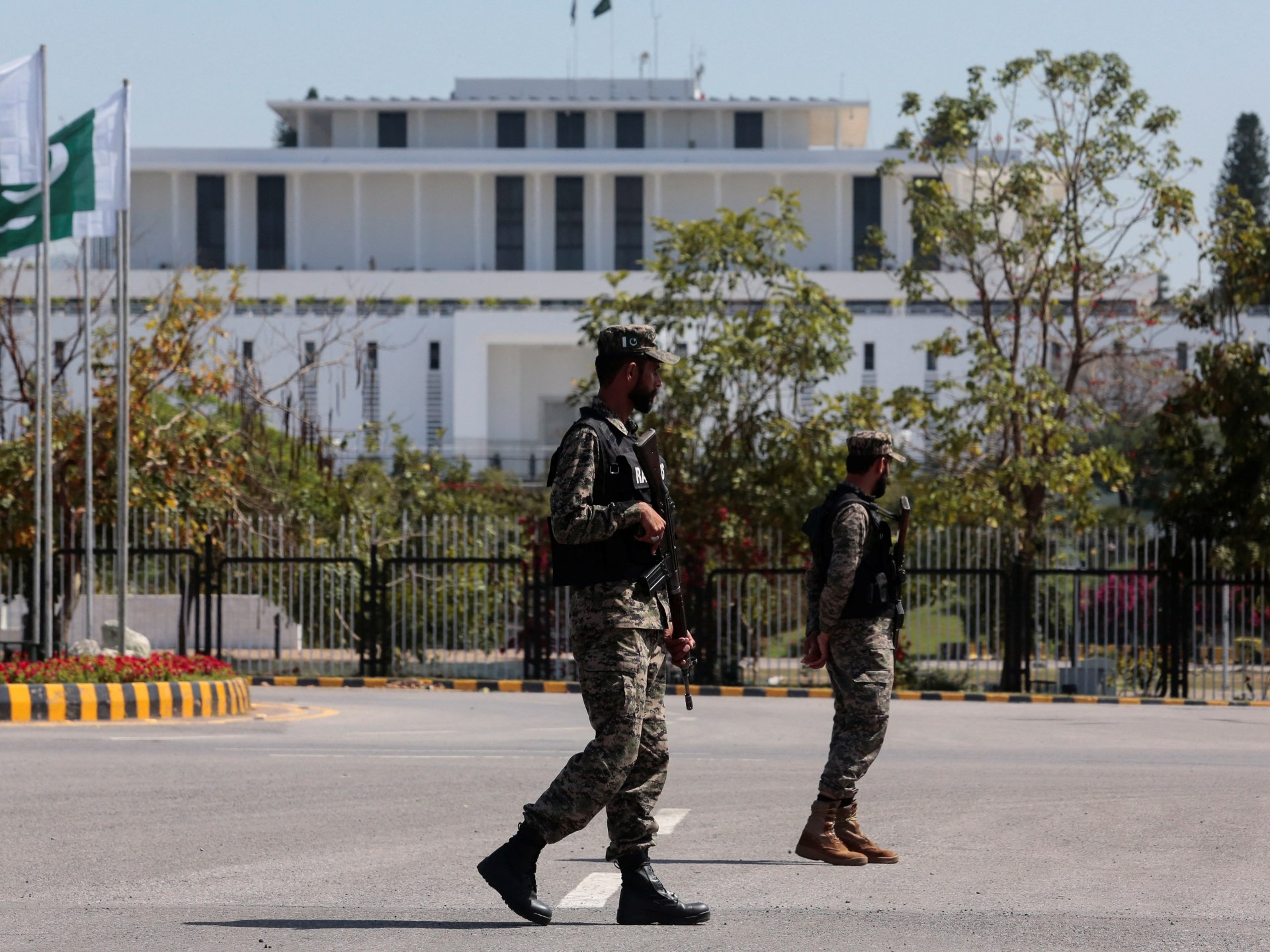
US-Iran Talks in Pakistan Meet Modest Expectations
Talks between the United States and Iran on the Middle East peace process are set to take place in Pakistan, with modest expectations for a successful outcome. There is also a risk that the meeting may not occur as planned.
The negotiations will proceed based on Iran’s 10-point proposal, which differs from US President Donald Trump’s 15-point plan. As part of this agreement, Iran will maintain control over the Strait of Hormuz during the truce and continue to collect transit fees from passing vessels.
Washington has conceded two critical points in the talks: acknowledging Iran’s authority over the strait and allowing Tehran to set the terms of the negotiations. Trump’s comments on social media have raised eyebrows in Washington, given the scope of Iran’s demands, which include recognition of Iranian control over the strait, uranium enrichment, lifting of US sanctions, and a comprehensive ceasefire.
The geopolitical consequences of the final outcome are uncertain, but it is clear that Tehran is unlikely to wield control of the Strait of Hormuz as a means of coercion. Instead, Iran plans to use this leverage to rebuild economic ties with Asian and European partners.
Trump has hinted at being open to accepting such an arrangement, noting that the US is not dependent on oil flowing through the strait. However, one area of contention remains: extending the ceasefire to Israel’s operations in Lebanon and Gaza. Iran’s insistence on this demand is rooted in its regional posture, solidarity with the peoples of Gaza and Lebanon, and concerns about potential escalation between Israel and Iran.
The talks will proceed despite internal debate within the Iranian government, which has cast the ceasefire as a victory. However, some voices close to the security establishment have expressed skepticism about the agreement’s long-term viability.
Source: Al Jazeera