US-Iran Conflict Sparks Global Reaction as Strait of Hormuz Reopens
April 17, 2026 • Al Jazeera
Here is a rewritten version of the article in a neutral newsroom style:
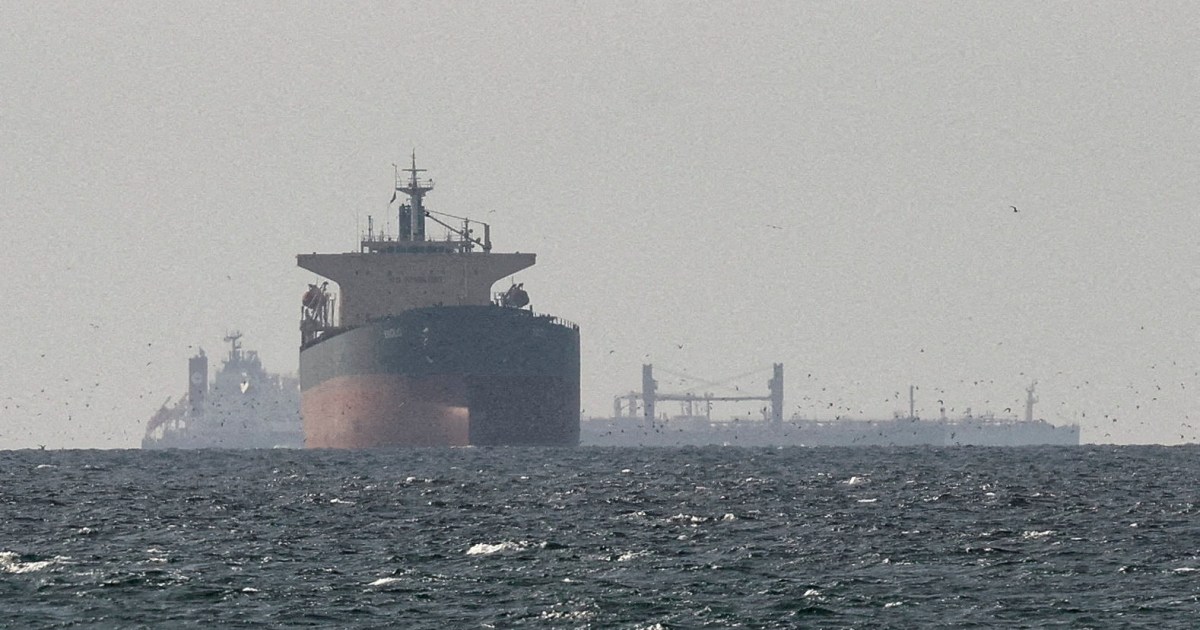
Iran’s Foreign Minister Abbas Araghchi and US President Donald Trump have confirmed that the Strait of Hormuz is open to commercial vessels. On Friday, Araghchi stated that the strategic waterway was “completely open” following the ceasefire between Israel and Lebanon. Trump later posted on social media that Iran had agreed to never close the Strait of Hormuz again.
However, Trump also clarified that the US naval blockade on Iranian ports would remain in full force until a deal is reached with Iran. In a separate statement, he stated that the US Navy’s blockade on Iranian ships and ports would continue until Tehran reaches an agreement with Washington, including on its nuclear program.
Foreign Minister Araghchi posted on X that the strait was declared completely open and would remain open for the duration of the 10-day Israel-Lebanon ceasefire. Some Iranian state media reports later contradicted Araghchi’s announcement, stating that only non-military vessels would be allowed to transit with permission from the Iranian Islamic Revolutionary Guard Corps (IRGC) Navy.
UK Prime Minister Keir Starmer cohosted a summit in Paris on Friday, where about 40 countries participated in person or by video conference. The gathering aimed to discuss a potential military mission to secure the Hormuz Strait. Starmer cautiously welcomed news of the strait’s reopening but emphasized that it must become “both lasting and workable.” He stated that the UK and France would lead a multinational mission to protect freedom of navigation as soon as conditions allow.
French President Emmanuel Macron also attended the summit, where he reiterated the need for the full, immediate, and unconditional reopening of the Strait of Hormuz by all parties. He opposed any restrictions or agreements that could amount to privatizing the strait and implementing toll systems.
German Chancellor Friedrich Merz announced that Germany would contribute mine clearance and intelligence capabilities to the international mission, but required parliamentary support and a secure legal basis such as a UN Security Council resolution.
Source: Al Jazeera