US-Iran Talks Remain Stalled, Experts Warn of Long-Term Disruptions Ahead
April 28, 2026 • Al Jazeera
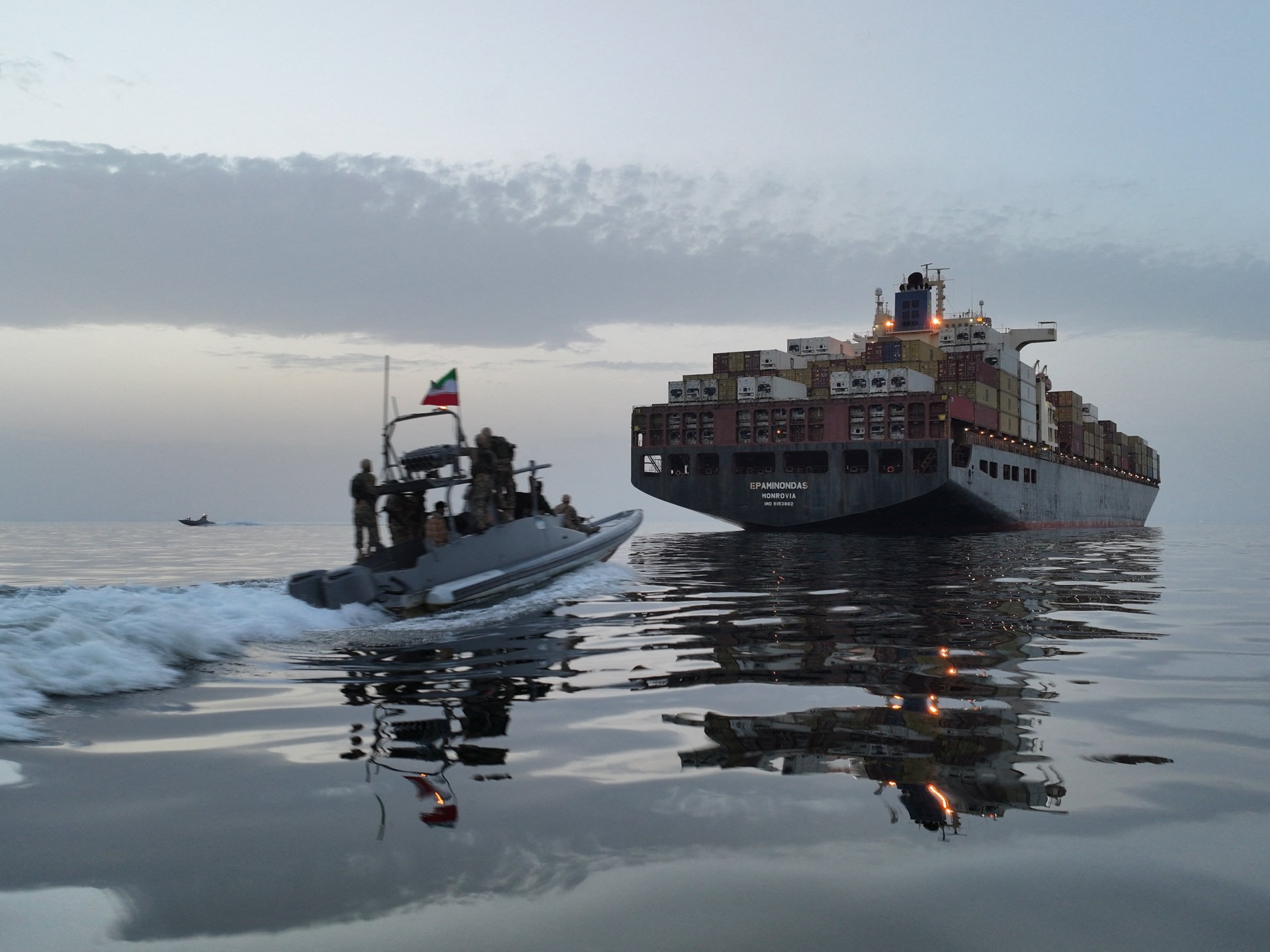
US-Israeli Conflict Enters 60th Day, Global Oil Prices Soar
The United States and Israel launched their attack on Iran on February 28. In response, Tehran closed off the Strait of Hormuz, a narrow channel linking the Gulf to the Gulf of Oman, which handles approximately 20 percent of the world’s oil and gas exports. The US has since imposed its own blockade to cut off ships carrying Iranian oil.
As negotiations between the two sides continue, oil prices have continued to rise. On Tuesday, WTI crude was at $100.09 per barrel, up from $67.02 the previous day, while Brent crude traded at $111.85 per barrel, up from $72.87 on February 27. This has led to the highest average price of petrol in nearly four years, with prices reaching nearly $4.18 a gallon.
The UAE announced it will leave the oil cartel OPEC and OPEC+ effective May 1, citing differences with Saudi Arabia. However, this move is not expected to alleviate the current situation, as the Strait of Hormuz remains closed.
Experts warn that the conflict’s impact on global prices will be felt for some time. Rachel Ziemba, an adjunct senior fellow at the Center for a New American Security, stated that negotiations seem stalled and any near-term resolution seems difficult. Bernard Yaros, lead US economist at Oxford Economics, noted that higher energy prices will add to core inflation over the next year.
Ben May, director of Global Macro Research at Oxford Economics, lowered his world gross domestic product (GDP) growth forecast by 0.4 percentage points due to the prolonged disruption to shipping activity through the Strait of Hormuz. He expects Brent oil price to average about $113 per barrel in the current quarter before falling to just less than $80 per barrel by the end of this year.
The conflict’s economic consequences are expected to linger beyond any truce, with higher oil prices and rising commodity costs pushing up global inflation.
Source: Al Jazeera