US-Iran Tensions Could Disrupt Global Oil and LNG Supplies
February 22, 2026 • Al Jazeera
Here is the rewritten news article in a neutral style:
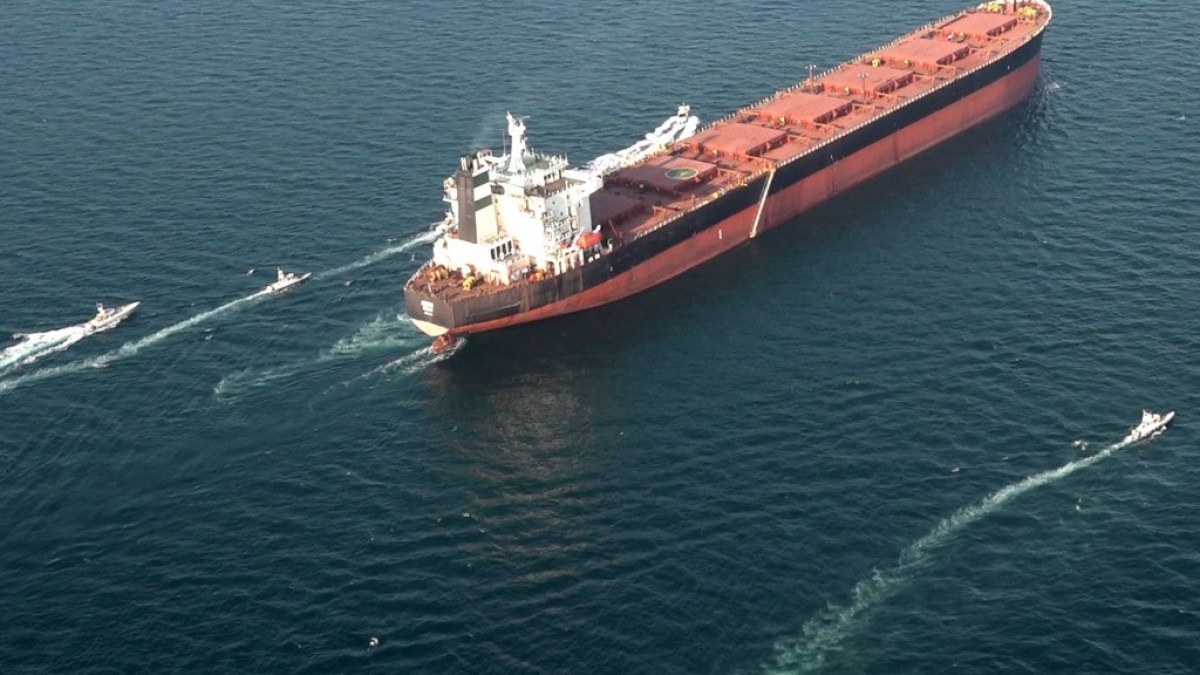
The Strait of Hormuz, a narrow waterway connecting the Gulf to open seas, plays a critical role in global energy trade. The strait, approximately 50km wide at its entrance and exit, handles about 20% of global oil supplies, with around 3,000 vessels passing through it each month. According to the US Energy Information Administration (EIA), nearly $500 billion in annual energy trade flows through the strait.
The waterway is a vital link for major Middle Eastern oil and gas exporters, who rely on it to move supplies to international markets, as well as importing nations that depend on its uninterrupted operation. The crude passing through the strait originates from Iran, Iraq, Kuwait, Qatar, Saudi Arabia, and the UAE.
In recent developments, Iranian authorities have announced temporary closures of sections of the Strait of Hormuz, conducting live-fire military drills in the corridor. This move has been seen as a warning about the economic consequences if the US proceeds with its threats to strike Iran. The strait’s narrow width makes it vulnerable to disruptions, and any prolonged closure could rattle producers and economies that depend on their exports.
The Strait of Hormuz also plays a critical role in the liquefied natural gas (LNG) trade, with roughly 20% of global LNG shipments passing through the corridor. Qatar accounts for the majority of these volumes, while Kuwait and the UAE import supplies sourced outside the Gulf.
International law allows states to exercise sovereignty up to 12 nautical miles from their coastlines, which gives Iran geographic leverage over the strait. The Iranian fleet includes fast boats equipped with antiship missiles, alongside surface vessels, semisubmersible craft, and submarines designed for asymmetric warfare.
The US has announced plans to deploy a nuclear-powered aircraft carrier, the USS Gerald R Ford, to the Gulf, marking one of the largest US military build-ups in the region since the 2003 invasion of Iraq. Any final decision on Iran’s response rests with Supreme Leader Ali Khamenei.
Source: Al Jazeera