US Oil Blockade Threatens Cuban Cigar Industrys Survival
April 15, 2026 • Al Jazeera
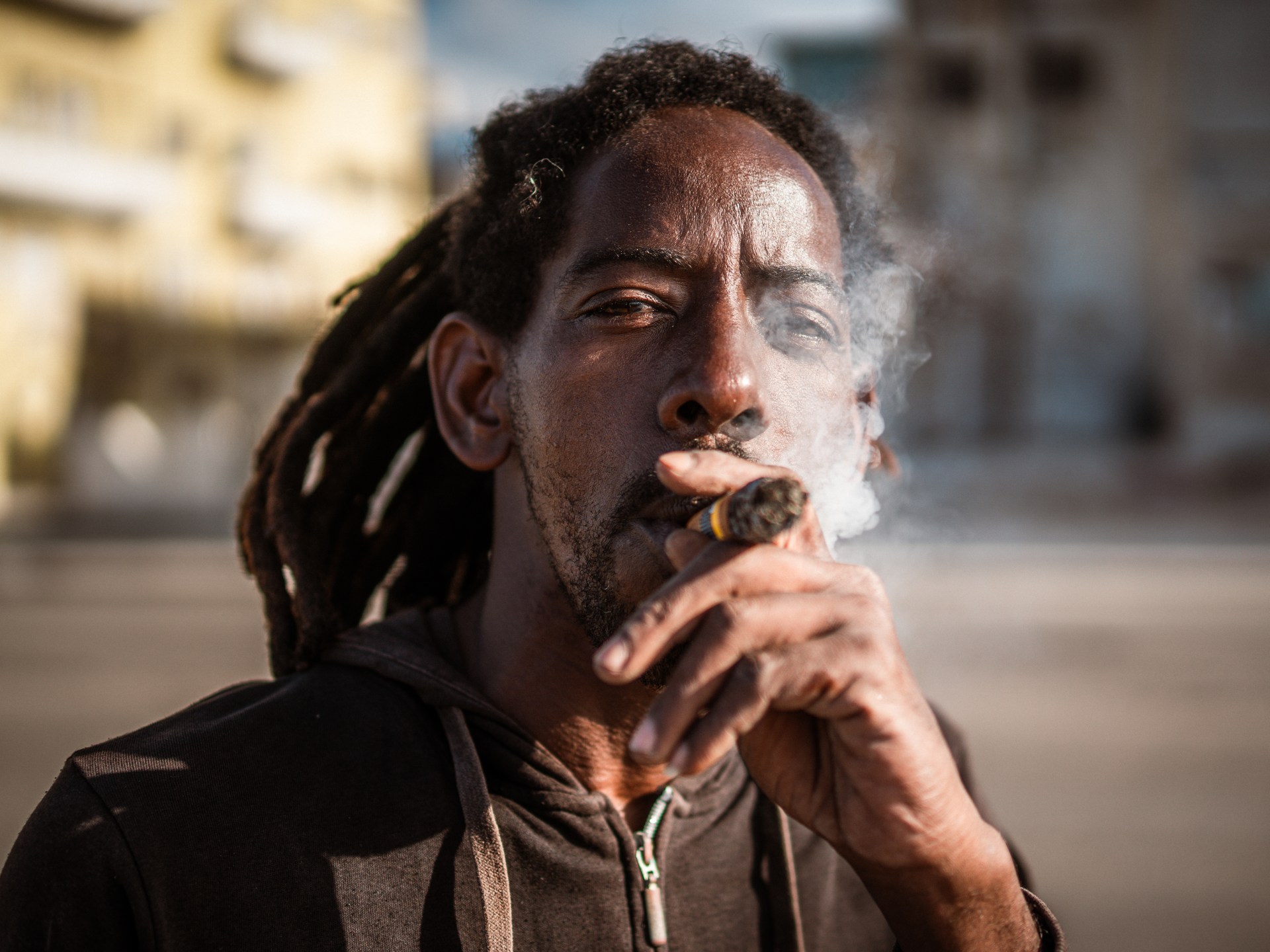
Cuba’s Cigar Industry Faces Uncertainty Amid US Oil Blockade
A shipment of premium cigars from Habanos has not arrived at Esteban García’s store in Old Havana for over a month. The store manager, who wishes to remain anonymous, attributes the delay to the ongoing oil blockade imposed by the US government. Prior to the pandemic, García’s shop received deliveries of Habanos three times a month.
The Cuban cigar industry is facing its greatest challenge yet due to the US oil blockade, which has reduced oil imports to nearly 60% of Cuba’s total crude supply since January. The blockade was implemented in response to US President Donald Trump’s threat of tariffs against countries supplying oil to Cuba and his order for Venezuela to stop shipments altogether.
The lack of oil has had significant repercussions on the island, including daily power outages and disruptions to the cultivation of tobacco crops. According to the Cuban government, 50% of tobacco fields in Pinar del Rio rely on electrified irrigation systems. Manufacturing has also been affected, with dried tobacco leaves being transported to Havana for hand-rolling in state-run factories.
The scarcity of petrol is making transportation difficult, and the lack of electricity to light the factories complicates production. The Cigar Association of Canada’s president, Sheldon Lloyd Smith, notes that fuel shortages, blackouts, and transport constraints are hindering factory operations.
Despite these challenges, tobacco remains Cuba’s top export, with record revenue reported in 2024. The demand for Cuban cigars is linked to their reputation as a symbol of luxury, which has been bolstered by the fact that they are illegal in the US due to a longstanding embargo.
Source: Al Jazeera