US-Philippines War Games Raise Concerns Over Regional Tensions and Security
May 23, 2026 • Al Jazeera
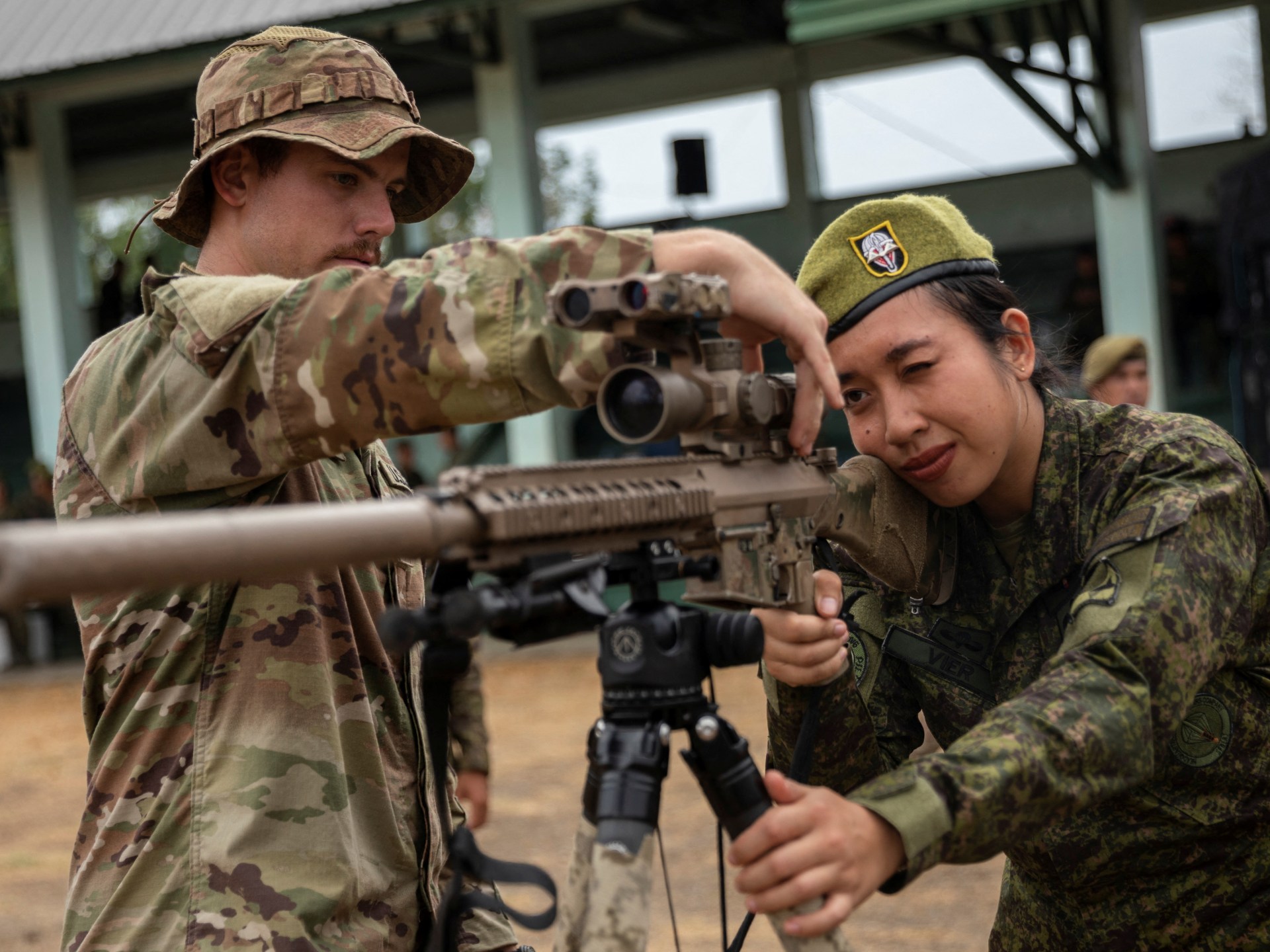
US-Philippines Military Cooperation Sparks Concerns Over Potential Target Status
A recent exercise in Ilocos Norte province has raised concerns among local residents and activists about the potential risks associated with US-Philippines military cooperation. Father Arvin Mangrubang, a local priest, expressed his feelings of unease during a recent encounter with a dozen armoured vehicles and trucks carrying US soldiers on a highway.
The annual Balikatan (Shoulder-to-Shoulder) joint exercises, which concluded recently, brought together over 17,000 soldiers from six countries, including the Philippines. The US military contingent was the largest, with more than 10,000 soldiers in attendance. Analysts believe that these war games may be seen as a provocation by China, given the current tensions between the US and Beijing.
Locally, fishing and farming communities have reported livelihood disruptions due to the drills. Activist groups, including Bayan, have expressed concerns about the potential risks associated with US military presence in the country. They argue that the exercises may be seen as a way for the US to boost its military capabilities in the region.
Protesters held demonstrations outside the Philippine military headquarters and the US Embassy in Manila during the start of the Balikatan exercises, citing fears that the Philippines could become a target in a future conflict. The protesters claimed that the US military presence increases the likelihood of avoidable deaths and destruction, including possible attacks from US adversaries.
In response to these concerns, Major-General Francisco Lorenzo Jr, local director of the Balikatan exercises, stated that the war games had no relevance for the ongoing US war against Iran. His US counterpart also denied that the manoeuvres presented a challenge to anyone, particularly China.
Source: Al Jazeera