US policy towards Iran risks unintended and potentially disastrous consequences
March 6, 2026 • Al Jazeera
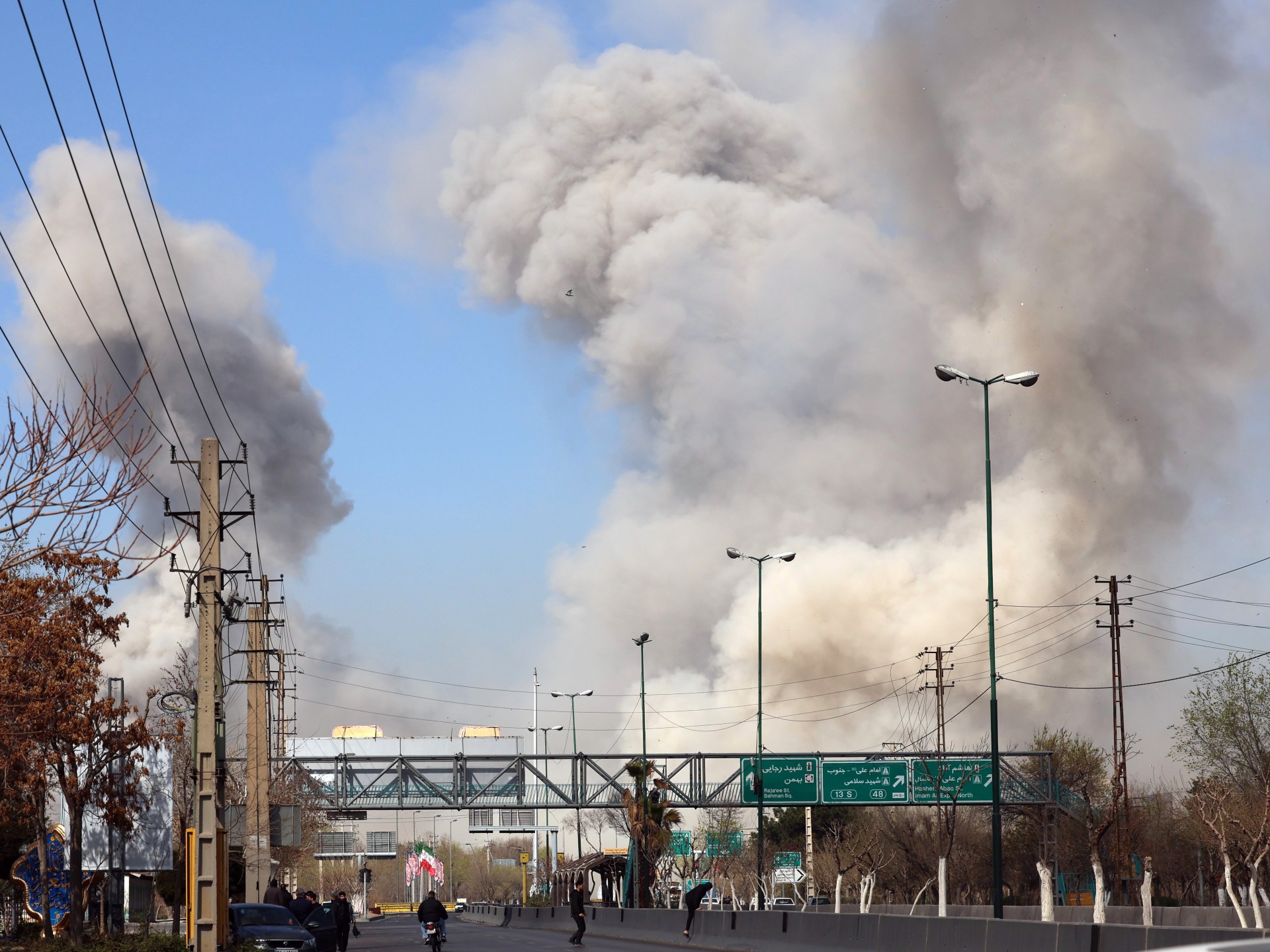
US Military Campaign Against Iran Raises Concerns Over Regional Instability and Global Economic Impact
A recent military campaign against Iran has sparked concerns among experts about the potential for internal fragmentation, regional instability, and global economic shock. The US and Israeli governments argue that weakening Tehran by degrading its missile capabilities, crippling its navy, and reducing its ability to project power through regional allies will make the Middle East safer.
However, this strategy is based on an assumption that a weaker Iran would produce a more stable region. In reality, destabilizing one of the Middle East’s largest and most strategically important states could unleash forces far more dangerous than the status quo.
According to briefings provided to congressional staff in Washington, DC, there was no intelligence suggesting Iran was planning to attack the US. Despite this, military escalation continues, with policymakers believing that weakening Iran will ultimately serve US interests.
If this assumption proves wrong, the consequences could be severe. One potential danger is internal fragmentation, as Iran’s population is ethnically diverse and has a history of political tension or insurgency. A strong central state has largely kept these fault lines contained, but if Iran’s governing structures weaken significantly, those tensions could intensify.
The country’s collapse would produce an even more dangerous scenario, with its population being far larger than that of Iraq, Libya, or Syria, and its territory bordering multiple conflict-prone regions. The emergence of armed factions, ethnic militias, or insurgent groups inside Iran could quickly transform the country into another arena of prolonged instability.
Such instability would not remain local, as Iran sits at the heart of the Gulf, one of the world’s most strategically important energy corridors. Disruptions to shipping lanes, attacks on tankers, or attempts to block access to the Strait of Hormuz could disrupt global oil supplies and lead to higher energy prices, affecting everything from transportation costs to inflation.
The strategic consequences would extend further, as Iran currently serves as a central node in a network of regional alliances and proxy groups. If the Iranian state weakens dramatically, that structure could fragment, with potential implications for global stability and security.
Source: Al Jazeera