US Representative: Pakistans Missiles Pose Future Threat to the United States
March 19, 2026 • Al Jazeera
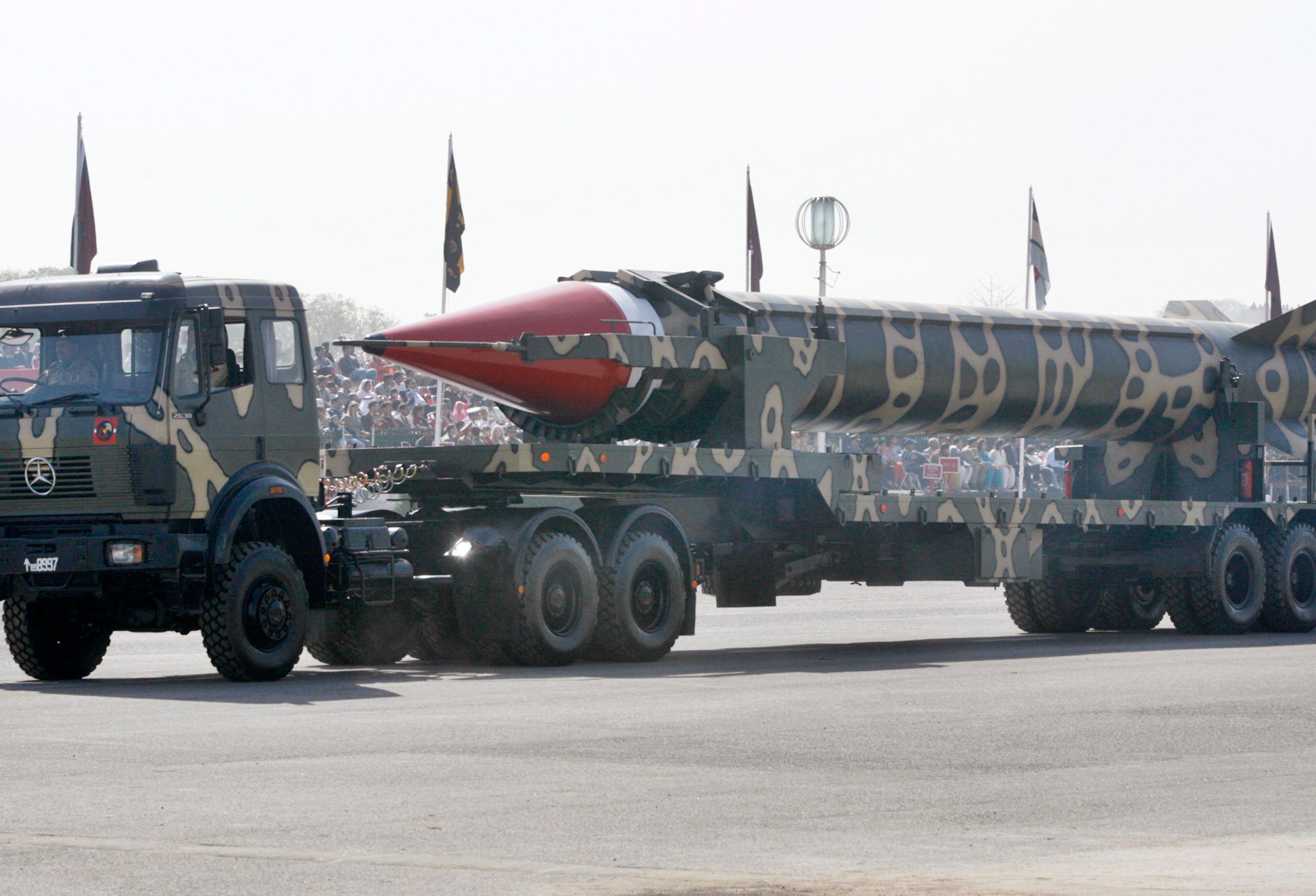
US Intelligence Official Cites Pakistan as Country with Advancing Missile Capabilities
The United States has identified Pakistan as one of five countries whose missile development could potentially pose a threat to US territory. Director of National Intelligence Tulsi Gabbard presented the 2026 Annual Threat Assessment before the Senate Intelligence Committee on Wednesday, stating that Pakistan is “researching and developing an array of novel, advanced or traditional missile delivery systems with nuclear and conventional payloads.”
According to the assessment, Pakistan’s long-range ballistic missile development could include intercontinental ballistic missiles (ICBMs) capable of striking targets beyond South Asia. The report also notes that Pakistan continues to develop sophisticated missile technology, which could potentially challenge US missile defenses.
The assessment places Pakistan across multiple threat categories, including missiles and weapons of mass destruction. It warns that India-Pakistan relations remain a risk for nuclear conflict, citing the 2022 Pahalgam attack in Indian-administered Kashmir as an example.
Pakistan’s Ministry of Foreign Affairs has not issued a formal response to Gabbard’s testimony. Tughral Yamin, a former army brigadier and specialist on arms control and nuclear affairs, stated that similar concerns have been raised by US officials in the past. He noted that Pakistan’s deterrence capabilities are primarily directed against India.
Experts question the logic of the US intelligence assessment, citing Pakistan’s longest-range operational missile, the Shaheen-III, which has an estimated range of approximately 2,750km. This range is sufficient to cover all of India, but not sufficient to reach US shores. The distance between the two countries exceeds 7,000 miles.
The report projects that threats to the US homeland could expand from over 3,000 missiles today to at least 16,000 by 2035.
Source: Al Jazeera