US Supreme Court Limits Trumps Tariff Powers
February 21, 2026 • Al Jazeera
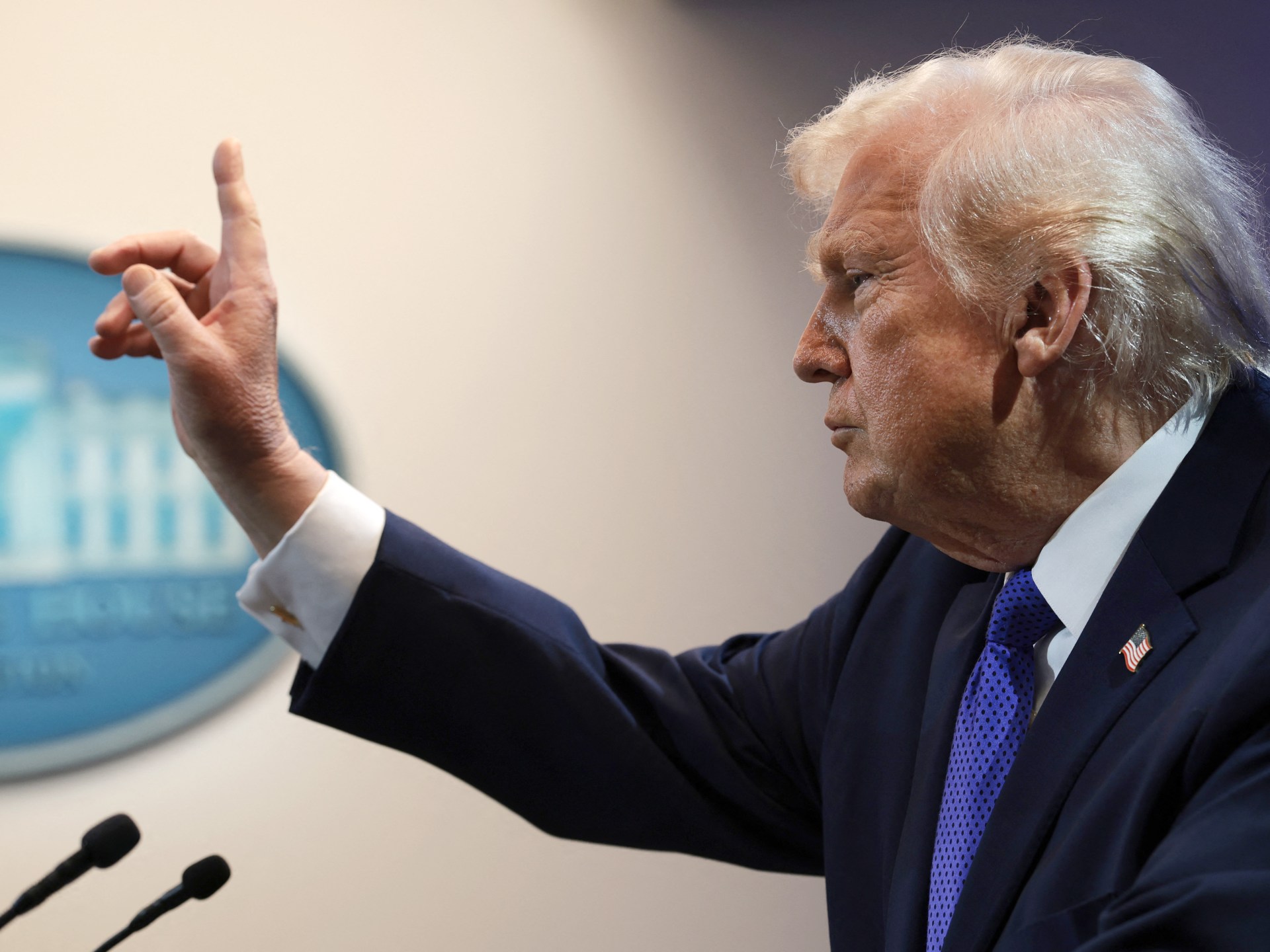
US President Donald Trump has announced a new 10 percent worldwide tariff, effective immediately, following the US Supreme Court’s decision to strike down his previous trade measures. The ruling has triggered responses from governments and markets worldwide.
On Friday, Trump shared the news on his social media platform, Truth Social, stating that he had signed an executive order to impose the global tariff. The court’s decision and Trump’s new tariffs have raised questions about ongoing agreements, tariff reductions, and the legality of past duties.
Countries are now evaluating how the new levy will affect key industries, investment plans, and trade negotiations. Analysts warn that uncertainty may persist until legal and trade frameworks are clarified.
The South Korean government has released a statement, indicating it will review its trade deal with the US. The agreement, signed in November last year, lowered tariffs from 25 to 15 percent in exchange for $350 billion in cash and investments from South Korea in the US. Industry experts note that major South Korean companies in chemicals, pharmaceuticals, and semiconductors may still face higher tariffs under Section 122.
Exports account for 85 percent of South Korea’s gross domestic product, with the US as its second-largest market. Officials have stated that rapid changes could jeopardize major agreements, including a recent multibillion-dollar shipbuilding deal with the US.
India has faced some of the highest US tariffs under Trump’s previous use of emergency trade powers. The country and the US reached a framework trade deal earlier this month, which includes reduced tariffs on certain goods. However, critics argue that India should have waited for the US Supreme Court decision before finalizing the interim trade deal.
The Indian government has welcomed the reduction of tariffs to 18 percent and the removal of penal duties on Russian imports. Nevertheless, uncertainty remains over negotiations, as the Supreme Court ruling affects the legal basis of past tariffs.
Source: Al Jazeera