Venezuelas Interim Government Survives Under Strict Oil Oversight Regime
February 6, 2026 • Al Jazeera
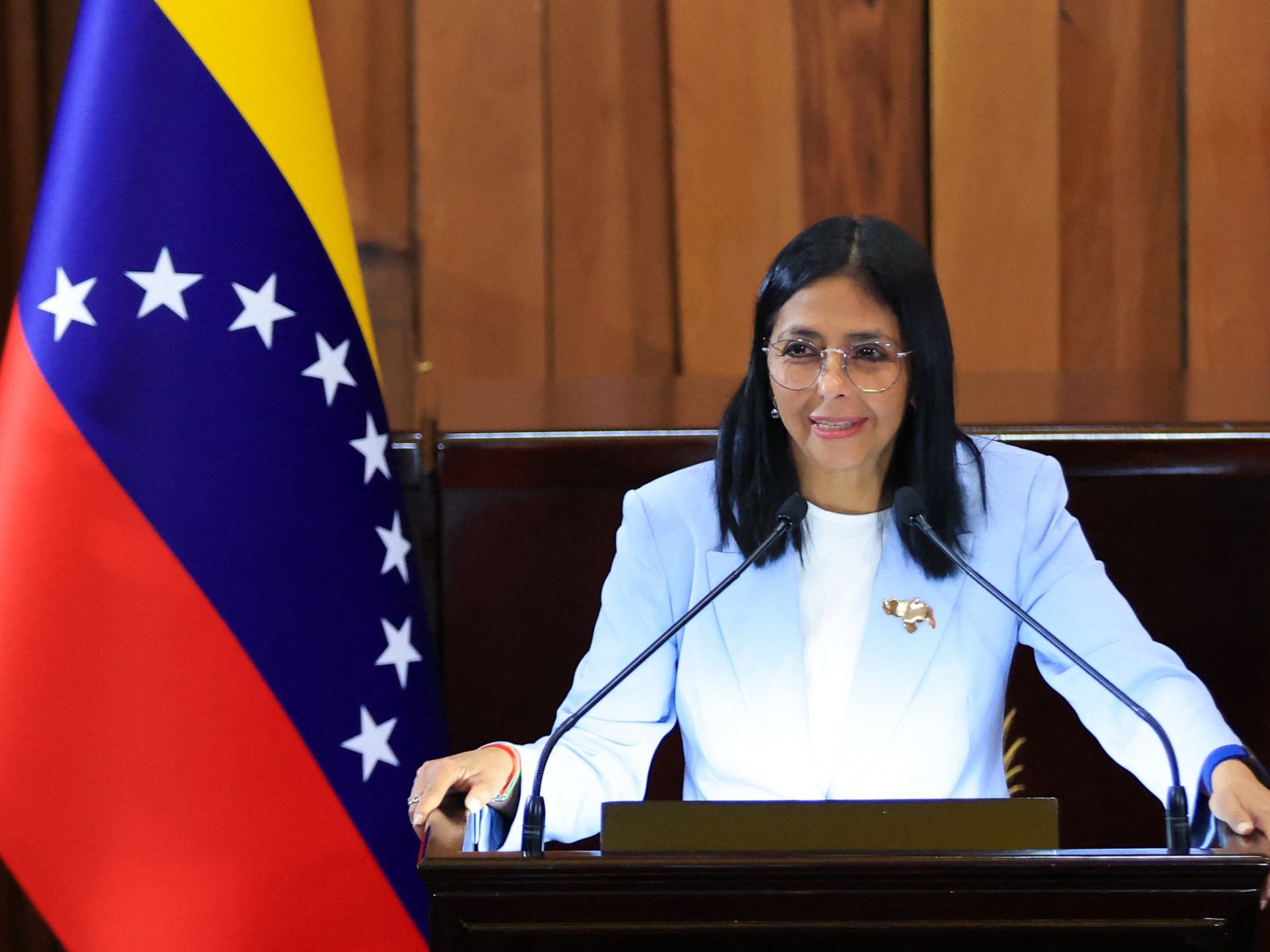
Venezuela’s Government Continues Operations Amidst Political Changes
The Venezuelan government has received $500 million from its first oil sale under a US-brokered agreement, providing a financial lifeline for the country’s struggling economy. The deal was reached last month and provides for the payment of public sector salaries and essential services through a restricted account in Qatar, subject to US approval.
Following the US military abduction of President Nicolas Maduro on January 3, 2026, acting President Delcy Rodriguez has proposed reforms to Venezuela’s hydrocarbons law, aiming to attract foreign investment by easing restrictions. US Energy Secretary Chris Wright plans to visit Venezuela soon to meet with leadership and assess oil and gas operations.
The Supreme Tribunal of Justice declared Maduro’s capture a “forced absence” and appointed Rodriguez as acting president. While she has condemned the US action as an “illegal kidnapping,” she has signaled willingness to cooperate with Washington, including proposing reforms to attract foreign investment in the oil sector.
Domestically, Rodriguez announced a mass amnesty bill aimed at releasing political prisoners and plans to repurpose the notorious El Helicoide prison into a community center. Critics argue that these measures may not address Venezuela’s structural problems, raising questions about the interim government’s long-term legitimacy and direction.
The Venezuelan government is led by a “civic-military” alliance, with power concentrated in this coalition rather than a single office-holder. The business sector has also played a significant role, with many business leaders rallying behind Rodriguez before she assumed the interim presidency.
Venezuela has the world’s largest proven oil reserves, estimated at 303 billion barrels. Oil remains one of its main sources of income, and the government’s fiscal survival depends primarily on hydrocarbons. The current financial control mechanism operates through several stages, from oil extraction to final disbursement of funds, with payments going through US-supervised channels and deposited into a restricted account in Qatar.
Key figures forming Rodriguez’s government include Pina, who has noted that business leaders have positioned themselves as a “shadow power” behind the interim president. Analysts like Salvador Santino Regilme say that real power resides within the governing coalition rather than a single office-holder.
Source: Al Jazeera