Volunteers step in to fill humanitarian gap in war-torn Sudan
February 24, 2026 • Al Jazeera
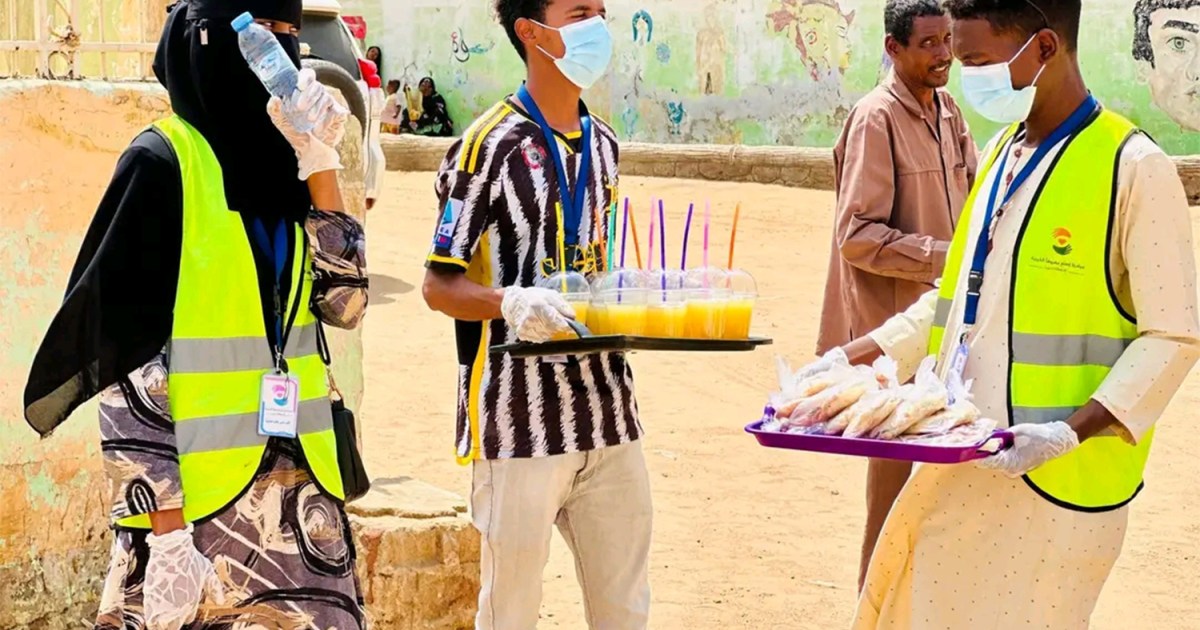
Volunteers in Sudan Struggle to Fill Aid Gap
A woman and her three children arrived in the city of Kosti last week, seeking shelter and assistance after fleeing the capital of Kadugli due to escalating fighting in South Kordofan state. Noha Kamal, a 34-year-old diabetic mother of three, was accompanied by her seven-year-old daughter Ihsan, newborn twins, and limited resources.
Kamal expected to find a United Nations reception center in Kosti that would provide shelter, food, and medicine. Instead, she was led to a government school converted into a temporary shelter, run by a neighborhood committee funded by Sudanese expatriates in Saudi Arabia, Kuwait, and Qatar.
The neighborhood committee, known as For Cost, has taken over support for displaced Sudanese since the start of civil war in 2023. Local volunteer groups, including For Cost, have established hundreds of committees across the country to provide shelter and food for millions of people affected by the conflict.
Kamal stated that before leaving Kadugli, she had heard that aid agencies were providing assistance to displaced individuals fleeing to cities like Kosti. However, she expressed concern about accessing basic necessities due to her limited resources.
The situation in Sudan has worsened since international humanitarian support began to decline. The United Nations reported a significant reduction in funding for its 2026 humanitarian appeal, citing steep cuts by Western donors including the United States.
According to the UN, more than half of Sudan’s population is hungry, and famine is spreading. Displacement continues to push families into urban centers already over capacity. For Cost estimates that between 300 and 400 families benefit daily from its meals provided. The organization has also conducted health awareness campaigns, reaching over 1,600 girls in October 2025.
Funding for For Cost comes from private contributions, primarily from Sudanese expatriates in Saudi Arabia, Kuwait, and Qatar.
Source: Al Jazeera