Yemen faces severe food shortages, requiring immediate international assistance measures
March 14, 2026 • Al Jazeera
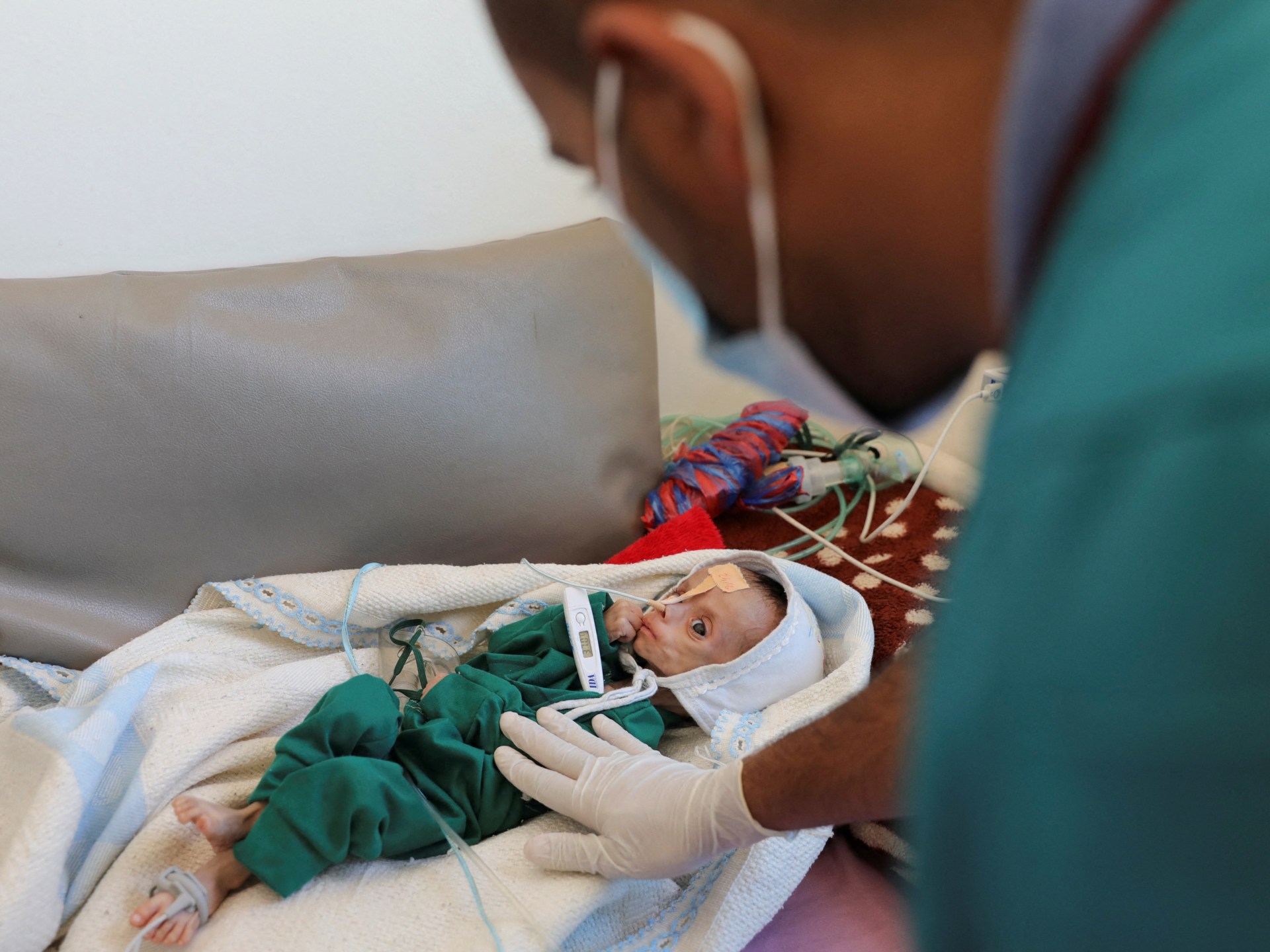
Yemen Faces Worst Food Security Outlook in Years
A recent survey conducted by the International Rescue Committee (IRC) has found that nearly 18 million Yemenis, or over half the population, are projected to face worsening levels of food insecurity by early 2026. This represents a significant increase from previous projections.
According to the IRC’s findings, families across the country are struggling to access basic necessities, with nearly every respondent identifying food as their most urgent need. The survey also revealed that almost 80 percent of families reported severe hunger.
The Integrated Food Security Phase Classification (IPC) has warned that another one million people are currently at risk of slipping into life-threatening hunger, classified as IPC Phase 3+. This classification indicates that families are routinely missing meals, relying on debt, and selling off essential items to buy food.
Pockets of famine affecting over 40,000 people are expected to emerge across four districts within the next two months, marking Yemen’s bleakest food security outlook since 2022. In some areas, meals have become a daily ration of bread and water, while others see adults going without food so their children can eat.
The humanitarian response in Yemen has been severely impacted by reduced funding, with lifesaving nutrition assistance receiving only 10 percent of the required funding by the end of 2025. This has resulted in critical services being halted, including therapeutic feeding centres and clinics.
Climate change and conflict have further exacerbated the crisis, reducing agricultural productivity and making it difficult for families to access basic necessities. Yemen’s reliance on imports for staple grains has also made it vulnerable to supply chain disruptions.
The IRC has seen firsthand the devastating consequences of reduced aid funding, with a significant decrease in the number of people reached by critical services. The organization is urging increased support to address the growing humanitarian crisis in Yemen.
Source: Al Jazeera