Yemens Army Faces Financial Struggles Amid Wages Delayed for Soldiers
May 10, 2026 • Al Jazeera
Yemeni Army Personnel Face Financial Strains Amid Delayed Salaries
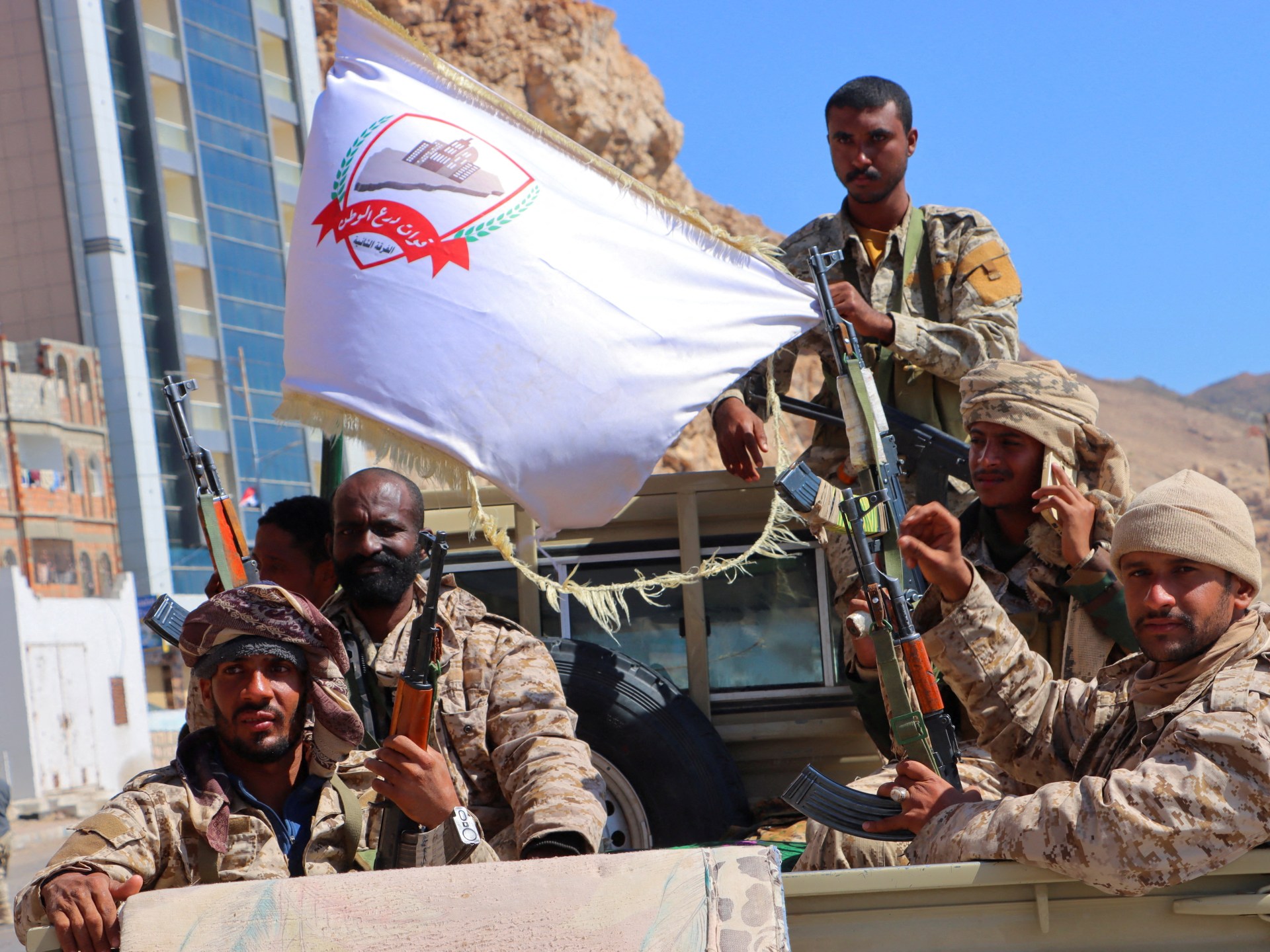
Soldiers at a military facility in Marib, Yemen, are facing financial difficulties due to delayed salary payments. The army’s monthly budget is approximately 36 billion riyals, with about 17 billion allocated to the Fourth Military Region based in Aden.
According to sources, soldiers earn between $38 and $116 per month, but an unstable currency erodes the value of their salaries. The government has promised to pay arrears by Eid al-Adha, a Muslim holiday scheduled for late May, but delays have occurred in the past.
The army’s size is estimated to be around 180,000 to 220,000 personnel, with only about 30 to 40 percent serving on the front lines. The rest are in support roles or on guard duty. One officer stated that his soldiers last received their salaries in December, despite promises from the government.
The government has been fighting the Houthi rebels since 2014, and the war has caused financial difficulties for both sides. Both parties have targeted each other’s main sources of revenue, leaving them strapped for cash and struggling to pay government salaries and fund basic services.
Some military formations operate outside the umbrella of the Ministries of Defence and Interior, with higher salaries and more consistent payments. For example, fighters in the Security Belts earn up to $320 per month.
The delayed wage payments highlight two challenges facing the Yemeni military: one regarding the cost of living and another about how resources are distributed. Experts believe that the situation could lead to soldiers joining irregular military formations, where regular payments would be guaranteed, potentially impacting discipline within the ranks.
The ongoing conflict has exacerbated Yemen’s humanitarian crisis, with high unemployment rates and a plummeting value of the rial putting pressure on soldiers even when they are paid. Traders in affected areas also rely on soldiers’ spending their salaries locally, resulting in slower economic activity.
Source: Al Jazeera