African Governments Urged to Act Swiftly on Fertiliser Shortages
April 25, 2026 • Al Jazeera
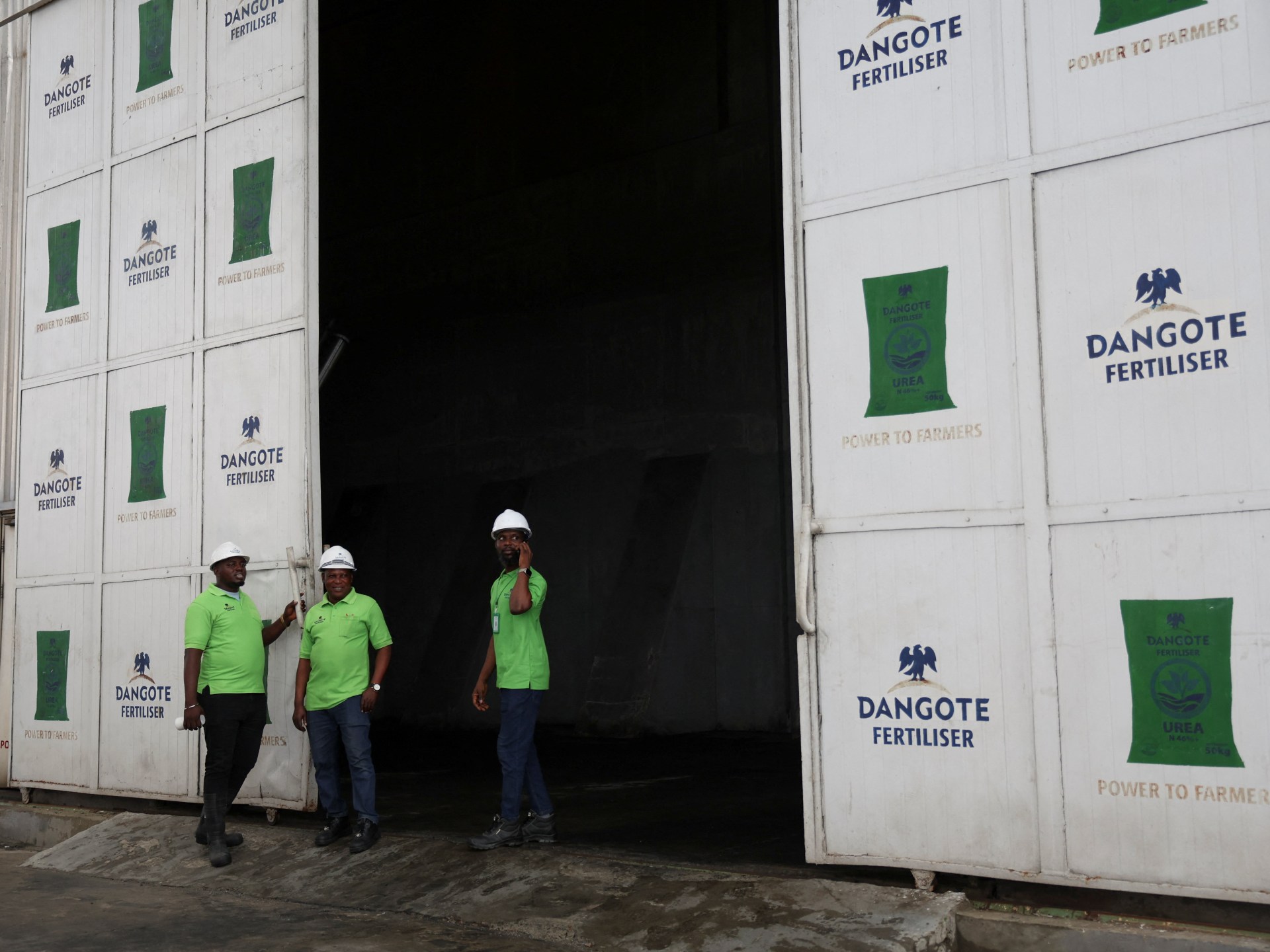
African States Face Fertilizer Shortages Due to Strait of Hormuz Uncertainty
The Strait of Hormuz has become a focal point for global fertilizer trade disruptions, threatening food security in Africa. The conflict between the United States, Israel, and Iran is affecting the flow of fertilizers essential for African farmers.
According to recent data, approximately 25% of global ammonia trade and over 30% of seaborne urea pass through the Strait of Hormuz. Any perceived risk can lead to increased fertilizer prices, halted shipments, and significant price inflation. This issue is not new; previous disruptions during the COVID-19 pandemic and the war in Ukraine have highlighted the reliance on a few export hubs and bottlenecked transport routes.
In sub-Saharan Africa, 80% of fertilizers used are imported at higher prices than those in Europe due to freight, financing, and logistics costs. When global supply falters, African farmers often bear the economic shocks. Smallholder farmers, who produce nearly 70% of sub-Saharan Africa’s food, face limited fertilizer options or steep price hikes.
The Food and Agriculture Organization estimates that a 10% reduction in fertilizer availability could lead to up to 25% less maize, rice, and wheat production in sub-Saharan Africa, triggering potential food inflation of up to 8%. To address this issue, the African Development Bank Group launched the $1.5 billion African Emergency Food Production Facility in 2022.
The facility has supported nearly 16 million smallholder farmers in 35 countries with climate-smart seeds and fertilizers, generating 46 million tonnes of food worth approximately $19 billion. The initiative is now rolling out a second phase to consolidate long-term national food sovereignty.
African policymakers, partners, and allies can take several steps to mitigate the risks associated with the Strait of Hormuz conflict. These include strengthening market intelligence, coordinating regional procurement and buffer stocks, and partnering with major fertiliser producers. By taking these measures, African states can build resilience against fertilizer flow uncertainty in the Strait of Hormuz.
Source: Al Jazeera