Bangladesh restricts university operations and limits fuel sales amid regional conflict
March 9, 2026 • Al Jazeera
Bangladesh Closes Universities Amid Energy Crisis
The government of Bangladesh has announced that all public and private universities across the country will be closed from Monday, ahead of the Eid al-Fitr holidays. The decision was made as part of emergency measures to conserve electricity and fuel, which have been disrupted due to the ongoing conflict in the Middle East.
According to officials, the closure of universities will help reduce electricity consumption and ease traffic congestion, resulting in fuel wastage. University campuses consume large amounts of electricity for residential halls, classrooms, laboratories, and air conditioning.
The Ministry of Education stated that the decision was taken considering the current global situation. Government and private schools are already closed for the Islamic holy month of Ramadan, meaning most educational institutions across the country will remain shut during this period.
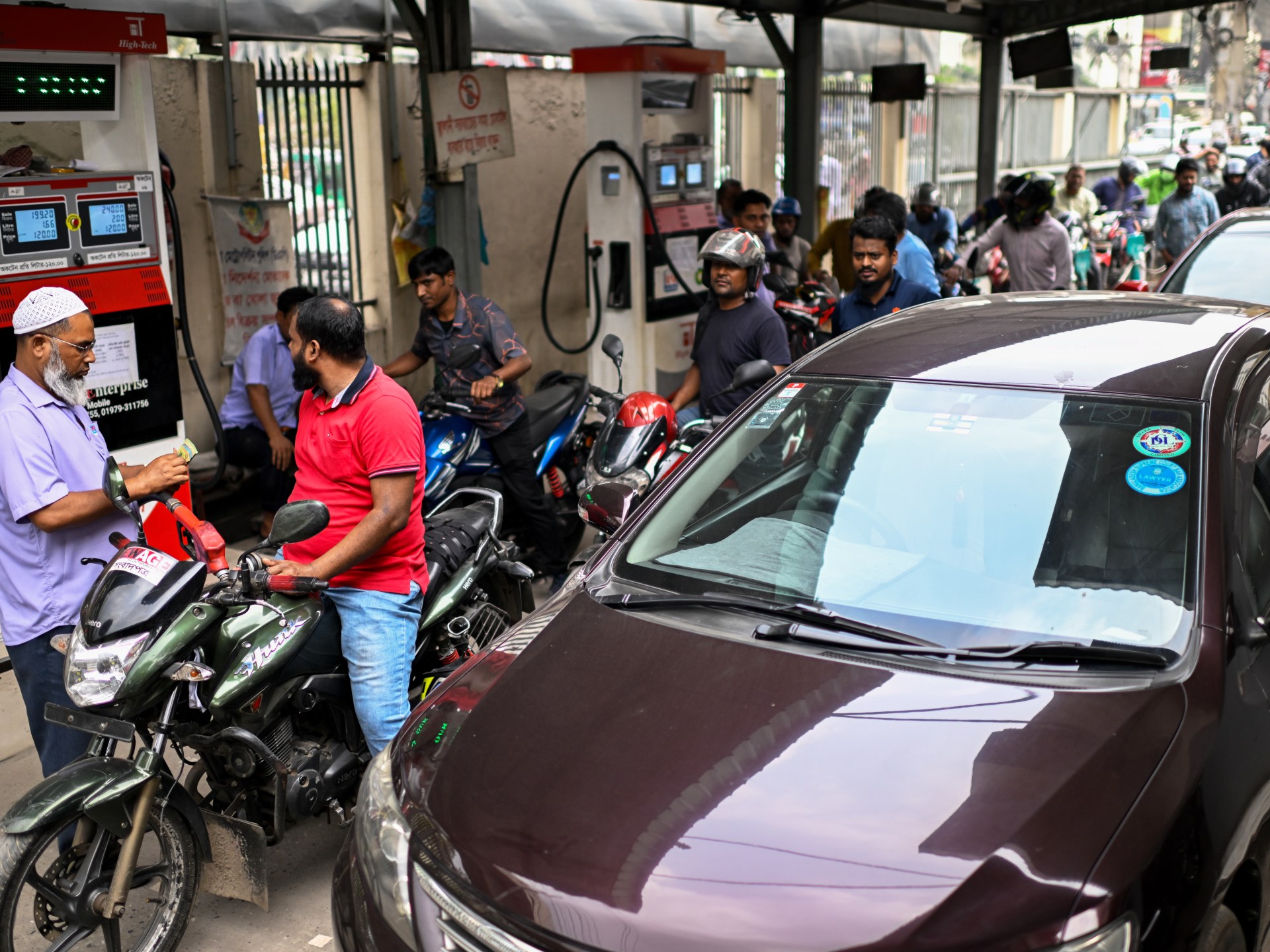
In addition to university closures, the government has also imposed daily limits on fuel sales after panic buying and stockpiling. Foreign-curriculum schools and private coaching centres have been asked to suspend operations to limit electricity use.
The government has issued guidelines encouraging institutions and offices to use electricity more efficiently, including maximising natural daylight and minimising unnecessary lighting and power consumption.
Bangladesh relies on imports for 95% of its energy needs, which have been disrupted due to the conflict in the Middle East. The country has also bought liquefied natural gas (LNG) from the spot market at sharply higher prices while seeking additional cargoes to bridge supply gaps.
Energy analysts say that such steps can offer short-term relief for the power sector while authorities work to stabilise fuel imports and manage distribution. However, prolonged interruptions to the academic calendar could create challenges for students if the energy crisis continues.
Source: Al Jazeera