Bangladeshis vote in historic election following Hasinas removal from power
February 12, 2026 • Al Jazeera
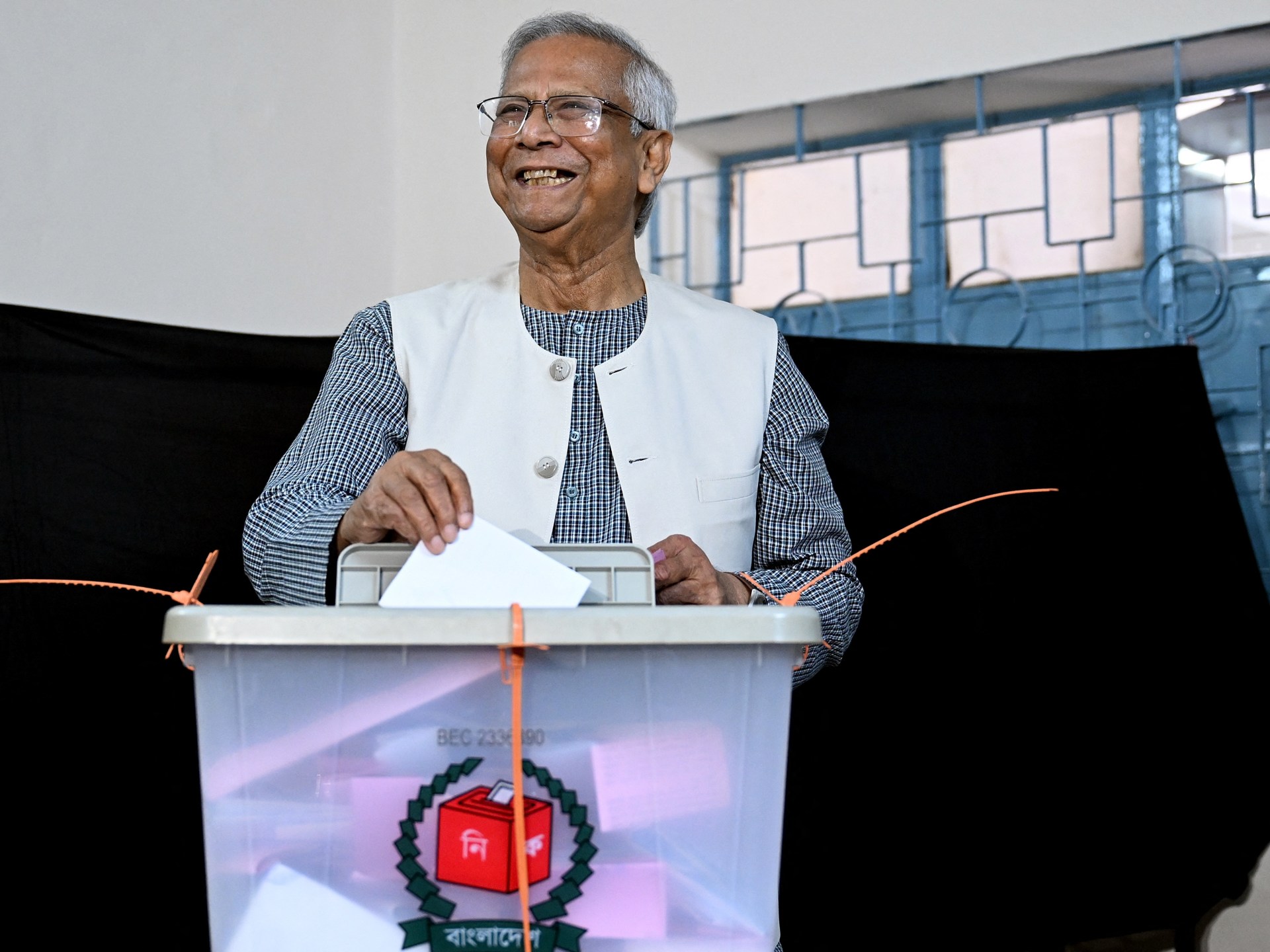
Bangladesh Holds Parliamentary Elections Amid Historic Significance
Over 127 million eligible voters participated in parliamentary elections across Bangladesh, marking a pivotal moment for the nation’s democracy. The polls began gradually filling up with voters by mid-morning in the capital city of Dhaka and throughout the country.
The election is being held after a period of significant political upheaval and violence, following the ouster of former Prime Minister Sheikh Hasina’s government in 2024. Hasina fled to India and remains in exile, while her party has been barred from participating in the election. She has been sentenced to death in absentia for the crackdown.
Tarique Rahman of the Bangladesh Nationalist Party (BNP) is emerging as a frontrunner to form the next government. Rahman, son of former Prime Minister Khaleda Zia, returned to Bangladesh in December after 17 years of self-imposed exile in London. He has committed to strengthening democratic institutions and addressing the country’s economic challenges.
An 11-party coalition led by Jamaat-e-Islami is competing against the BNP. The party, previously banned under Hasina, has gained significant influence since her ouster. After voting, Jamaat-e-Islami leader Shafiqur Rahman expressed confidence in the election process, stating that it was a turning point for the country.
The election is being overseen by an interim government led by Nobel Peace Prize laureate Muhammad Yunus, which has promised a fair and transparent process. Approximately 500 international observers and foreign journalists are monitoring the proceedings, including delegations from the European Union and the Commonwealth.
Bangladesh’s 350-seat Parliament includes 300 directly elected representatives and 50 seats reserved for women. The recent postponement of voting in one constituency following a candidate’s death leaves 299 seats being contested. The outcome could fundamentally reshape Bangladesh, whose post-independence history has been defined by entrenched political parties, military interventions, and contested elections.
Young voters, including five million first-time participants who were instrumental in the 2024 uprising, are expected to significantly influence results.
Source: Al Jazeera