BJPs Bengal Victory Raises Concerns Over Indias Democratic Stability
May 8, 2026 • Al Jazeera
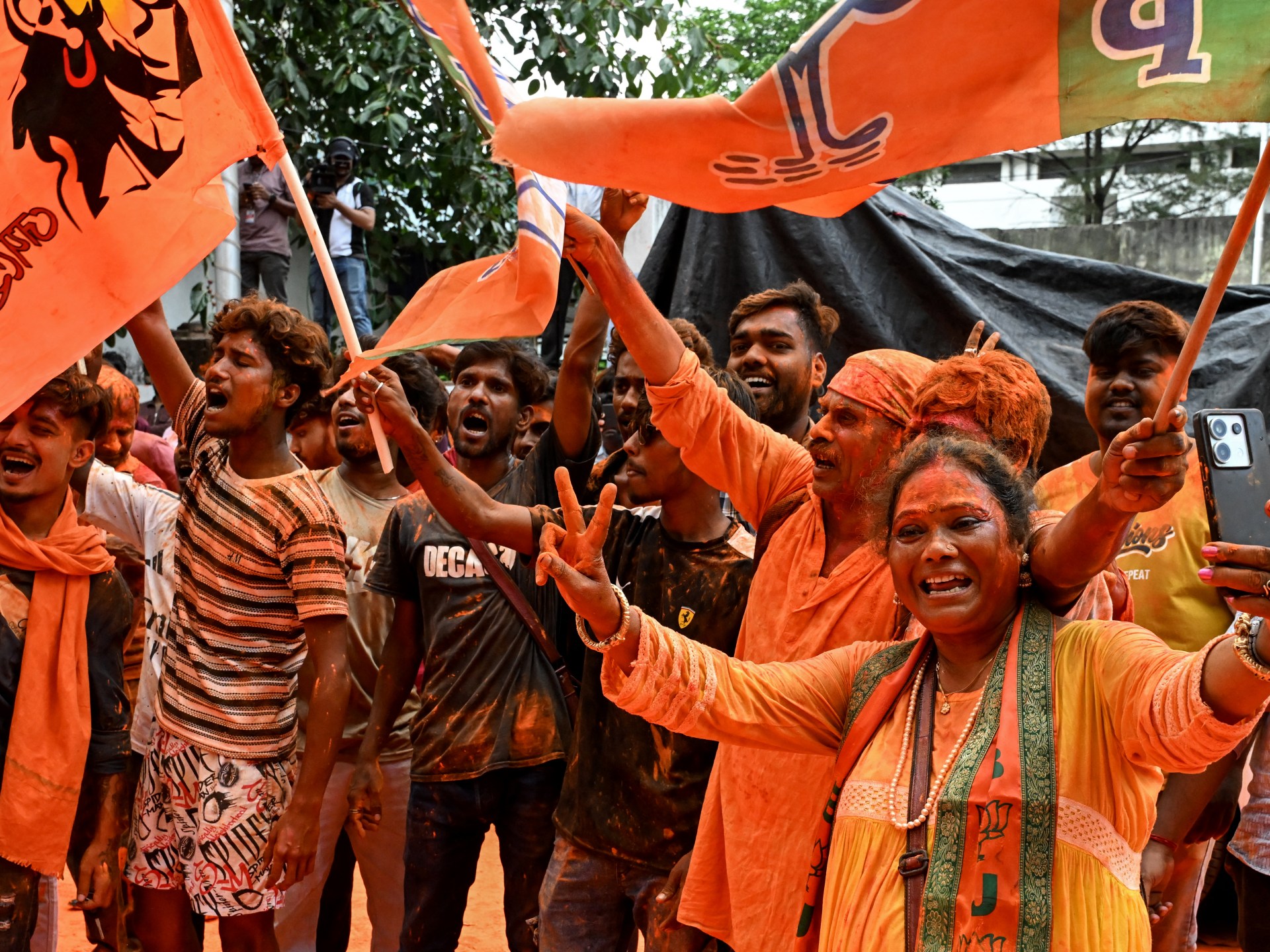
Here is a rewritten version of the news article in a neutral style:
A significant revision of voter rolls has taken place in India, affecting millions of citizens and sparking concerns about the electoral process. The Election Commission of India (ECI) conducted a “Special Intensive Revision” (SIR) exercise to remove duplicate, deceased, or ineligible voters from the electoral rolls. The exercise targeted nearly 12% of the electorate across West Bengal, with over nine million names being flagged for removal or scrutiny.
The SIR process disproportionately affected certain groups, including Muslims, migrant workers, and poorer voters in districts where the BJP has historically struggled to win elections. In many constituencies won by the BJP, the number of deleted or disputed voters exceeded the margin of victory.
The implications of this exercise are being closely watched, with some questioning the integrity of the electoral process. The ECI maintains that the exercise was necessary to remove duplicate or fraudulent entries, while the BJP has framed it as an attempt to eliminate “illegal infiltrators”, particularly alleged undocumented Muslim migrants from Bangladesh.
The 2026 election in West Bengal is seen as a significant test of India’s electoral system, with many considering it a referendum on the state government and the country’s democratic institutions. The controversy surrounding the SIR process has raised concerns about the burden of proof for voting eligibility, which was shifted to citizens themselves for the first time since India adopted universal adult suffrage in 1951-52.
The exercise had a disproportionate impact on migrant workers, who struggled with inconsistencies in documentation and tight deadlines. Many were unable to return home within the verification windows, while others faced difficulties with spelling errors, missing legacy documents, or discrepancies between official records. These issues were particularly acute among Muslims and poorer women.
Source: Al Jazeera