Colonial Nostalgia in the West Sparks Debate Over Historical Context
February 23, 2026 • Al Jazeera
Global Power Shifts: Efforts to Reconcile Colonial Past
A concerted effort is underway to reevaluate the colonial past and its impact on global governance. The “rules-based order” established by Western nations has been a cornerstone of international relations for decades, but its origins are rooted in colonialism. Many of its systems reflect racial inequalities and injustices inflicted upon colonized populations.
Historically, the West presented itself as a savior, transforming from a colonial villain to a benevolent force. However, for many countries in the Global South, this narrative was far from accurate. The era was marked by genocide, plunder, displacement, and suppression of local systems and industries.
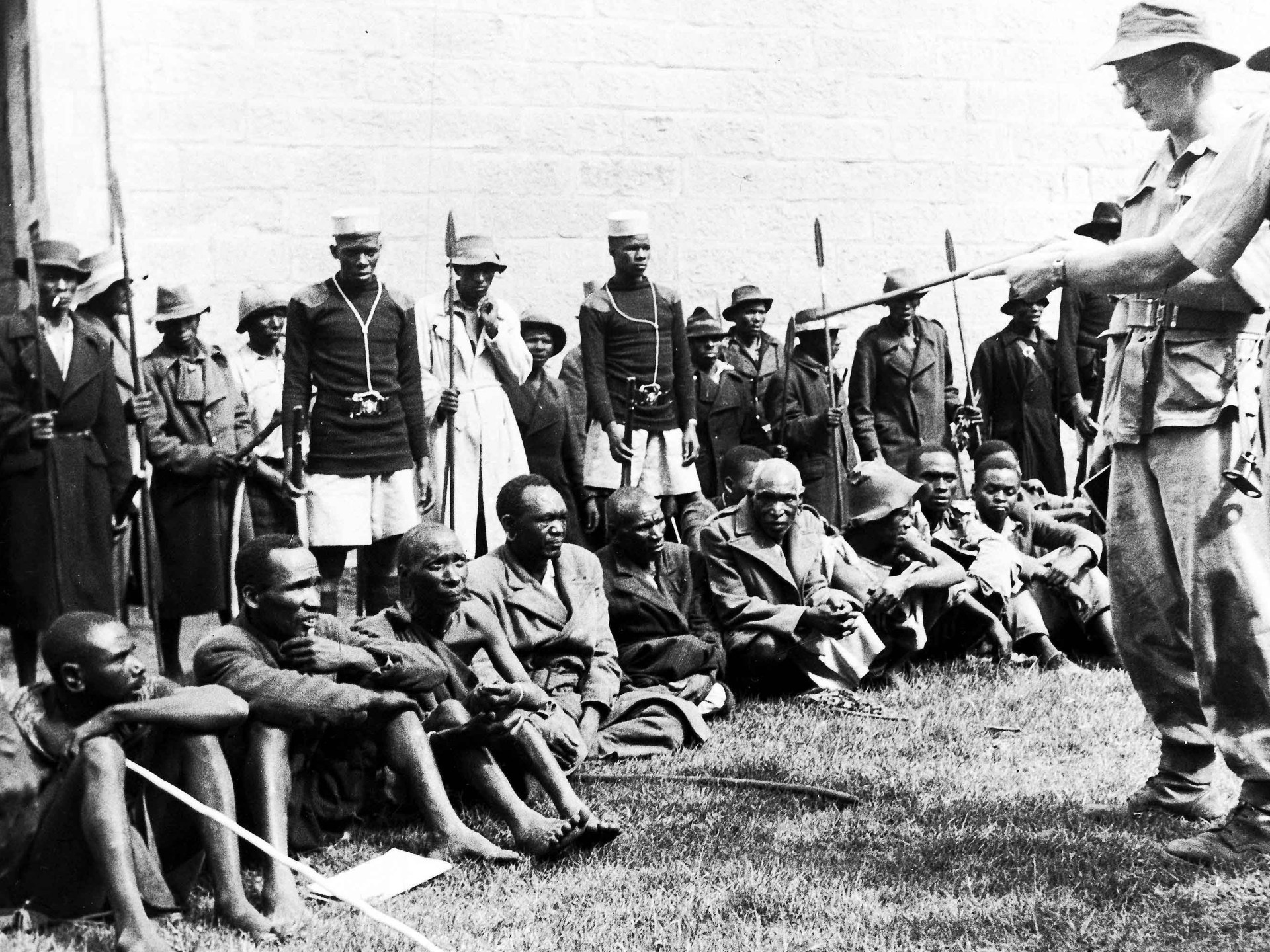
In recent years, demands have grown for a more nuanced understanding of the West’s role in shaping global history. This has led to increased recognition of historical crimes and calls for recompense. Governments have made some efforts to acknowledge their past wrongdoings, such as Kenya’s admission of British torture camps during the 1950s independence struggle.
However, there is also a growing backlash against what is perceived as “white guilt” and a renewed emphasis on colonial revisionism. Some politicians and international leaders have praised the pre-1945 imperial order, framing it as an era of prosperity and moral leadership. This perspective has been echoed in speeches at international forums, such as the Munich Security Conference.
These efforts aim to rehabilitate the colonial past and promote a new narrative that reframes Western dominance as benevolent stewardship rather than exploitation. The goal is to move away from the current “rules-based order” and towards a more equitable system where power is not solely based on might.
Source: Al Jazeera