Countries with highest petrol prices since Iran-Iraq War identified
March 11, 2026 • Al Jazeera
Here is the rewritten article in a neutral newsroom style:
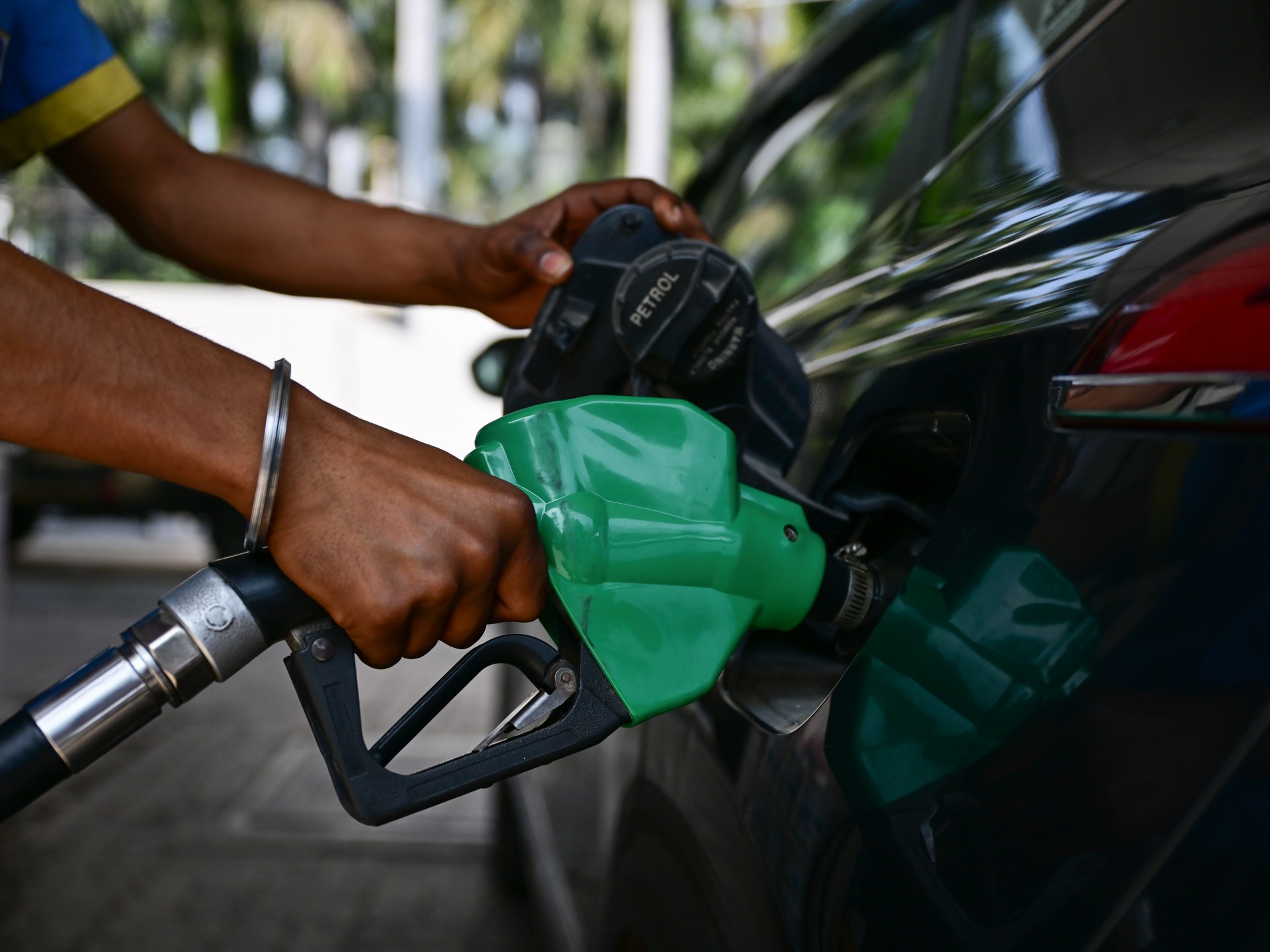
At least 85 countries have reported increases in petrol prices since the US and Israel’s attacks on Iran began on February 28. The price of regular petrol has risen sharply globally, with significant increases observed in various regions.
In the United States, the average price of a gallon of regular petrol increased from $2.94 in February to $3.58, representing a 20% rise. Several US states have surpassed $4 per gallon, with California reaching its highest level since 2021 at over $5 per gallon.
According to data from Global Petrol Prices, which tracks retail energy prices across approximately 150 countries, at least 85 countries have reported increases in petrol prices following the initial attacks on Iran. Some countries may not announce price changes until the end of each month, resulting in expected higher prices for others in April.
Notable increases were recorded in Vietnam (nearly 50%), Laos (33%), Cambodia (19%), Australia (18%), and the US (17%). The table below lists countries that have increased petrol prices at the pumps.
The Strait of Hormuz, which connects the Gulf to the Gulf of Oman, has been effectively closed since the start of the war. This has disproportionately affected Asia, with Japan and South Korea relying heavily on oil imports from the region. Both countries have implemented emergency measures to stabilize their energy markets, including releasing strategic reserves and introducing price caps.
In South Asia, the impact of the war is more severe due to thinner financial buffers and smaller strategic reserves in countries like Pakistan and Bangladesh. In response, Bangladesh’s government has ordered all public and private universities to close, while Pakistan has implemented a four-day workweek for government offices and schools have closed.
The Group of Seven finance ministers convened an emergency meeting to discuss rising petrol prices, with French President Emmanuel Macron suggesting the release of 20-30% of emergency strategic reserves. Rising oil prices also affect shipping and transport costs, which are critical components of global trade.
Source: Al Jazeera