El Salvadors President Nayib Bukele faces criticism as authoritarian leader
May 2, 2026 • Al Jazeera
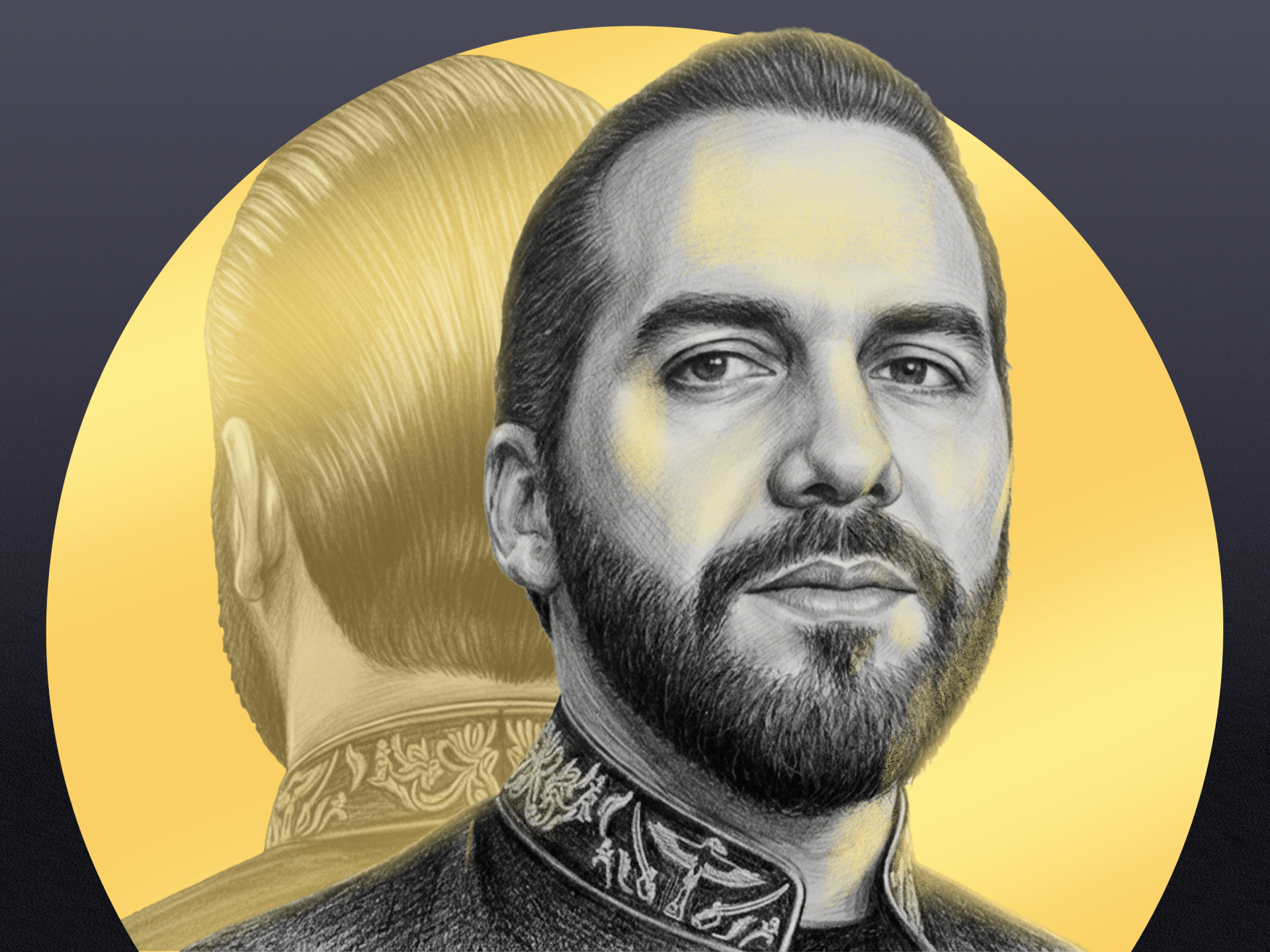
El Salvador’s President Nayib Bukele has implemented a state of emergency to address gang violence, which has resulted in the country’s highest imprisonment rate and suspension of constitutional rights. On March 25, 2022, hundreds of cellphones received a text message instructing Mara Salvatrucha (MS-13) members to carry out a rampage, resulting in 62 deaths on Saturday and 87 by Sunday.
The government responded swiftly, with parliament granting Bukele’s request for a state of emergency. Suspected gang members, including children, were detained indefinitely. Soldiers and law enforcement personnel manned checkpoints, stopping buses and inspecting male passengers for gang tattoos. Over 10,000 alleged gang affiliates were rounded up in two weeks.
By 2026, approximately 1.9 percent of the population was being held in confinement, surpassing the world’s highest imprisonment rate. A legal study suggested that mass arrests may have led to crimes against humanity. Bukele acknowledged that thousands of innocent civilians had been caught in the dragnet.
The state of emergency has entered its fourth year. An opinion poll in January showed Bukele’s approval rating at 92 percent. Many Salvadorans feel safer, with some attributing this change to Bukele’s efforts. A businessman stated, “We go to church each week to thank God for the liberty we have now.”
Bukele’s popularity extends beyond El Salvador, with citizens in Latin America seeking similar leaders who can address lawlessness. However, concerns have been raised about journalists and civil society members being arrested, forced into exile, or intimidated by Bukele’s government.
The president has abolished presidential term limits, allowing him to be re-elected multiple times. Critics accuse him of tyranny, while supporters praise his efforts to reduce crime. Bukele presents a polished public persona, often using social media platforms to engage with the public.
A high-profile lawyer described Bukele as “not a sensible guy who studies, reads, prepares, or is interested in understanding the country’s problems and finding solutions.”
Source: Al Jazeera