Energy Prices May Take Months to Normalize After Ceasefire
April 10, 2026 • Al Jazeera
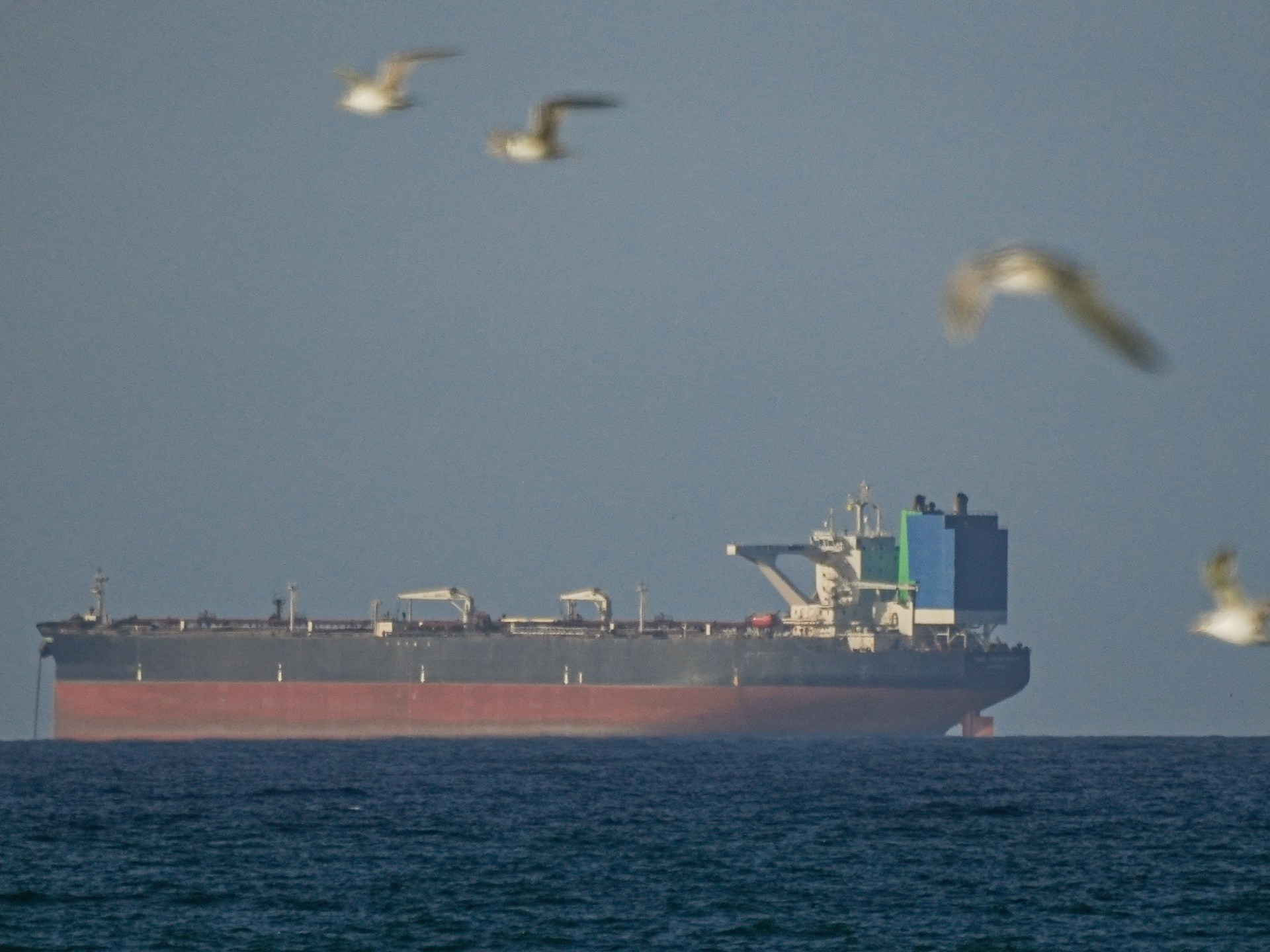
Strait of Hormuz Closure Continues to Disrupt Global Oil Markets
A fragile ceasefire between Iran, the United States, and Israel has been announced, but experts say it will be a long time before oil and gas prices return to pre-war levels. The Strait of Hormuz, a narrow channel linking the Gulf to the Gulf of Oman, was closed by Iran in response to US-Israeli attacks, disrupting the flow of approximately 20% of the world’s oil and gas exports.
The closure has led to soaring prices of energy and its byproducts, including helium used in various products such as tiles and semiconductor equipment. Fertilizers that rely on these inputs have also been affected, impacting sowing seasons and affecting consumers worldwide, particularly in developing countries of Asia and Africa.
Experts say that a predictable and stable flow of cargo through the strait is necessary for markets to stabilize. “It’s too early to tell when we return to normal,” said Rockford Weitz, professor of practice in maritime studies at The Fletcher School at Tufts University. Before this conflict, approximately 120-140 ships passed through the Strait of Hormuz every day.
The current closure has resulted in a significant decrease in vessel traffic, with only five vessels crossing the strait on Wednesday and seven on Thursday. Weitz noted that it will take time for markets to stabilize due to the complexity of the situation, requiring collaboration among great powers and regional powers.
Some experts also raise concerns about potential toll fees charged by Iran to allow ships to pass through the strait, which could further increase oil prices. However, Weitz stated that these fees are unlikely to be a significant contributor to rising oil prices. The reopening of the strait has shown signs of strain just hours after the ceasefire was announced, and some countries have shut down production due to limited storage capacity.
International Monetary Fund managing director Kristalina Georgieva warned that the fund will downgrade its forecast for the world economy next week from 3.3% to a slower growth rate. The war has had a significant impact on most economies, but it appears to have benefited Russia and China.
Source: Al Jazeera