Fuel price hikes in Yemen exacerbate economic hardship and transportation costs
May 9, 2026 • Al Jazeera
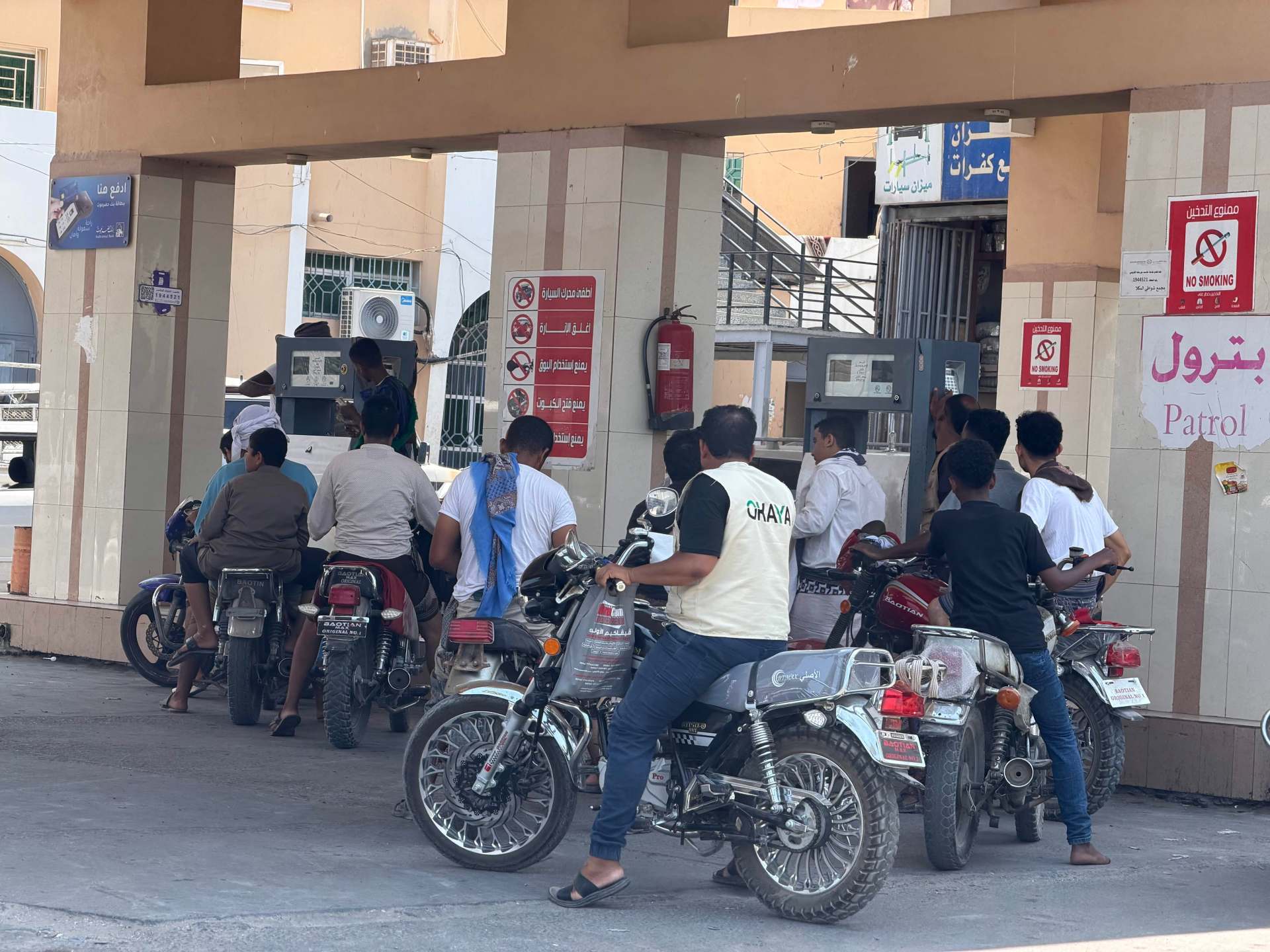
Fuel Price Hikes in Yemen Raise Fares for Drivers, Strain Passengers’ Finances
In Mukalla, Yemen, drivers have increased fares by 100 Yemeni riyals ($0.06) due to rising fuel costs, affecting passengers who struggle with worsening financial burdens. Abdullah Salem, a 55-year-old driver, reported that passengers reacted negatively to the fare increase, stating it was not his decision but rather the government’s responsibility.
The Yemen Petroleum Company (YPC), which controls fuel distribution in areas under its administration, has announced a new round of fuel price hikes. The company raised petrol and diesel prices to 1,475 Yemeni riyals ($0.98) per litre, up from 1,190 ($0.79), representing a 24 percent increase. The YPC attributed the hike to regional tensions, including the Iran war, disruptions to shipping through the Strait of Hormuz, and increased transport costs.
In a statement, the company assured that the price increase would be temporary and prices would return to previous levels once regional hostilities subsided. However, the company has defended the fuel hikes despite occasional decreases in global oil prices.
Millions of Yemenis face financial hardship due to long working hours and struggling to make ends meet. Abdullah Salem, who transports students and general public, reported that he barely earns enough to cover fuel costs and support his extended family. To cope with rising costs, he has increased fares for students by 3,000 riyals ($2) and raised afternoon trip fares by 100 riyals ($0.06).
Economists warn that the latest fuel hikes are likely to push up costs across several sectors, including food. Mustafa Nasr, head of the Studies and Economic Media Center, stated that Yemen imports fuel from international markets and some fuel produced from local oilfields is also sold on the domestic market.
The company’s decision has sparked concerns about potential shortages of petroleum products and repercussions across multiple sectors.
Source: Al Jazeera