Fuel Rationing and Remote Work Strategies Considered to Ease Oil Shortages
March 16, 2026 • Al Jazeera
Global Energy Markets Feel Disruption from US-Israel War on Iran
The ongoing conflict between the US and Israel in Iran has led to a significant increase in oil prices, prompting countries to reassess their energy policies. The Strait of Hormuz, a key shipping lane that supplies one-fifth of the world’s oil, has been severely impacted by Tehran’s retaliatory measures against the US-Israeli attacks.
As a result, major oil-importing nations such as Bangladesh and Thailand are exploring alternative sources of crude oil to mitigate the effects on their fuel supplies. India has resumed buying Russian oil after halting imports from its old ally due to US sanctions against Moscow’s biggest oil producers.
Analysts note that these short-term measures may not provide long-term energy stability, given the Middle East’s continued dominance as a major oil and gas supplier. Energy expert Tatiana Mitrova suggests that Russian oil can serve as a temporary buffer, but its usefulness depends on two uncertain conditions: availability and discount rates.
Mitrova warns that logistical and refinery constraints limit the amount of Russian oil that can be redirected quickly. She also notes that China’s increased demand for Russian oil could narrow discounts and push prices closer to global benchmarks if disruptions continue.
Analyst Abhi Rajendran emphasizes that the current disruption is larger than past shocks, and the volume of oil and gas flowing from the Middle East cannot be quickly replaced. He highlights the need for months to ramp up production by major oil and gas exporters such as the US and Norway, and notes that inventory releases can only partially bridge the gap.
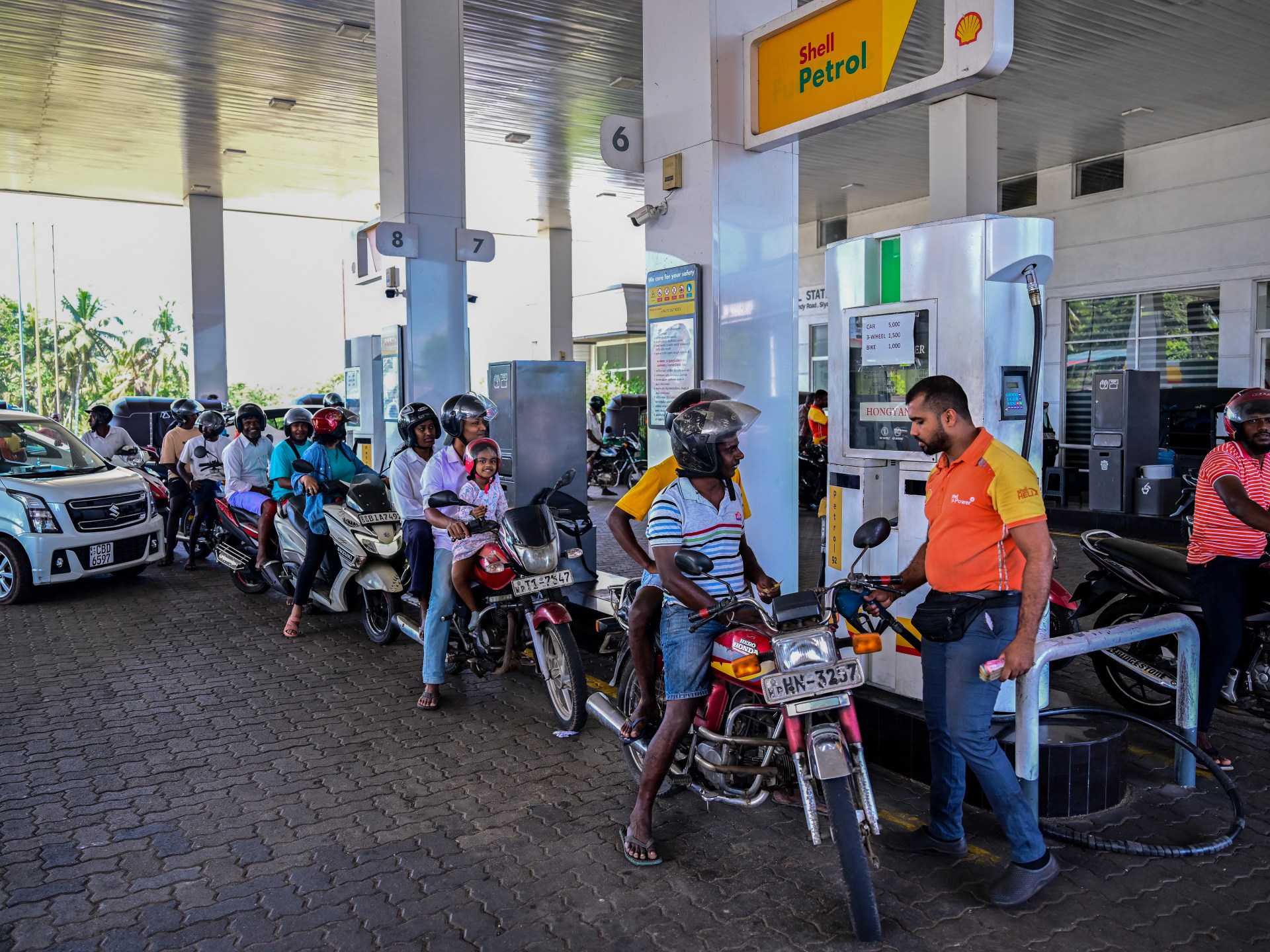
Many governments are implementing fuel rationing measures to cope with the situation. For example, Sri Lanka has introduced a QR code-based system to regulate petrol and diesel distribution amid supply pressures. The scheme requires vehicle owners to present a unique QR code obtained after registering their vehicles online before buying fuel.
Source: Al Jazeera