Gaza Food Prices Skyrocket Amid Deepening Border Closures and Iran Conflict
March 10, 2026 • Al Jazeera
Gaza Residents Rush to Markets Amid Fears of Food Shortages
Families in Gaza are stocking up on essential goods as prices surge due to the ongoing regional conflict involving the United States, Israel, and Iran. The situation has worsened since February 28, when Israel closed Gaza’s borders, halting humanitarian access and disrupting the movement of patients in need of medical evacuation.
According to reports from Gaza City, shoppers are buying whatever food they can afford as prices have jumped significantly in a matter of days. Some staples, including tomatoes, cucumbers, and potatoes, have become scarce or disappeared altogether. The cost of fresh produce has increased dramatically, with a kilogram of tomatoes that previously sold for $1.50 now selling for around $4.
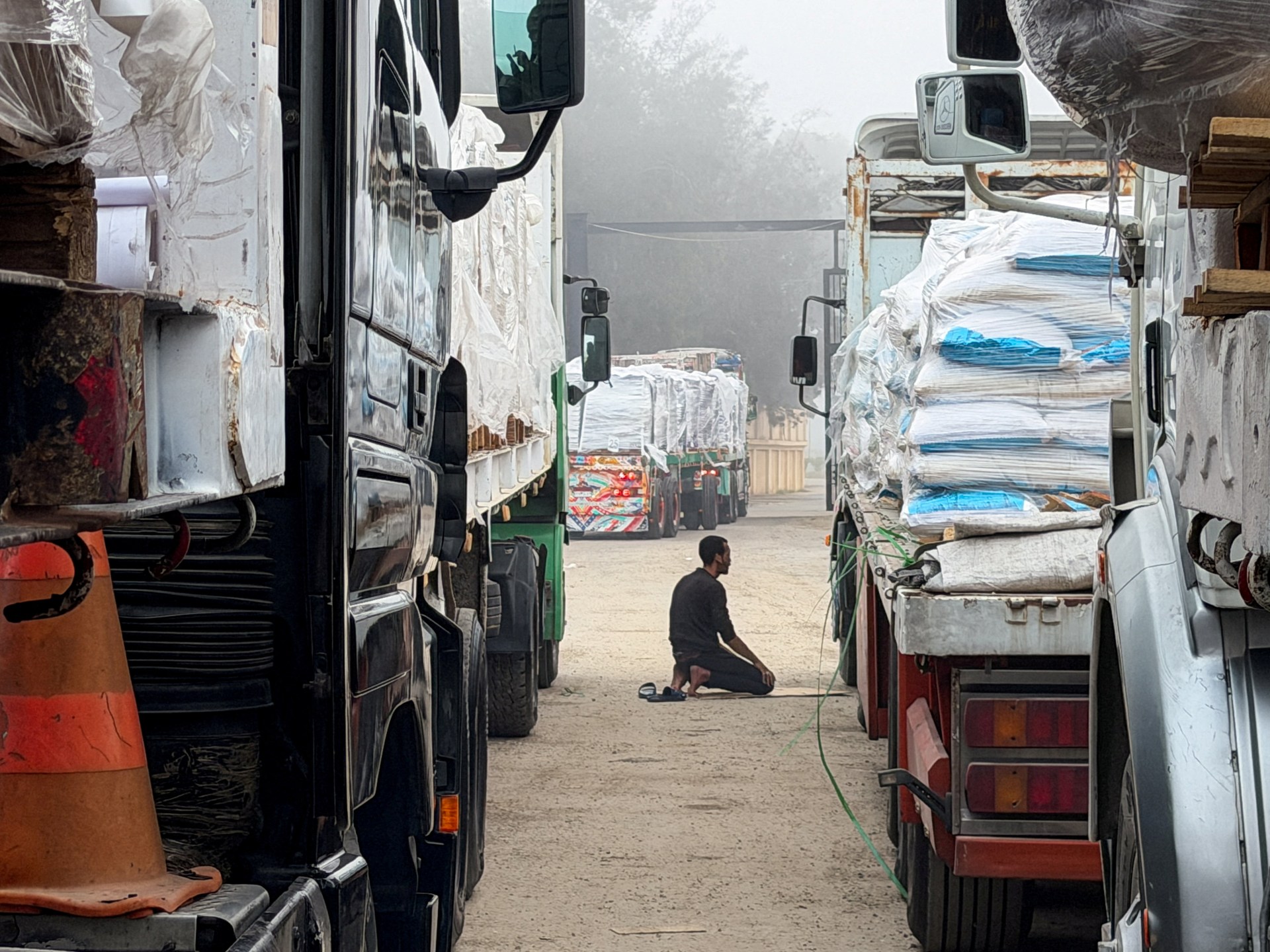
The closure of Gaza’s borders has resulted in limited access to food, fuel, medicine, and other basic goods, which enter the territory by truck. As a result, aid agencies are reporting low volumes of truck entries, with only about 200 trucks per day entering the territory compared to roughly 600 needed daily to support the population.
The World Health Organization has reported that approximately 18,000 people, including wounded children and patients with chronic illnesses, are still waiting to be evacuated. The United Nations humanitarian office, OCHA, has stated that the closure of crossings has increased prices across Gaza, with many items selling out within days.
Traders, business owners, and shoppers describe a pattern of fewer goods entering, faster sellouts, and rising prices across the board. Essentials such as cooking oil, flour, and some canned foods have largely vanished from shelves in parts of Gaza City. The World Food Programme has reported sharp food price increases due to the border closures, despite some crossings reopening.
Aid agencies are also reporting disruptions to fuel supplies, with limited reserves being rationed, and humanitarian partners suspending vehicle-based solid waste collection and reducing water production. Contingency measures have been activated across hospitals and primary healthcare centers.
Source: Al Jazeera