Gazas Reality Six Months Into Ceasefire Remains Uncertain and Volatile
April 10, 2026 • Al Jazeera
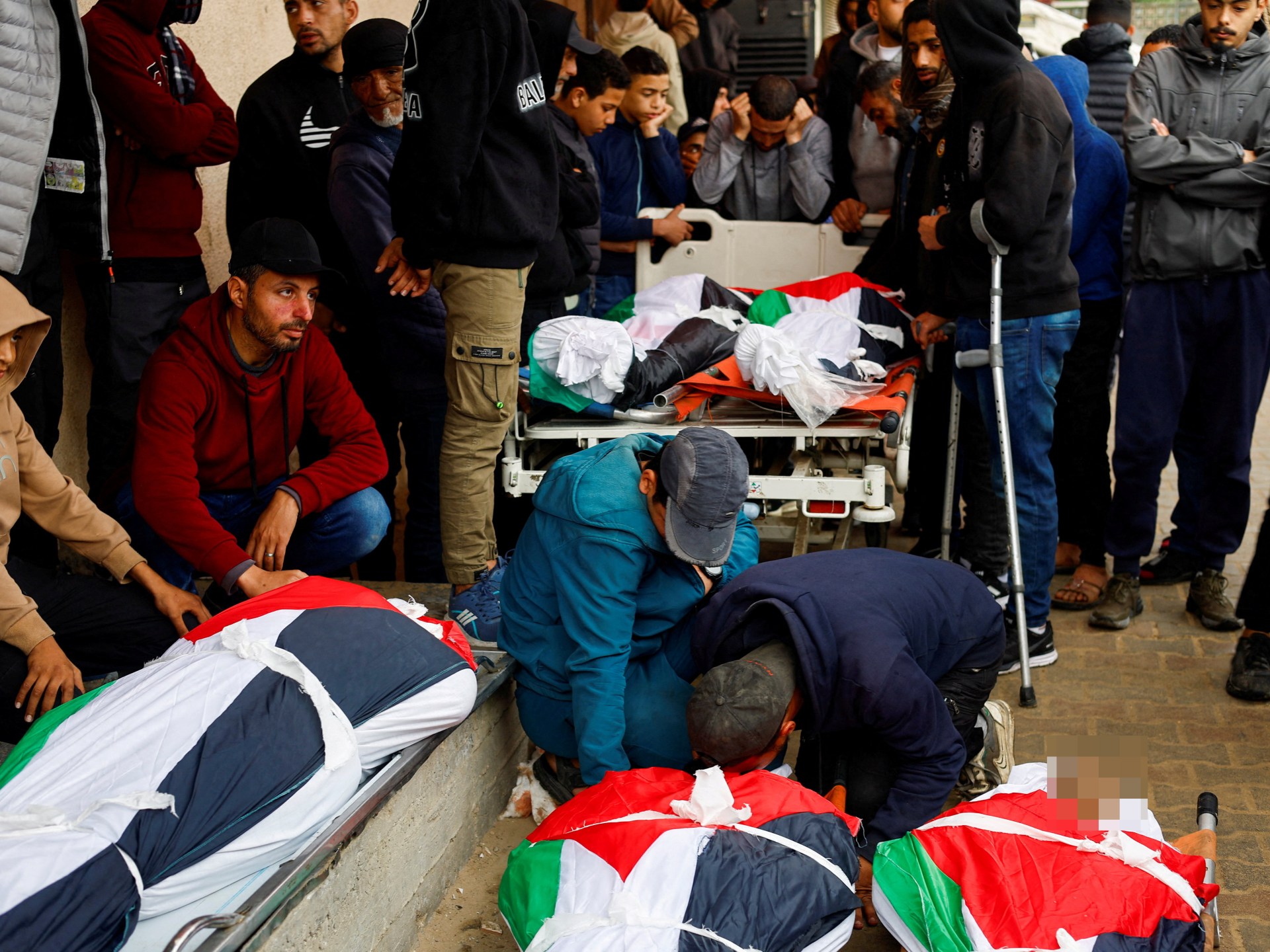
Gaza Strip Sees Continued Instability Six Months After Ceasefire Agreement
A ceasefire agreement signed on October 10, 2025, between Israel and Hamas has not yielded significant improvements in humanitarian or security conditions for Palestinian civilians in the Gaza Strip. The agreement, brokered internationally after a two-year devastating war, aimed to bring an end to the conflict and initiate a recovery phase for Gaza’s population.
The agreement stipulated an immediate and comprehensive ceasefire, including the cessation of all ground and air military operations, alongside a gradual withdrawal of Israeli forces from within the Strip. It also included expanded humanitarian arrangements, such as the regular opening of border crossings and improved entry of aid.
However, six months later, reports from international organizations indicate that these commitments have not been fulfilled. No full ceasefire has been achieved, no comprehensive withdrawal has taken place, and aid has remained below agreed-upon levels. Border crossings continue to operate intermittently under shifting security and political conditions.
According to data from the Gaza Government Media Office, there have been over 2,073 reported violations of the ceasefire between October 2025 and March 2026, resulting in Palestinian deaths and injuries. The Ministry of Health reports that the total death toll since the start of the ceasefire has exceeded 700 Palestinians.
The lack of an effective enforcement or monitoring mechanism has contributed to the ongoing instability. While there has been a relative improvement in the entry of food aid into Gaza, it remains limited, fragile, and insufficient to meet accumulated humanitarian needs. The situation in the Gaza Strip continues to be marked by fluctuating calm and recurring escalation, with no tangible improvement in humanitarian or security conditions for Palestinian civilians.
Source: Al Jazeera