Global Confidence in Strait Reopening Uncertain After Recent Developments
May 31, 2026 • Al Jazeera
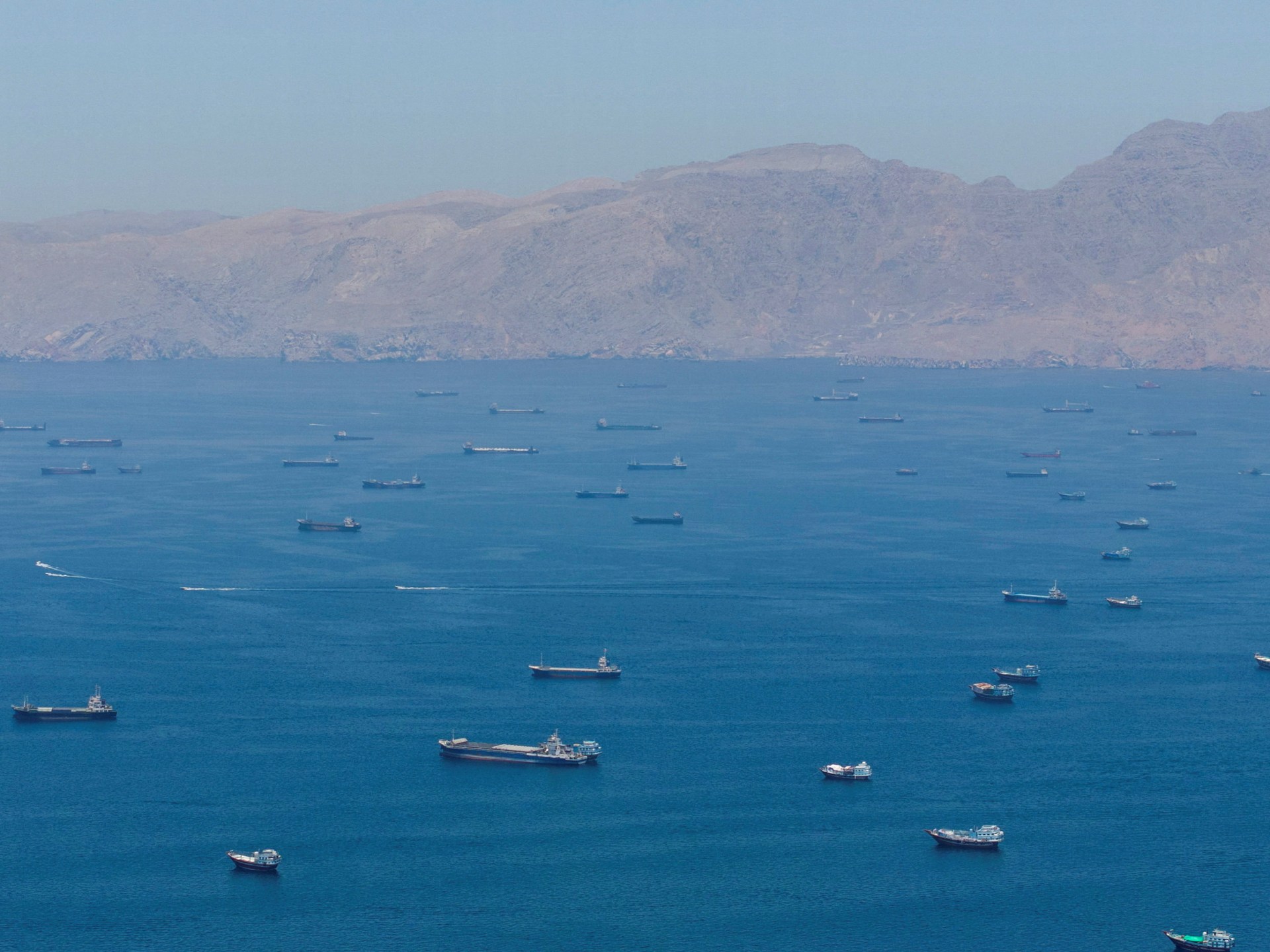
Strait of Hormuz Crisis Enters New Phase with Conditional Access
A deal to reopen the Strait of Hormuz has been reportedly negotiated by US President Donald Trump, which may temporarily calm markets. However, the deeper significance of the current crisis lies in who has the power to condition access to strategic trade routes.
The terms of any agreement are likely to evolve, and diplomatic arrangements may still be delayed or contested. The broader pattern is emerging: Strategic trade routes are becoming more politically managed, commercially exposed, and geopolitically contested.
Iran’s plans for an authority to manage the Strait of Hormuz and exert greater influence over routing decisions and transit tolls indicate a desire to convert temporary leverage into a permanent role in managing the waterway. This shift from disruption to governance is crucial, as it relates not only to access but also to who sets the rules, prices the risks, controls exceptions, and decides when normal commerce becomes conditional.
This issue extends beyond the Gulf region, affecting states that depend heavily on maritime trade. Commercial access is now shaped by geopolitical leverage, sanctions pressure, naval power, and crisis diplomacy. Asia remains central to this calculation, with countries such as China, India, Japan, and South Korea being key end-users of Gulf energy.
The emerging pattern suggests a world where commerce resumes under temporary political conditions that must be repeatedly renegotiated. This has significant implications for modern trade, which depends on predictability, insurance, legal clarity, naval confidence, and the belief in the viability of current routes.
While de-escalation may reduce the danger of immediate conflict, normalisation restores confidence. However, successful crisis management may leave behind a less reliable commercial order. Markets must be aware of this distinction, as an agreement’s announcement does not necessarily mean the underlying risk has disappeared. The process has consequences beyond oil, affecting refiners, manufacturers, insurers, shipping firms, banks, and traders.
Source: Al Jazeera